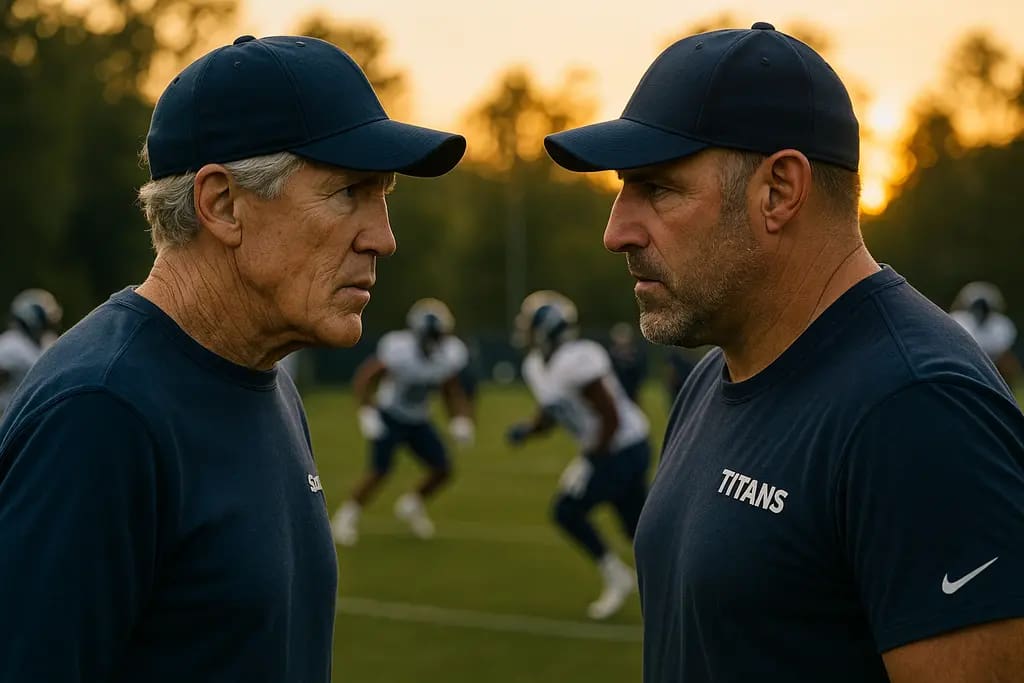
Joint Practice Impact is a useful lens for the Seattle Seahawks and Tennessee Titans because one shared training session can reveal how leaders teach, evaluate, and manage preparation before a preseason game. The official schedule sets the Seahawks-Titans joint practice for August 21, 2026, in Nashville, ahead of their August 23 preseason game at 5 p.m. PT, according to the Seahawks announcement. That timing matters: it gives both staffs a controlled comparison against another NFL roster before game conditions arrive two days later.
For a leadership category, the value is not just football technique. Joint work tests planning discipline. Coaches must decide which periods are competitive, which players need matchup exposure, and how much contact is worth the risk. Players must process different calls, tempos, and body types without the emotional release of a full game. For community sports leaders, the same idea applies at a smaller scale: shared practices between clubs or schools can improve learning when expectations, supervision, and safety rules are clear before anyone steps on the field.
Joint Practice Impact And Leadership Signals
What Joint Practice Impact Can And Cannot Show
Joint Practice Impact should not be treated like a preseason standings result. There is no official score that captures whether a young lineman handled a specific protection call, whether a receiver adjusted correctly against unfamiliar coverage, or whether a defensive group communicated cleanly after motion. The value is in repeatable evidence collected by coaches. A joint setting gives staff members a different opponent without requiring a full game workload.
That evidence has limits. Public reports rarely show the complete practice script, the number of first-team snaps, or the staff’s internal grading standards. A strong practice clip can mislead if it comes against a reserve group or during a period designed for one side to test a concept. A poor rep can be useful if it identifies a teachable mistake early enough to correct before the regular season. The cautious reading is that joint practices are diagnostic tools, not final judgments.
Leadership Under Controlled Pressure
Leadership shows in how teams set the day’s boundaries. The Seahawks have recent experience with this format, including joint work with the Titans in Nashville in 2024 and with the Packers in Green Bay in 2025. That history suggests the club is not treating the 2026 trip as an isolated experiment. It is part of a repeated preseason method that places players against unfamiliar schemes before game day.
For Tennessee, the 2026 camp plan has a wider pattern. The Titans list joint practices with the 49ers on August 11 in Santa Clara, with the Seahawks on August 21 in Nashville, and with the Bears on August 27 in Nashville, according to the Titans camp dates. Three separate opponents create more comparison points, but they also require staff control over workload and recovery. The leadership question is whether the practice benefits are being matched with clear limits.
Schedule Facts And Competitive Context
Training Camp Timing
The reported Seahawks camp dates place rookies in first, on July 17, 2026, and veterans later, on July 24, 2026. That staggered calendar is standard in purpose even if every club’s exact reporting rules vary by year: new players need earlier orientation, and returning players enter closer to the full-team phase. By August 21, rookies have had more than a month in the building, while veterans have had several weeks to absorb installation work.
This timing shapes Joint Practice Impact because the session comes late enough to test installed concepts, but early enough that the preseason game can still serve as a follow-up checkpoint. If a player struggles with communication during the joint practice, the staff can decide whether to revisit the issue in meetings, repeat it in walk-through work, or watch for correction during the August 23 game.
| Event | Date | Location Or Broadcast Detail |
|---|---|---|
| Seahawks rookies report | July 17, 2026 | Training camp phase begins for rookies |
| Seahawks veterans report | July 24, 2026 | Fuller roster preparation window opens |
| Seahawks-Titans joint practice | August 21, 2026 | Nashville |
| Seahawks at Titans preseason game | August 23, 2026 | 5 p.m. PT, national FOX broadcast |
Why Two Days Between Practice And Game Matters
A two-day gap gives coaches a compact feedback cycle. Friday’s joint work can expose matchup issues, Saturday can be used for correction and game preparation, and Sunday can confirm whether the teaching carried over under broadcast-game conditions. That does not mean every player evaluation will change. It does mean that coaches have one more data point before roster decisions become more difficult.
For player leaders, the same short cycle tests accountability. Veterans often set the tone by how they respond after a difficult period. Younger players learn whether corrections are treated as personal criticism or as normal professional work. Those culture cues are hard to measure publicly, but they are central to how teams use preseason.
Player Development Under Shared Conditions
Scheme Exposure Without A Regular-Season Cost
The most direct development benefit is scheme exposure. Seattle players will see Tennessee’s calls, alignments, and practice tempo rather than only facing their own teammates. Tennessee players receive the same benefit from Seattle. That exchange is not a substitute for regular-season competition, but it can help coaches identify whether a technique works against a different body type or tactical answer.
Joint Practice Impact is strongest when the staff knows what it is measuring. A pass rusher might be evaluated on get-off, hand placement, or rush-lane discipline. A quarterback might be judged on protection communication more than completion percentage. A defensive back might be reviewed for leverage and eye discipline rather than whether one contested throw was caught. The shared opponent makes those tests more realistic than an intra-squad period.
Workload And Injury Caution
The research notes that controlled practice settings can help teams manage workloads compared with full-contact games. That claim should be framed carefully. Public information for this specific Seahawks-Titans session does not quantify injury reduction, and no outside injury forecast should be inferred. What can be said is narrower: coaches can script periods, stop drills, restrict contact, and remove players more easily in practice than during a live game.
Community sports programs can learn from that distinction. Joint sessions are useful only when supervision is active. If a shared practice becomes a series of uncontrolled one-on-one contests, the leadership benefit fades. Clear rules on contact, rest periods, hydration breaks, and coach authority are not side details; they are the structure that makes competition productive.
Fan And Community Sports Planning
Access, Expectations, And Local Value
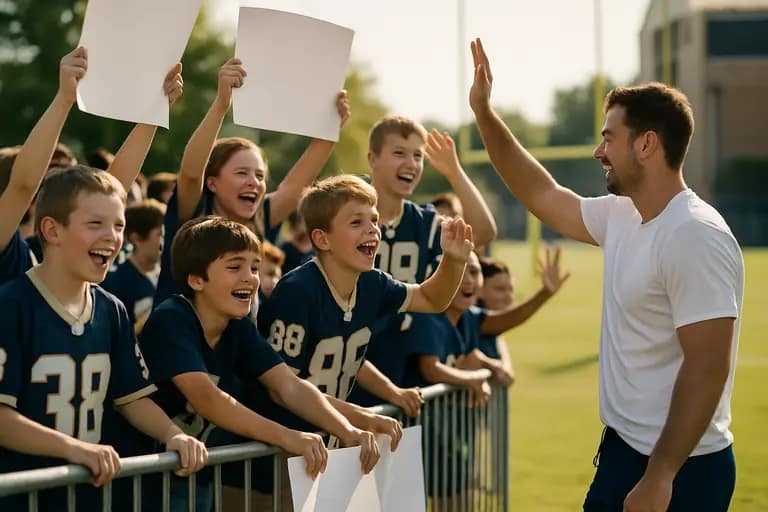
Joint practices can create fan interest because they offer a closer view of preparation than many preseason games. The research notes fan engagement as one benefit, but it does not provide public attendance figures or access rules for the August 21 session. That uncertainty matters for planning. Fans should rely on official team and venue communication before making travel plans, especially if seating, entry, or autograph access is limited.
From a community sports development view, the lesson is to connect elite events with local participation. Youth coaches, school athletic directors, and recreation leaders can use a high-profile NFL practice week to discuss shared training days, coach education, and safer competition formats. A related site in the same network can also help local organizers compare how different programs turn attention into participation.
A Practical Planning Tool For Local Leaders
Joint Practice Impact becomes easier to evaluate when leaders write down what they expect before the event. The same tool can work for NFL observers, high school programs, and community clubs. Keep the checklist short enough for coaches to use while practice is active:
- Purpose: identify whether the session is for player evaluation, tactical preparation, coach education, or fan engagement.
- Controls: define contact limits, rest windows, medical coverage, and who can stop a drill.
- Evidence: record the specific behaviors being reviewed, such as communication, spacing, technique, or response to correction.
- Follow-up: set one meeting or training block where lessons from the shared session are applied.
This avoids the common mistake of treating a joint session as valuable simply because two teams share a field. The value comes from the quality of the design and the discipline of the review afterward.
Seahawks-Titans Practice Planning Lessons
What Leaders Should Watch On August 21
For the Seahawks and Titans, the August 21 practice is best read as a leadership and development checkpoint. The official dates establish the frame: Seattle’s camp opens to rookies in mid-July, veterans follow a week later, and the Nashville practice arrives two days before the preseason meeting. Tennessee’s broader schedule shows multiple joint sessions across August, giving its staff repeated chances to compare players against outside opponents.
The practical takeaway is measured, not dramatic. Joint Practice Impact depends on how well coaches define the work, protect the players, and turn observations into better preparation. Fans may see intensity. Staffs will be looking for cleaner communication, sharper technique, and evidence that teaching is holding up against a different opponent. For community sports leaders, that is the transferable model: shared competition is useful when it is planned, observed, and followed by action.