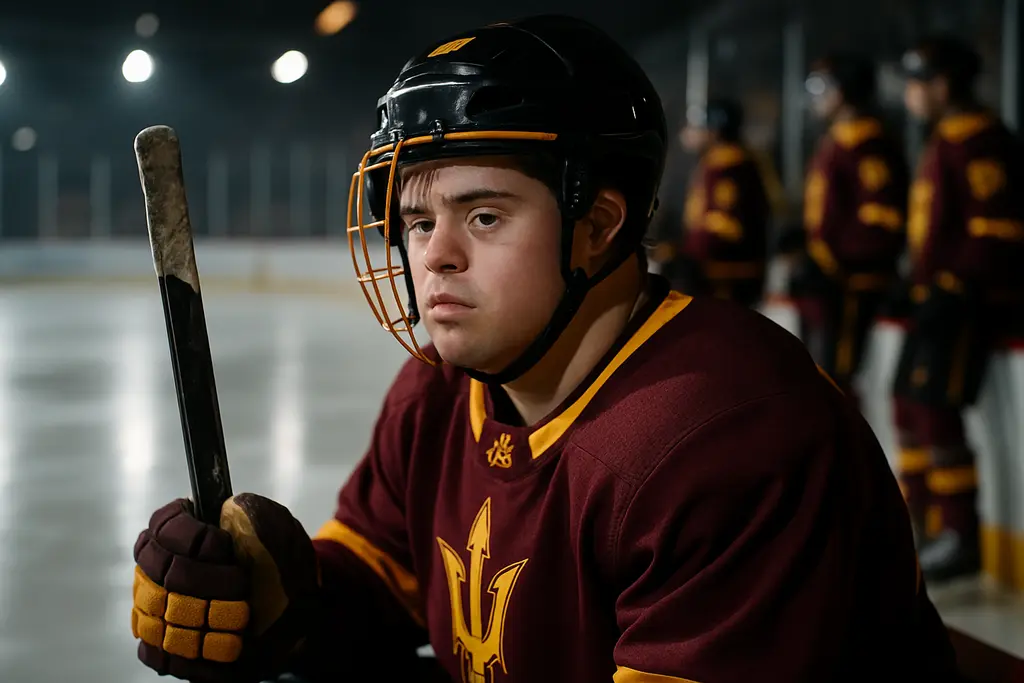
ASU Hockey Development under Mike Corbett is not a clean coaching case study. It began under pressure, after Greg Powers was placed on paid administrative leave on September 30, 2026, and Corbett was announced to lead Arizona State for the October 2-3, 2026 season-opening series at Lindenwood, according to Arizona Sports. As of October 7, 2026, that opening weekend had already passed, so the useful question is not how ASU might start, but what kind of development environment Corbett can steady after a disrupted week.
The available record supports a cautious assessment. Corbett has a long college hockey background, but the immediate assignment at Arizona State involves more than practice plans and line combinations. It includes player welfare, trust, communication, and a young roster that needs repeatable habits. For community sports leaders, the ASU case is a reminder that development is not only a technical process. It also depends on whether athletes believe the system hears them, protects them, and gives them a clear path to improve.
A Narrow Window For ASU Hockey Development
Corbett’s first challenge was timing. A leadership change days before a season opener gives a staff limited room to install new routines. In that setting, the most realistic development goal is stability: clear practice standards, consistent feedback, and enough emotional order for players to focus on hockey. Big tactical shifts are less likely to matter than simple, repeatable coaching language.
Why ASU Hockey Development Starts With Safety
The context matters because the administrative leave followed the hospitalization of Matthew Mayich, as reported by Arizona Sports. The research notes also describe university safety reviews and questions around training oversight. Without verified results from those reviews in the provided material, it would be premature to assign findings. What can be said is narrower: any interim development plan should treat safety governance as part of performance, not as a separate compliance task.
That means the head coach or acting lead must know who designs workouts, who supervises them, how athletes can raise concerns, and how changes are documented. In youth and community sport, the same principle applies at a smaller scale. A club may not have a full athletic performance department, but it can still write down heat policies, hydration breaks, emergency steps, and reporting channels. Player development weakens when those systems are informal.
Roster Turnover Requires Fewer Promises
The research notes point to substantial roster turnover, including a young incoming group and major movement on defense. Because the approved source set for this article does not include a roster database or official 2026-27 roster page, this analysis should stay careful rather than numerical. The development implication is still clear: a less settled team needs a smaller teaching menu.
For defensemen and underclassmen, that usually means core habits: retrieval routes, first-pass decisions, net-front positioning, bench communication, and special-teams responsibilities. Corbett’s task is to avoid asking a rebuilding group to process too much at once. A coach can demand pace and accountability while still sequencing instruction in a way that protects learning.
Corbett’s Resume And The Teaching Problem
Corbett is not new to college hockey. Arizona State’s athletics staff profile says he joined ASU as an assistant coach on July 8, 2024, after serving as head coach at Alabama-Huntsville from 2013 to 2020 and working at Quinnipiac, Robert Morris, and Air Force; the same profile credits him with recruiting and coaching decorated college players and being part of Quinnipiac’s 2023 national championship staff at Sun Devil Athletics.
That background is relevant, but experience does not remove the hard part of interim leadership. A player development system needs trust before it can produce sharper habits. If athletes are unsure who is making decisions, or whether their feedback is safe to give, coaching messages can become noise. This is especially true for younger players who are still learning how college hockey practice, academics, travel, and roster competition fit together.
What His Background Can Support
Corbett’s past roles suggest familiarity with different program models: established programs, resource-constrained settings, and elite tournament-level expectations. That range can help if he uses it to simplify. The strongest interim approach would likely include short teaching blocks, defined individual meetings, and position-group standards that do not change week to week.
For example, a defense group with limited continuity should know how coaches grade exits, gap control, and defensive-zone stops. For forwards, coaches should define forecheck reads, back-pressure expectations, and puck support. For goalies, the staff should align workload, recovery, and communication with the wider team plan. None of these points require public drama or motivational slogans. They require documentation and repetition.
Where Inclusion Fits The Rink
Inclusion in this case is not a slogan. It means athletes have credible ways to speak about workload, safety, role clarity, and team standards without fearing that honest feedback will cost them opportunity. The research notes say athlete voice and transparency became central demands after the Mayich incident. Since the available official findings are not included here, the practical lesson is procedural: build channels before a crisis tests them.
A hockey program can do that through anonymous reporting options, scheduled player leadership meetings, written workout approval procedures, and separation between medical decisions and competitive selection. Community clubs can adapt the same ideas with parent liaisons, athlete check-ins, and board review of safety policies. The scale changes, but the principle is consistent: players develop better when feedback is not treated as disloyalty.
Practical Measures For Player Welfare
A cautious development plan under Corbett should connect welfare, instruction, and accountability. These are not competing priorities. If a player is unclear about recovery expectations, heat precautions, or who has authority over training loads, the team’s teaching environment is already unstable. If the staff records decisions and explains them, it reduces confusion for players and families.
- Define workout authority: name who writes sessions, who approves them, and who can stop them.
- Set athlete voice channels: use captain meetings, anonymous reporting, and documented follow-up.
- Limit early teaching volume: focus on the few habits most tied to safety, roles, and game readiness.
- Review young-player minutes carefully: explain what earns more responsibility and what triggers support.
- Publish policy changes when allowed: transparency helps rebuild confidence without asking players to rely on rumor.
This framework also has value beyond Arizona State. Community hockey organizers, high school athletic directors, and local club boards can treat the ASU situation as a planning prompt. For more insights into how various hockey programs address these development challenges, resources available at Dashers Hockey provide further coverage of regional hockey participation and related topics.
Lessons For Community Sports Inclusion
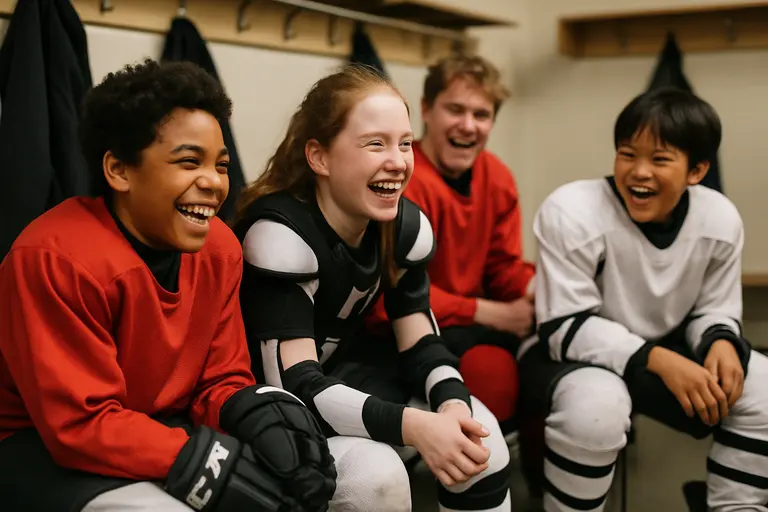
The ASU case is a high-profile college hockey matter, but the inclusion issues are familiar in local sport. Athletes often know when a workload feels unsafe, when instructions are unclear, or when team culture discourages speaking up. Yet many programs only ask for player input after something has gone wrong. That sequence is backwards.
Development systems should include athlete feedback as a standard operating practice. Coaches can still lead firmly. They can still set demanding standards. The difference is that standards are easier to defend when players know the reason for them, the process behind them, and the safe route for raising concerns.
For younger athletes, inclusion also means explaining roles without closing doors. A freshman or sophomore who sits one weekend should know the specific skill or habit that can move them forward. A defenseman adjusting to college pace should not receive only general criticism. Feedback should be observable: shoulder checks before retrievals, stick position in the slot, first stride after a turnover, or communication on switches. That level of clarity supports accountability without leaving players guessing.
ASU Hockey Development Under Corbett
The practical measure of ASU Hockey Development under Corbett will be whether Arizona State can pair competitive preparation with credible welfare systems. The record available on October 7, 2026, does not allow firm claims about long-term results, roster outcomes, or the final findings of safety reviews. It does support a narrower judgment: Corbett’s interim period should be evaluated by stability, transparency, and teaching quality as much as by wins and losses.
If ASU creates clearer workout oversight, protects athlete voice, and gives a young roster specific development targets, the program will have a better foundation after a difficult start. If those pieces remain unclear, technical coaching gains may not hold. For community sports advocates, that is the central lesson: development plans are strongest when safety, inclusion, and skill teaching are designed together from the start.