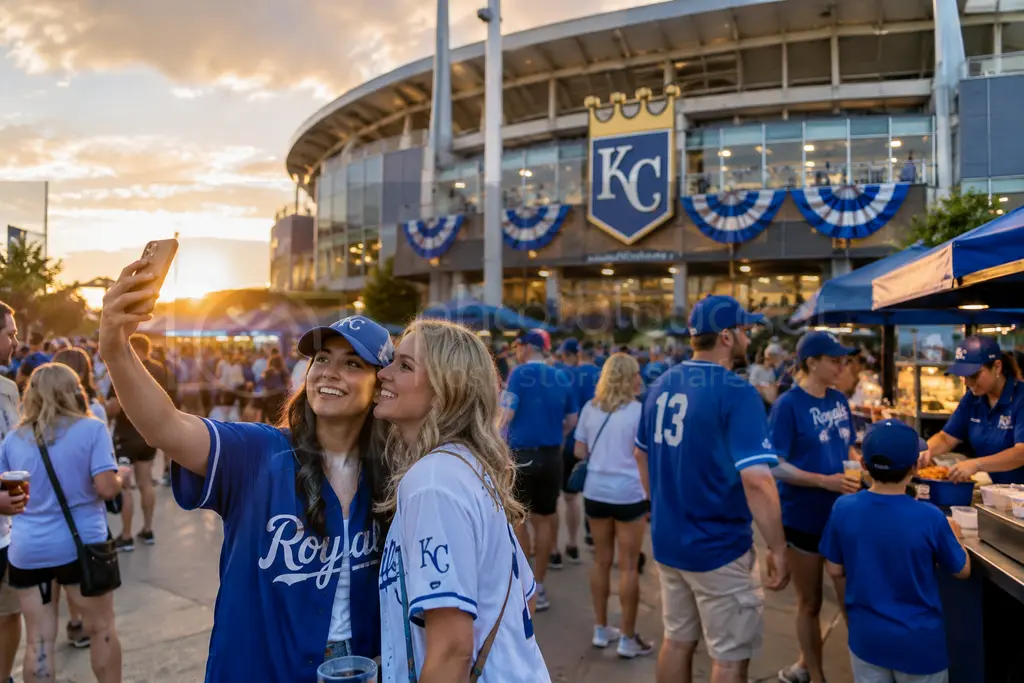
As of October 27, 2026, the Royals Ballpark Impact is still a projection, not a settled result. Kansas City had approved a framework for a new downtown home for the Royals, and the team’s plan with Hallmark Cards placed the ballpark inside the Crown Center district. For sports tourism and business development, the relevant question is not whether a new venue can attract attention. It can. The harder test is whether visitor spending, public costs, neighborhood access, and community benefits can be measured in a way residents can verify.
The proposal described by the Royals and Hallmark is a $3 billion mixed-use public-private partnership, with the ballpark anchoring downtown redevelopment around Crown Center, according to the Royals-Hallmark plan. That scale matters because the project is not just a baseball facility. It is a district strategy. Stadium-led districts can create new event calendars and foot traffic, but they can also shift spending from one local area to another unless the plan draws visitors who would not otherwise spend in Kansas City.
Royals Ballpark Impact And The Public Deal
The public finance structure sets the first benchmark. Kansas City committed $600 million to the stadium plan: $90 million toward infrastructure and $510 million through city-supported bonds. The City also negotiated a 30-year lease with the Royals at the downtown location, with five two-year extension options. Under the framework, Kansas City receives 5% of net profits from non-baseball events, and the Royals committed at least $55 million through a Community Impact Partnership, according to the official Kansas City framework.
Those details should keep the debate grounded. A 30-year lease can provide stability for tourism planning, hotel packaging, food service hiring, and district programming. The same long time frame also means weak reporting rules would be costly. If public repayment depends on district revenues, residents need clear annual reporting on bond payments, district tax collections, city service costs, event revenue, and community benefit spending.
What The $600 Million Commitment Requires
For Royals Ballpark Impact analysis, the city contribution should be treated as an investment with public performance tests, not as a branding expense. The $90 million infrastructure share has a direct community sports angle: streets, crossings, transit access, public space, and crowd movement affect more than MLB fans. If designed well, those assets can serve youth tournaments, school groups, amateur events, and non-baseball gatherings. If designed mainly for premium game-day access, the benefit narrows.
The $510 million in city-supported bonds requires a different test. Debt service can crowd out other priorities if revenues fall short, so annual disclosure should be easy to read and comparable over time. Residents should not have to search through technical files to learn whether the district is meeting projections.
Tourism Demand Beyond The 81 Home Dates
The Royals would bring 81 regular-season home dates to the downtown site each MLB season. The tourism case, though, depends heavily on the promised non-baseball calendar. Research materials cited hundreds of additional non-baseball events and forecasts of new visitors. Those claims are plausible as goals, but they are not outcomes yet. A cautious approach separates guaranteed baseball dates from concerts, civic events, conventions, watch parties, and youth sports events that still need booking, pricing, staffing, and transport plans.
Downtown placement changes the visitor pattern. At the Truman Sports Complex, many fans drive in and leave after the game. A Crown Center location could put visitors closer to restaurants, hotels, retail, and cultural sites. That proximity may raise same-day spending per visitor, especially for weekend series and regional trips. It may also create pressure on parking, curb space, and neighboring streets if transit and pedestrian systems are not strong enough.
Event Calendar Quality Matters
The difference between a sports tourism asset and an underused venue is the calendar. Kansas City should track how many non-baseball events are truly incremental, how many draw out-of-town visitors, and how many replace events that would have happened elsewhere in the city. A concert that moves from another Kansas City venue may help the ballpark operator without creating a net gain for the local economy.
For community sports advocates, the non-baseball calendar should include accessible dates for youth baseball, softball, adaptive sport events, coaching clinics, and school programming where feasible. That does not mean every public use must be free. It means the public should be able to see how often the publicly supported venue serves local participation goals, not only ticketed entertainment.
Business Development Tests For The District
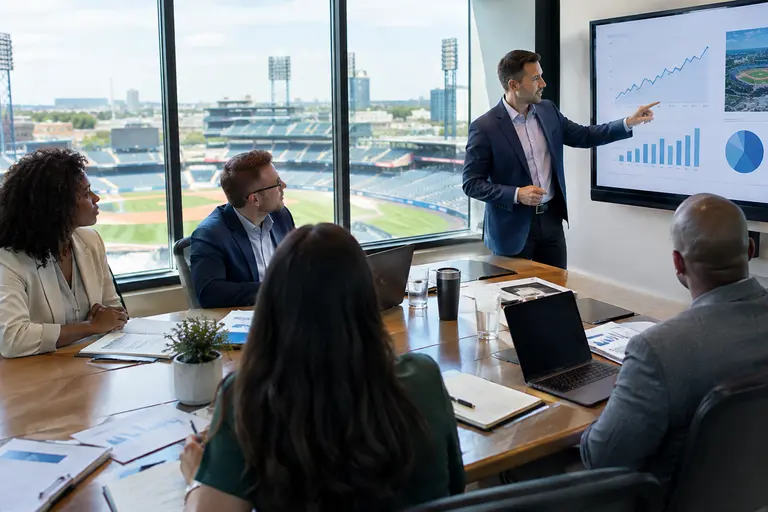
The Crown Center Baseball District is being presented as a business development plan as much as a stadium plan. That creates opportunity for hospitality firms, vendors, contractors, maintenance providers, security teams, food operators, and nearby retailers. Still, public value depends on who gets access to those opportunities. A stronger district plan would publish procurement goals, local vendor participation, lease affordability indicators, and the share of contracts awarded to small and local firms.
The city’s 5% share of net profits from non-baseball events gives Kansas City a direct interest in programming beyond MLB. Yet “net profits” can be sensitive to accounting definitions. The public framework should define allowable expenses, reporting frequency, audit rights, and dispute procedures. Without those details, revenue-sharing language can sound stronger than it performs.
Local Firms Need Clear Entry Points
Small businesses often lose out when large districts move quickly. The practical tool is a public opportunity calendar that lists vendor fairs, construction bid windows, licensing needs, insurance requirements, event staffing needs, and contact points. The same logic applies across sports sectors; readers comparing venue and recreation business models can find related coverage at a related site in the same network.
One useful comparison point is the local public-finance discussion around stadium spending. A related analysis of the Kansas City ballpark economic test focuses on jobs, firms, tourism, and safeguards. The same discipline applies here: count benefits only when there is evidence, and separate gross activity from net local gain.
Royals Ballpark Impact For Kansas City Operators
The best use of this debate is not a simple yes-or-no frame. The better question is whether Kansas City can build a measurement system before the stadium opens, not after disputes start. Sports tourism can support restaurants, hotels, transport services, and event workers. It can also miss neighborhoods if access, contracting, and public programming are not planned with care.
Royals Ballpark Impact Metrics To Track
Community sports groups, neighborhood leaders, and small firms should ask for a shared public dashboard with measures that are updated at least annually. The most useful indicators would include:
- Baseball attendance, non-baseball event count, and estimated out-of-town visitors by event type.
- City bond payments, district revenues, and the city’s 5% net-profit share from non-baseball events.
- Local and small-business contract awards during construction and operations.
- Use of Community Impact Partnership funds, including park activation, arts, area impact, and named upfront commitments.
- Transit ridership, pedestrian counts, parking pressure, and neighborhood service costs on event days.
- Public-use dates for youth, school, adaptive, and community sports programming.
The Royals Ballpark Impact should be judged by verified outcomes against those measures. A downtown stadium can strengthen Kansas City’s sports tourism offer, but the public return will depend on execution: transparent finance reports, fair access for local firms, realistic event projections, and community programming that reaches beyond the ticket gate.