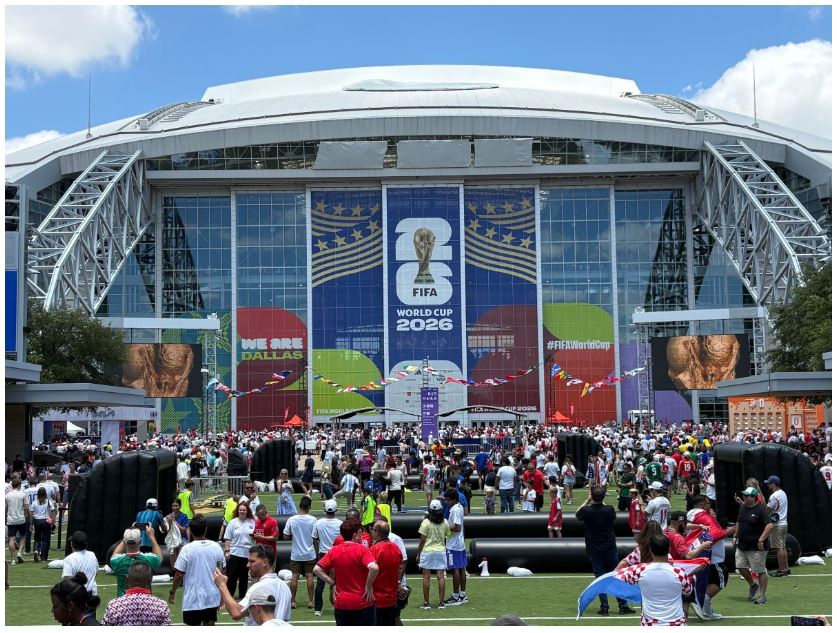
The 2026 FIFA World Cup formally concluded on July 19, 2026, leaving a legacy of expanded formats and record attendances. North America saw an unprecedented footprint with extended teams and venues.
For the first time, 48 national teams required elite-level staging areas. This focus on 2026 World Cup training facilities spurred the development and renovation of Team Base Camps. These camps spread across the United States, Mexico, and Canada.
From the Orange County Great Park in Irvine, California, to Columbia Park in Morristown, New Jersey, teams found modernized venues. The continent now hosts high-grade facilities for local youth programs and grassroots leagues.
The Post-Tournament Infrastructure Reality
Host committees and municipal governments secured base camp designations in 2024 and 2025. Moreover, the framing targeted taxpayers and communities alike. It promised lasting regional development benefits. Officials described the plan as a long-term investment.
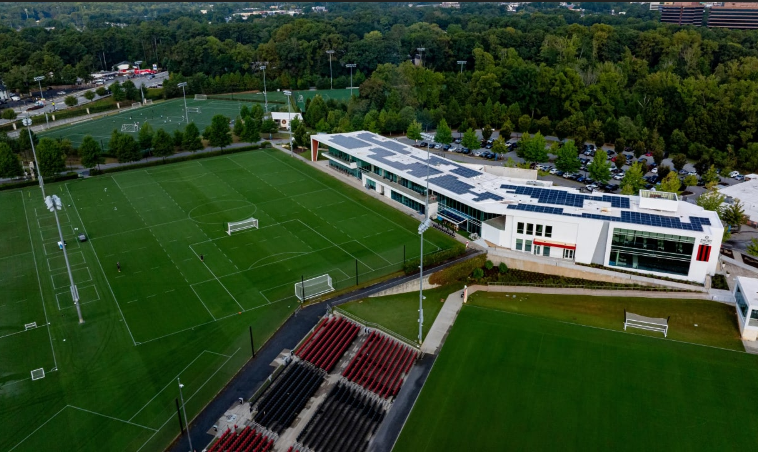
Facilities received millions of dollars in upgrades to meet FIFA’s exacting standards. Pitches were re-laid with hybrid grass systems, high-intensity broadcast lighting was installed, and locker rooms were transformed into state-of-the-art recovery centers. These changes modernized the venues and supported training at the 2026 World Cup training facilities throughout the event window. They also reflected a broader plan to maximize local use after the competition.
For instance, the KC Current Training Facility in Riverside, Missouri, hosted the Netherlands.
Additionally, the nearby Swope Soccer Village accommodated England.
In North Carolina, Germany took up residence at Wake Forest University’s W. Dennie Spry Soccer Stadium.
These sites now boast playing surfaces and amenities that rival the best professional clubs in Europe.
The tournament’s footprint was strategically dispersed.
As a result, it created localized pockets of elite infrastructure in cities that previously lacked such advanced civic amenities.
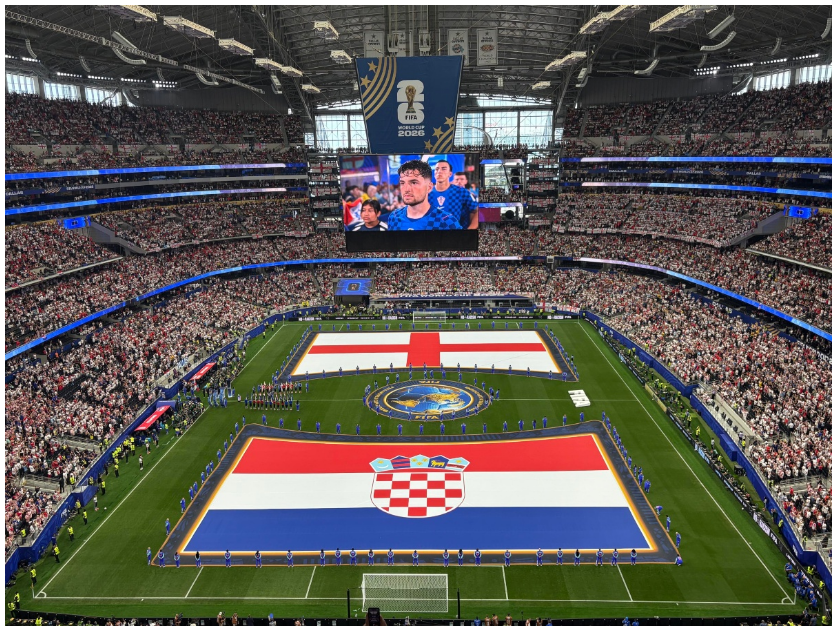
However, the post-tournament reality is complex. Once the international delegations departed in July 2026, the immediate challenge became operational jurisdiction. Many of these facilities sit on municipal land but are operated by private entities, universities, or professional franchises. The danger for local communities is that these upgraded pitches will be locked behind prohibitive rental fees or reserved exclusively for elite academy pipelines, effectively shutting out the recreational and underfunded youth programs that were promised a legacy benefit.
Securing Municipal Agreements for Youth Access
To prevent World Cup base camps from becoming stranded or heavily gated assets, community sports advocates must leverage the initial funding agreements that made these upgrades possible. In cases where public money or tax incentives were utilized to attract a national team, there is a strong legal and ethical mandate for public access. Municipalities must be held accountable for the civic promises made during the bidding process.
The strategy for securing access involves drafting comprehensive municipal use agreements. Local youth soccer leagues, municipal parks departments, and advocacy groups must form coalitions to negotiate dedicated field time. Rather than asking for blanket access, successful advocacy focuses on structured integration. This means reserving specific blocks of time—such as weekend mornings or early weekday evenings—for recreational play, while allowing the facility operators to rent the space for premium fees during peak adult league hours to generate revenue.
Organizations like the U.S. Soccer Foundation have long championed the idea that safe, high-quality playing spaces are essential for community health and youth development. By aligning local advocacy efforts with national health and wellness initiatives, community leaders can apply pressure on city councils and private operators to honor the spirit of the World Cup legacy. Data shows that providing children with access to well-maintained sports facilities directly correlates with higher community engagement and lower localized crime rates, providing advocates with powerful leverage points during negotiations.
Financial Models and Maintenance Realities
The most frequent argument against opening elite facilities to general community use is the cost of maintenance. FIFA-grade pitches require specialized care, including regular aeration, precise irrigation scheduling, and careful management of wear and tear. A municipal parks department accustomed to mowing public fields every two weeks is ill-equipped to maintain a hybrid grass surface that was engineered for the likes of the Brazilian or French national teams.
Therefore, a sustainable financial model is the cornerstone of any community access plan. Advocacy groups cannot simply demand free access; they must bring viable funding and maintenance solutions to the table to ensure the longevity of the playing surfaces.
| Facility Category | Primary World Cup Tenant | Community Access Strategy |
| University Stadiums (e.g., Wake Forest, Bentley Univ.) | Germany, France | Joint-use agreements tying community hours to university athletic department outreach requirements. |
| Municipal Parks (e.g., Orange County Great Park, Columbia Park) | USA, Brazil | Tiered rental structures where premium adult league fees subsidize free access for local youth nonprofits. |
| Pro Training Centers (e.g., Sporting KC, Atlanta United) | Argentina, Uzbekistan | Hosting localized coaching clinics and community days led by professional academy staff. |
Advocates should focus on securing diverse funding streams to offset these costs, ensuring that the financial burden does not fall entirely on cash-strapped local governments. The most effective strategies currently being deployed across host cities include the following operational models:
- Public-Private Partnerships (P3): Engaging local businesses and corporate sponsors to underwrite the maintenance of the facility in exchange for branding rights and signage during community events.
- Legacy Grants and Endowments: Aggressively applying for post-World Cup legacy funds distributed by FIFA, CONCACAF, and regional host committees specifically designed to support grassroots infrastructure and physical education programs.
Case Studies in Facility Transition
As we evaluate October 2026, several regions have shown how to transition 2026 World Cup training facilities into community assets.
Additionally, the New York and New Jersey region, which hosted the tournament final, established early frameworks for its base camps.
Facilities like Pingry School in Basking Ridge, which hosted Morocco, engaged with the NYNJ Host Committee.
Rutgers University, which hosted Senegal, partnered to ensure upgraded amenities benefited local student-athletes and regional youth tournaments in 2026.
Similarly, in Chattanooga, Tennessee, the Baylor School served as the base camp for Spain. Additionally, recognizing the historic nature of hosting a European powerhouse, local leaders formed a working group in 2025.
They planned upgrades for the 2026 World Cup training facilities.
By August 2026, they had already launched weekend community clinics. Utilizing the same pitches where the Spanish national team prepared for their group stage matches. This proactive approach bypassed the usual bureaucratic delays.
These successes did not happen organically. They required meticulous planning, transparent communication between facility directors and local soccer boards, and a shared commitment to the idea that elite infrastructure should serve a dual civic purpose.
Sustaining Grassroots Momentum Into the Next Decade
The physical infrastructure left behind by the 2026 World Cup is historically unprecedented, but its true civic value will be determined by how it is utilized over the next ten to twenty years. The risk of complacency is high following the euphoria of the tournament. Without relentless and organized advocacy, state-of-the-art training centers will slowly be walled off from the very communities that were promised a stake in the tournament’s legacy.
Local organizers must continue to audit facility usage, track municipal budgets, and hold city officials accountable to the promises made during the bidding process. The goal is not merely to maintain the quality of the pitches, but to use them as a catalyst for expanding access to the sport across diverse socioeconomic demographics. When a child from an underserved neighborhood has the opportunity to train on the same ground as the Brazilian or Argentine national teams, the psychological and developmental impact is profound.
The months following a mega-event are critical for establishing long-term operational precedents. By securing concrete municipal use agreements, developing sustainable maintenance funding models, and demanding transparency from private facility operators, community sports advocates can ensure that the real legacy of 2026 is a permanently elevated standard for grassroots sports infrastructure across the continent.