
The world of volunteering isn’t as perfect as those photos make it seem. Seeing too many smiling faces holding tree saplings can be overwhelming. The truth is, volunteering rates in Canada have dropped from 41% to 32% in just five years.
This decline is more than just a number. It’s a wake-up call. The systems we use to support volunteers were created decades ago. Back then, jobs were steady and schedules were predictable. But today, life is unpredictable.
This guide is for those who want to change the way we volunteer. We’ll look at new tools that make volunteering easier and more meaningful. Volunteering is key to a healthy democracy. It’s time to treat it as essential, not just a hobby.
Outreach Tools for Advocacy
The right outreach tools can turn a simple call for help into a movement. Many people want to help but get lost in old systems and unclear requests. This is why understanding volunteer recruitment is key.
Good advocacy tools do more than just share your needs. They tap into what drives people to volunteer. Before you send out your next newsletter or social media post, think: Why do people volunteer? Is it for the thrill of helping, the joy of making new friends, or to learn something new? Knowing these reasons makes your outreach more inviting.
Dr. Megan Conway says designing volunteering for belonging is essential. It’s not just about filling spots; it’s about making people feel valued. By letting them help shape their roles, you build a sense of belonging and connection.
So, how do you create these outreach tools? Here’s a table to guide you:
| Outreach Tool | Purpose | Benefits |
|---|---|---|
| Email Campaigns | Inform and engage | Direct communication, personalized messages |
| Social Media | Build community | Wider reach, interactive engagement |
| Workshops | Skill development | Hands-on experience, networking opportunities |
| Community Events | Foster connections | Face-to-face interaction, shared experiences |
By using these tools well, you can craft a story that speaks to volunteers. Instead of just asking for help, let them share their own stories. What role do they envision in your community? This approach not only boosts volunteer numbers but also builds a vibrant, engaged community.
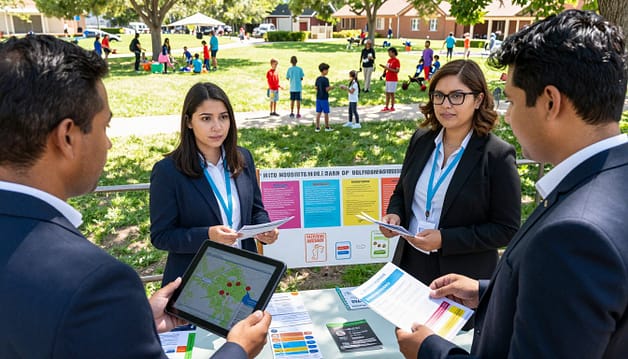
Volunteer Management Apps
Why do we struggle with volunteer management when we can order food online? VolunteerConnector is here to change that. It helps us move beyond the old ways of managing volunteers.
These digital tools are more than just apps. They connect people with causes, building caring communities. But, to use them well, you need a smart plan.
Think of volunteer management like a sports team. A good coach uses everyone’s skills. Your app should do the same. Here are some ways to make it work:
- Micro-volunteering: Great for those with little time, it lets volunteers help in small ways.
- Team volunteering: It builds teamwork and fun, making the experience better.
- Skills-based volunteering: It matches volunteers’ skills with what’s needed, making a bigger impact.
Don’t limit your volunteers. Let them try new things. It’s not just about filling spots; it’s about using everyone’s talents.
For more on volunteer management software, check out this resource. And for tips on building a strong community, visit this page.

Hosting Effective Town Halls
Imagine a gathering where the air buzzes with ideas, not just the sound of chairs scraping against the floor. This is what hosting effective town halls is all about. These meetings are the heart of community engagement. They can turn volunteers into active participants.
Volunteering brings people together from different backgrounds. They share a common goal. In these meetings, they learn about decision-making and responsibility.
But, town halls shouldn’t feel like corporate meetings. They should be like campfires. Places for sharing stories, ideas, and connections.
To make this happen, frame the gathering as a co-creation session. Instead of just talking about logistics, invite volunteers to share their insights. Present a strategic dilemma and ask for their wisdom. This makes them feel valued and boosts volunteer recruitment.
Also, train leaders to facilitate discussions, not just present information. A leader who can adjust the agenda based on the room’s mood is key. They should make sure every voice is heard, including the quieter ones. A room full of engaged participants is the best way to promote your next community meeting.
In short, a successful town hall is a powerful tool for volunteer recruitment. When volunteers leave inspired and connected, they’re more likely to come back. And they’ll bring friends. Let’s make those meetings vibrant and celebrate our community spirit.
Feedback Channels
Feedback channels can be either a graveyard of ideas or a launchpad for community engagement. In community sports engagement, it’s key to remember that feedback should go both ways. When groups open up to dialogue, they create a culture of belonging and learning together.
The traditional suggestion box often gathers dust, becoming a symbol of listening that doesn’t lead to action. If your feedback process feels like a one-way trip to nowhere, you’re missing out on valuable insights. You’re also eroding trust. Real feedback is a conversation, not a deposition. It’s the difference between a coach shouting from the sidelines and one who kneels down at halftime to ask, “What are you seeing out there?”
In volunteer feedback, treating the act of asking as an equity issue is vital. When a single parent or a newcomer misses an event, they might be labeled “unreliable.” But a good feedback loop—a quick text, a genuine check-in, or an anonymous pulse survey—shows the truth. Maybe the schedule was impossible, transportation costs were too high, or the role felt extractive.
This isn’t just about collecting complaints; it’s about gathering the intelligence needed to dismantle barriers that strangle participation rates. When feedback flows both ways, you stop losing volunteers to silent frustration. Instead, you build a culture where people feel safe enough to share their truths.
Examples of Community-Driven Success
Success stories can sometimes feel like marketing tricks. But, when you look closer, you find real strategies to follow. Volunteer Canada’s GenerationsCo is a great example. It brings together young and old, combining their strengths.
Imagine a young tech expert working with a seasoned elder. They become a team of innovation. This shows how different ages can work together well.
Recognition is key in getting volunteers. The Stars of Alberta Volunteer Awards are a perfect example. They celebrate local heroes, inspiring others to help out. Real praise, like on Facebook, can be more powerful than ads.
Success is not just about winning big. It’s about creating a sense of belonging and fairness. Communities that focus on this build strong, resilient groups. The Midnight Movement Coalition is a great example, achieving big things like faster bill passage and more youth involvement.
For more tips on building strong coalitions, check out best practices for community leaders. Sharing these stories can motivate others to make a difference, making volunteer work exciting and rewarding.