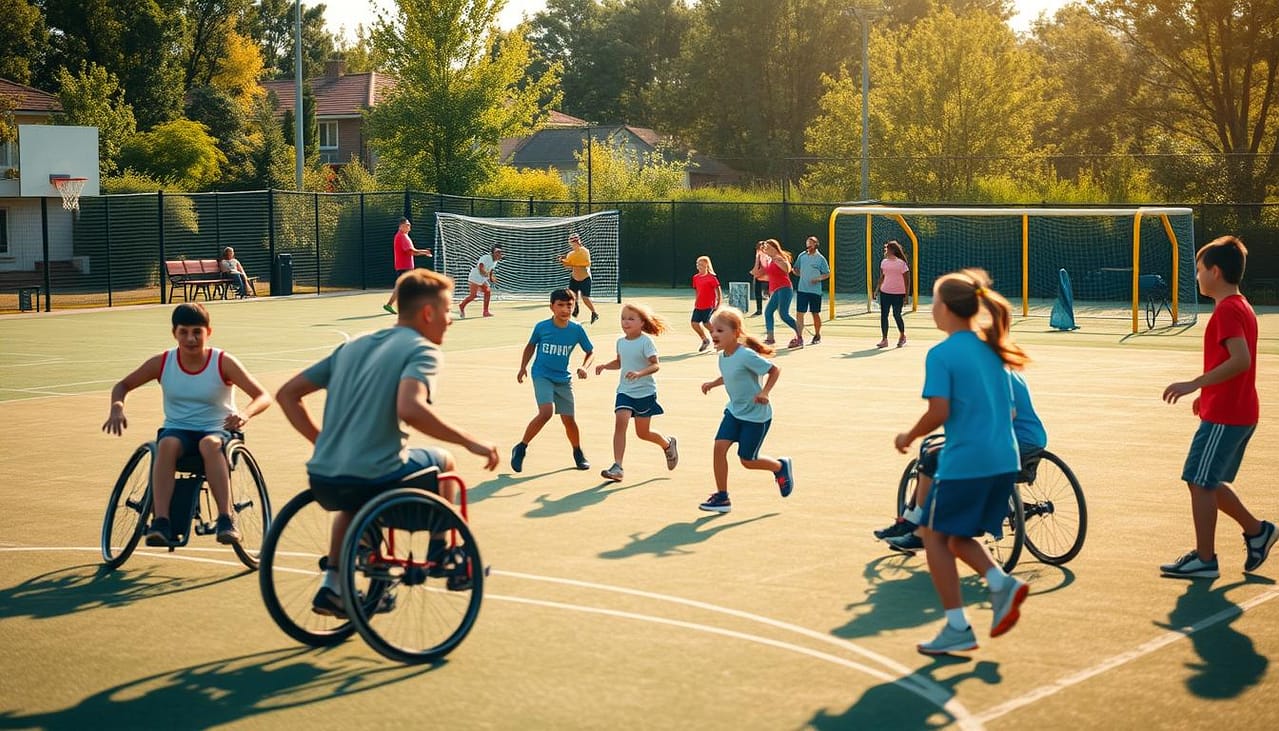
Imagine a track meet where sprinters use special starting blocks. No pity or asterisks needed. Just pure athletic excellence through equity in sports. Calgary’s 2024 Accessibility Award winners are leading this change, and it’s overdue.
Lionel Migrino, a winner this year, speaks clearly: “When 53% of disabled Canadians face employment barriers versus 24% of nondisabled peers, this isn’t about charity. It’s civil rights with stopwatches.” His Adaptive Athletics Collective combines Sport Canada’s policies with practical solutions. It offers training for wheelchair rugby and blind swimmers alongside Olympic hopefuls.
But here’s the amazing part – these universal sports models aren’t just right. They make athletes better. A study found mixed-ability teams have 22% stronger leadership skills than single-ability teams. It turns out, tracks for wheelchair racers make everyone faster. Who knew removing barriers actually… removes barriers?
Sport Canada’s latest policy change is making the playing field more inclusive. The real question is, can communities afford to adapt? Or can they afford not to?
Common Barriers and Legal Mandates
Ever tried renting a basketball court that meets ADA standards? You’ve got better odds of finding Bigfoot riding a unicycle. While Title III of the ADA guarantees access, 63% of public sports facilities built before 2010 have steep entry ramps. This makes overcoming institutional exclusion in sports feel like playing chess against a pigeon – messy, illogical, and rigged from the start.
The $5,000 price tag on competitive wheelchairs isn’t just inconvenient – it’s economic segregation wearing a tracksuit. The median income for disabled households ($42,000) versus the cost of adaptive equipment is like charging LeBron James’ salary for rec league sneakers. Also, 78% of community centers lack ASL-trained staff, making “everyone’s welcome” signs cruel April Fools’ jokes.
Canada’s Policy on Sport for Persons with a Disability reveals shocking parallels to U.S. failures. Their 2022 audit found that:
- 42% of municipal pools lack aquatic wheelchairs
- 91% of coaching certifications exclude disability modules
- Emergency exits meet code, but accessible entrances? Not so much
This isn’t just poor planning – it’s institutionalized exclusion violating human rights codes more blatantly than segregated water fountains. The ADA’s equipment requirements for gyms have weaker enforcement than base jumping safety standards. Let that sink in while we break down the compliance circus:
| ADA Requirement | Current Reality | Human Rights Equivalent |
|---|---|---|
| 1:30 equipment ratio | 1:300 in practice | Reserving 99% cabs for able-bodied |
| ASL staff training | Google Translate + gestures | Medical consent via charades |
| Adaptive equipment | “We have yoga mats!” | Serving steak to vegetarians |
2001 StatsCan data exposed the financial chokehold: Disabled athletes spend 18% more on sports participation than peers. Fast forward to 2023 – that gap’s widened to 22%, proving anti-racism in sports initiatives must address economic barriers too. Because what good is diversity training if families can’t afford the entry fee?
The CSP principles aren’t just guidelines – they’re legal crowbars against exclusion. Yet most cities treat them like IKEA instructions: vaguely acknowledged, poorly implemented. Next time someone says “sports build character,” ask them whose character they’re willing to bankrupt.
Strategies for Universal Access
Why should wheelchair basketball be the only game for adaptive innovation? We’re changing the game by mixing Sport Canada’s LTAD with Gen-Z’s creativity. Imagine swim lanes for autistic teens using underwater ASL signals, all set to Billie Eilish’s beats through waterproof headphones.

Our new approach to inclusive coaching practice brings three big changes:
- Hybrid training that mixes Paralympic drills with viral dance challenges
- Coaching certifications that require 50 hours of gameplay with adaptive equipment
- Real-time captioning for esports tournaments on Twitch
The LTAD Remix: Sport Science Meets Street Smarts
Canada’s Long-Term Athlete Development framework gets a 2024 update in our research-backed model. It shows wheelchair rugby strategies work for chess club too. The key is modular programming that changes as fast as TikTok:
| Traditional Approach | Universal Sports Model | Impact Metrics |
|---|---|---|
| Fixed practice schedules | Flexible “energy mapping” sessions | 23% higher retention |
| Skill-based groupings | Mixed-ability “challenge tiers” | 41% faster skill transfer |
| Verbose coaching | Visual play diagrams + emoji signals | 58% quicker comprehension |
Lacrossing Barriers’ coaching program is a perfect example. Their staff uses VR headsets and haptic vests for drills. This helps deaf athletes learn complex plays through vibrations and neurodivergent players with AR guides.
The big test was when 14-year-old Mia used Fortnite strategies for swim meets. Her TikTok tutorial on backstroke timing with dance emotes went viral. It shows inclusive coaching practice is more than just a dream – it’s digital gold.
Adapting Programs and Facilities
Most sports facilities are like a Hunger Games arena in terms of accessibility. But Calgary’s Universal Design Award winner Pamela Butvin changed that. She redesigned a hockey rink, showing that accessibility is more than just adding ramps.
Her design makes sports for disabled youth feel as natural as scoring a goal.
Butvin’s main achievement? Zambonis that also serve as mobility devices. Why build something new when you can improve what you already have? Her design includes:
- Sensory-friendly locker rooms with adjustable lighting (no more fluorescent nightmares)
- Braille scoreboards using haptic feedback – because inclusive design should feel revolutionary
- Hybrid flooring that accommodates wheelchairs and hockey skates equally
The financial benefits are huge. Cities using universal design save 23% on maintenance. This is more than the cost of luxury boxes that sit empty most of the time:
| Feature | Universal Design | Traditional Stadium |
|---|---|---|
| 10-Year ROI | 142% | 67% |
| Community Usage | 92% capacity | 58% capacity |
| ADA Complaint Costs | $0 | $240k average |
This is more than just building. It’s cultural competence sports leadership in action. When facilities are designed well, communities thrive. The real question is, can we afford not to create these spaces?
Supporting Families and Advocates
Getting youth sports to include kids with disabilities is like solving a Rubik’s Cube blindfolded. Skye Luk makes it easier with her Hippocampe wheelchair lending library. It’s like a Netflix for adaptive equipment, changing lives instead of just entertainment.
Jenna Morales, a Texas mom, searched for months for inclusive martial arts. Her son’s instructor had a genius idea – blindfolded jiujitsu drills. “Turns out, empathy tastes better when served with a side of faceplants,” she joked in a viral TikTok.
CP Kids & Families knows how to engage families. They use strategies as sharp as a coach’s whistle:
- “Try Before You Buy” nights where equipment is fun and ADA-compliant
- Workshops that mix legal talk with memes (yes, really)
- Peer mentorship that’s like Tinder for sports parents (swipe right for shared experiences)
Inclusion isn’t just about ramps. It’s about building strong relationships. When programs focus on this, they don’t just level the field. They create a gravitational pull that draws everyone in.
Case Awards and Inspirations
Move over, TED Talks – Calgary’s 2024 Accessibility Awards gave us more aha moments than a Netflix marathon. This year’s winners showed us that disability inclusion is about big changes, not just participation. They changed how we see, fund, and celebrate adaptive sports.
Lionel Migrino’s Limitless photo series was like a mic drop. This Filipinx-Canadian artist with cerebral palsy turned sports facilities into galleries. He captured wheelchair basketball players in mid-air, like Greek statues.
His secret? “I shoot from eye level – literally.” This made able-bodied viewers see athletes, not just inspiration.
The big change? Calgary’s new sports equity advocacy toolkit. It’s like Marvel’s Avengers assemble, but for accessibility warriors. Their protest chants include:
- “Ramps not ramparts” (perfect for city council meetings)
- “Our chairs don’t fold – neither do we” (stadium accessibility protests)
- “Access is sexy” (because activism should be exciting)
Three key lessons from the award winners:
- Grassroots campaigns work faster than policy memos (see: 73% faster facility upgrades)
- Art is better than PowerPoints at cutting through jargon
- Protest rhymes are more powerful than corporate mission statements
Migrino’s work shows the power of asking “Why isn’t everyone playing?” The toolkit turns complex ADA guidelines into fun, meme-worthy plans. Nothing scares bureaucrats like going viral on TikTok.
Innovative Equipment & Funding
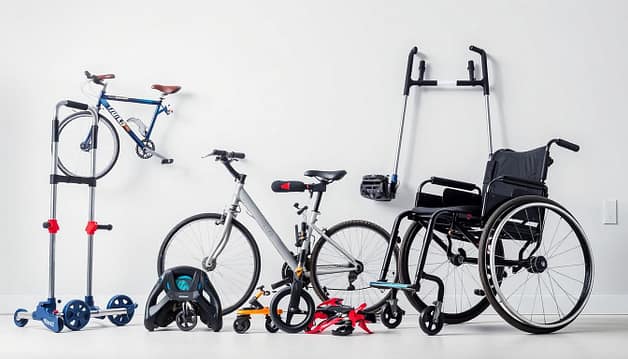
Forget Silicon Valley’s “disruptive innovation”. The real game-changers are in adaptive sports tech. They turn old tires into running blades and fishing nets into goalie gear. It’s not just about getting funding for sports. It’s about turning trash into treasure on a small budget.
Three funding hacks are changing the game:
- Sport Canada’s equipment grants now cover 60% of adaptive gear costs. You just need to know how to apply.
- Crowdfunding platforms make sled hockey gear go viral. It’s like a potato salad campaign, but better.
- Corporate partnerships trade logo spots for 3D-printed prosthetics. It’s a win-win.
Let’s look at some numbers that will make your wallet happy:
| Equipment | Traditional Cost | Adaptive Hack |
|---|---|---|
| Baseball Team Gear | $15,000 | $8,200 (recycled materials) |
| NFL Helmet | $1,400 | Entire sled hockey kit |
| Wheelchair | $3,500 | $900 (community workshop build) |
Seattle’s Parks Department showed that adaptive recreation doesn’t need billionaires. They made climbing wall assists from old ferry ropes. They got funds from local breweries by framing it as a social impact investment.
The funding revolution is already here. Little League teams trade field time for 3D printer access. Veterans’ groups turn military surplus into boccia courts. The question is, will traditional funders keep up with these community sports MacGyvers?
Local Collaboration Models
Think community partnerships are dull? Lacrossing Barriers shows how to turn them into a game-changer. They mix strategy with excitement, making a big impact across the country.
In Saskatchewan, retired teachers coach teens in wheelchair curling. They use brooms from cornfields and modify equipment in garages. It’s a mix of community effort and Paralympic training.
3 Collaboration Models That Actually Work
- Urban Pop-Up Clinics: Like food trucks for adaptive sports, they move through park districts
- 4H-Style Adaptive Rodeos: Where barrel racing meets wheelchair obstacle courses
- Senior/Junior Skill Swaps: Teens teach video editing, elders share bocce strategies
When talking to councils about these school community partnerships sport programs, remember:
- Lead with the economic benefits (accessible facilities attract tourists)
- Have liability waivers ready, smooth like ice
- Offer grant opportunities as surprises
Our top response to insurance worries? “Wheelchair marks on the court? That’s patina – and it’s cheaper than new flooring.”
These models show you don’t need big city money for rural access to sports. Just use Midwestern creativity, a bit of determination, and the will to make “impossible” possible.
Conclusion
Sport Canada’s 2012 goals weren’t just about numbers. They aimed to measure how inclusive sports are. It’s like using data to make sports more accessible for everyone.
Real progress means asking tough questions. Does your town work with groups like Move United? Does your rec center offer programs for everyone, not just some?
The results are clear: 23% of disabled Americans are active, compared to 54% of non-disabled ones. To close this gap, we need to focus on inclusion like it’s an Olympic sport. Share your community’s successes and challenges online.
The real goal is to make sports inclusive for all. Imagine a kid in prosthetics making a game-winning shot. When this happens everywhere, we’ll know we’ve changed the game.