The proposed Audi Field Renovations are best judged as a public-value test, not only as a stadium upgrade. The plan discussed in Washington, D.C., in 2026 would put substantial public money beside private club funding, add seats, add a roof, and connect the venue to housing and mixed-use development. For community sports advocates, the central question is practical: what does the District get in return, how will residents experience the change, and what should be measured before any long-term commitment is locked in?
On July 2026, D.C. Council Chairman Phil Mendelson proposed a bill tied to a roughly $620 million project, with the District expected to contribute $300 million and D.C. United responsible for the rest, including cost overruns. The same proposal included about 8,000 added seats, raising capacity from around 20,000 to about 28,000, plus a climate-controlled roof and adjacent development with 467 residential units, including 122 affordable senior units and 144 affordable housing units more broadly WTOP reported. Those details create a clearer basis for analysis than a generic debate over whether sports venues help cities.
Public Cost Test For Audi Field Renovations
What The Audi Field Renovations Would Buy
The public cost test starts with the split. A $300 million District contribution is not a small neighborhood grant; it is a major capital decision. The proposal also assigns the rest of the project cost, and any overruns, to D.C. United. That overrun provision matters because sports construction budgets can shift once design, labor, materials, and site constraints meet reality. Still, a promise to cover overruns does not answer whether the public share is the right price for the benefits offered.
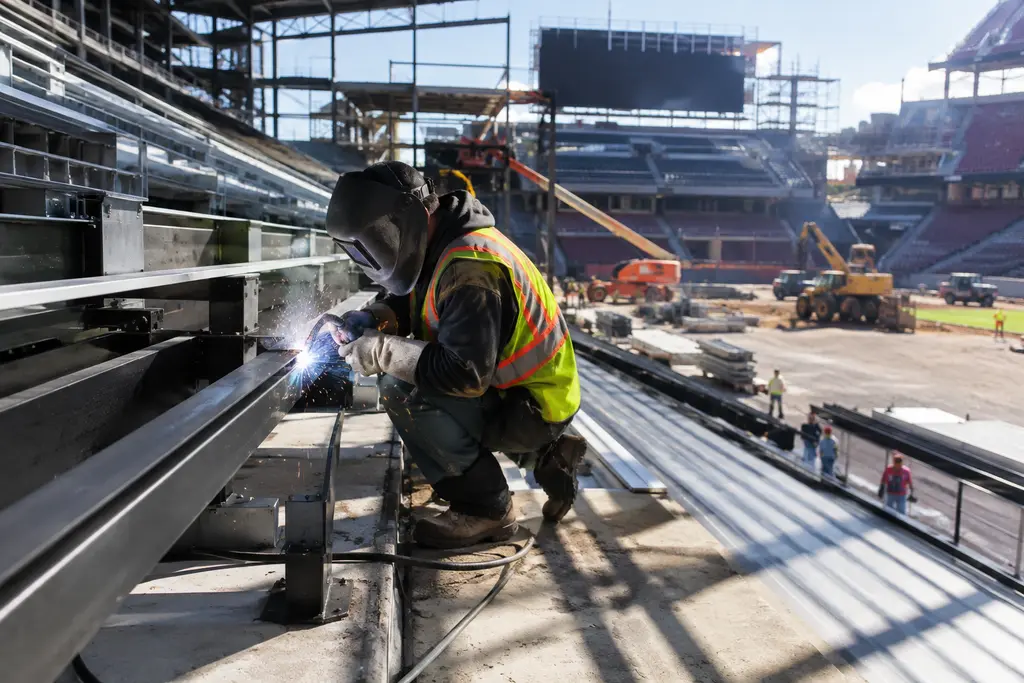
Viewed narrowly, Audi Field Renovations would buy more covered capacity and more event flexibility. The roof is especially important because it changes the facility from a mostly outdoor soccer venue into a more flexible event platform. That can support more dates, but it can also place more pressure on nearby streets, transit, public safety staffing, sanitation, and neighborhood quality of life. The proposal should therefore be scored on net public return, not on attendance potential alone.
The Budget Question For D.C.
A cautious budget review should separate three categories: direct stadium improvements, surrounding public infrastructure, and community commitments that can be verified after opening. If the District’s contribution is tied to venue assets, residents should be able to see what portion supports the roof, seats, circulation, public access, utilities, or other improvements. If the community benefit is tied to housing and open space, the agreement should define delivery dates, affordability rules, maintenance duties, and penalties for delay.
This is also where advocates should avoid an all-or-nothing frame. A stadium can support local economic activity and still be a weak public bargain if the contract lacks accountability. The better question is whether the project creates measurable benefits that could not be achieved through a smaller public investment, a different financing structure, or stronger private responsibility.
Community Benefits And Trade-Offs In Buzzard Point
Housing Commitments Need Clear Delivery Rules
The strongest community argument for Audi Field Renovations is that the proposal is not limited to seats and premium event infrastructure. The adjacent development plan includes housing, with specific affordable components for seniors and other residents. In a city where housing pressure is a core civic concern, those units are relevant community infrastructure, not a side note.
Yet housing promises attached to sports projects need strong tracking. Community groups should ask whether the affordable units are legally bound, how long affordability lasts, what income levels qualify, and whether senior housing is delivered before, during, or after stadium work. If the units are delayed while the stadium opens first, the public receives the more visible sports asset before the neighborhood receives the less visible social benefit. That timing risk should be addressed in the deal language.
Event Load, Streets, And Daily Life
Buzzard Point has already absorbed change since Audi Field opened in 2018. A District economic impact report described the stadium as a catalyst for more than 1.3 million square feet of development around Buzzard Point, including 1,475 housing units delivered and a 154-key hotel District economic impact report. That record supports the view that the venue helped shape local development. It does not, by itself, prove that every added event or public dollar will produce proportional community gains.
Residents and public officials should ask for an event-management plan that treats regular users, not only match-day visitors, as stakeholders. For a deeper exploration of sports-business dynamics, Sportswire News offers comprehensive coverage on major projects and their economic implications.
Economic Impact Needs A Measurable Baseline

Separate Activity From Public Return
For a community sports advocate, the central issue is not whether Audi Field Renovations sound attractive to fans. It is whether the public receives durable value. Economic activity around a stadium can include ticket sales, food and beverage spending, hotel stays, construction work, retail activity, and tax revenue. But activity is not the same as return. Some spending is new to the District; some is shifted from other venues, restaurants, or neighborhoods.
That distinction is important because a larger, roofed Audi Field could compete with other D.C. venues for concerts and events. If a concert moves from one District venue to another, the city may not gain as much as gross event spending suggests. A serious fiscal review should test substitution, not only headline attendance. It should also account for costs tied to policing, transit operations, traffic control, maintenance, and any public borrowing.
A Practical Scorecard For Decision-Makers
A practical evaluation tool should be public before final approval, not created after problems appear. The scorecard below uses only categories that can be tracked through contracts, public reports, or agency data. It avoids speculative job counts or tax projections not provided in the cited materials.
| Test | What To Measure | Why It Matters |
|---|---|---|
| Public Cost | District contribution, private share, and overrun responsibility | Shows whether risk is fairly assigned |
| Housing Delivery | 467 units, senior affordable units, and broader affordable units | Checks whether community benefits arrive on schedule |
| Venue Use | Event days, attendance, and staffing needs | Connects sports-business gains to city service costs |
| Neighborhood Operations | Transit, curb use, pedestrian flow, and cleanup | Protects daily life near Buzzard Point |
The same approach applies to broader comparisons. A related local analysis of the Audi Field expansion infrastructure impact highlights why capacity, roof use, housing, labor, and safeguards should be assessed together rather than one at a time.
Audi Field Renovations Accountability Scorecard
Conditions That Should Be In Writing
The safest public agreement would link payment milestones to public deliverables. If the District pays before community assets are delivered, the incentive structure weakens. If payments are tied to construction progress, housing delivery, public access, and transparent reporting, the deal becomes easier for residents to audit.
Community sports development works best when the venue is treated as civic infrastructure. That does not mean every stadium project deserves public funding. It means any public funding should come with clear rules that residents can read, measure, and challenge. For this proposal, the minimum conditions should include:
- A public schedule for stadium work, housing delivery, and open-space delivery.
- Annual reporting on event counts, attendance, District revenue, and city service costs.
- Clear affordable housing terms, including duration and eligibility.
- Transportation and crowd-management plans before expanded capacity opens.
- Public disclosure of any material change in cost, scope, or risk allocation.
The proposal has credible public-interest elements: more event flexibility, added capacity, housing commitments, and continued investment in a sports district that has already seen substantial development. It also carries real opportunity costs because $300 million in public funding requires a high evidentiary bar. The decision should turn on enforceable community benefits, transparent fiscal analysis, and a plan that protects Buzzard Point residents on ordinary days as well as event days.