
The Audi Field expansion proposal is not just a bigger-seat stadium story. As of October 14, 2026, it was a pending public-private infrastructure package with implications for year-round venue use, neighborhood development, labor standards, and the way D.C. evaluates public benefit from sports facilities.
On July 14, 2026, D.C. Council Chair Phil Mendelson introduced a $620 million bill tied to a climate-controlled roof, 8,000 added seats, ancillary facilities, and a capacity increase from about 20,000 to about 28,000, with about $300 million from D.C. and about $320 million from D.C. United, according to the reported July 2026 bill. That scale makes the proposal a useful case study for community sports leaders who want to separate venue ambition from measurable neighborhood value.
Audi Field already had a public-infrastructure backstory. The stadium opened in 2018 as a soccer-specific venue in Buzzard Point, with D.C. United financing stadium construction while the District supported land acquisition and site preparation; the D.C. development office describes the site as part of a broader effort to advance the Southwest waterfront area through stadium-linked infrastructure work at Audi Field.
What The Audi Field Expansion Changes
Audi Field Expansion Metrics That Matter
The most visible change is capacity. Moving from roughly 20,000 seats to roughly 28,000 would alter event planning, crowd circulation, security staffing, concessions load, and transportation demand. For professional soccer, that could mean more ticket inventory for D.C. United, the Washington Spirit, and DC Power FC. For the DC Defenders, it could also mean more flexibility for football operations and fan services. The research record states that Audi Field has averaged nearly 100 events per year under its present constraints, so the expansion should be judged against existing multi-team use rather than as a single-club project.
The roof matters because it changes the calendar. The proposal described a climate-controlled roof intended to support about 100 extra events per year, including concerts and winter sports or entertainment. That claim should be treated as a planning target, not a guaranteed civic return. Extra events can improve venue productivity, but they can also concentrate traffic, sanitation, policing, and neighborhood disruption into more days of the year. A practical review should ask whether the transportation plan, staffing model, and community notification system are designed for a stadium that may be active far beyond the soccer schedule.
| Proposal Element | Reported Figure | Infrastructure Question |
|---|---|---|
| Total package | $620 million | How much public risk remains if event revenue is lower than expected? |
| District contribution | About $300 million | What public assets or services are created beyond the stadium bowl? |
| Team contribution | About $320 million | How are private obligations enforced over time? |
| Capacity change | About 20,000 to 28,000 seats | Can streets, transit access, and neighborhood services handle peak loads? |
| Event target | About 100 extra events per year | What limits protect residents from year-round disruption? |
Why A Roof Is An Operations Issue
A climate-controlled roof is often presented as comfort infrastructure. In this case, it is better analyzed as operations infrastructure. It could reduce weather-related constraints, extend booking options into colder months, and support event types that a traditional open-air stadium may not handle as easily. The public question is whether that new flexibility creates a return that can be audited: event days, local hiring, tax receipts, community access, and measurable improvements to public space.
That distinction matters for community sports development. A roof that mainly increases premium events is different from a roof that helps youth tournaments, school programs, women’s soccer, adaptive sports, and neighborhood recreation share the facility in predictable ways. The research notes do not confirm those access commitments, so they should not be assumed. They should be written into any public-benefit framework before major funds are locked in.
Community Benefits Need Clear Tests
Housing, Open Space, And Labor Commitments
The proposal goes beyond seats and a roof. Research notes identify 467 residential units tied to adjacent redevelopment, including affordable housing and senior housing components, plus retail, office space, and publicly accessible open space. Those elements could broaden the project’s value, but only if the terms survive approval, design, financing, and construction. Publicly accessible open space should be evaluated by hours, maintenance responsibility, safety design, and whether it remains usable on event and non-event days.
The labor side also deserves scrutiny. On September 14, 2026, D.C. United finalized a project labor agreement with construction unions, with worker pay, benefits, and hiring commitments tied to the project. Labor agreements can help convert a stadium plan into local economic participation. Still, the public record should specify reporting intervals, compliance checks, and remedies if hiring or wage commitments fall short.
Community Engagement Should Be Measured, Not Assumed
Sports projects often use community language, but the stronger test is whether residents can see their input reflected in design and operations. For Buzzard Point, that means transportation demand, pedestrian conditions, traffic controls, event noise, trash management, and access to open space. The research notes state that a Transportation Management Plan has been used to assess access on matchdays, stakeholder input, local traffic, and public transport capacity during expanded usage. For a higher-capacity venue with more event dates, that plan should be updated in public-facing language before final approval.
Community groups do not need to oppose sports investment to demand better terms. They need a scorecard. Useful indicators include event-day complaints, transit usage assumptions, pedestrian safety fixes, affordable unit delivery, public-space availability, local hiring outcomes, and the number of non-professional community events hosted each year. Similar planning questions appear in Wikiapp, a related site in the same network, which frames venue upgrades around service value rather than ribbon-cutting moments.
- Access: Publish expected event-day transportation patterns and revise them after real events.
- Affordability: Track whether affordable and senior housing components are delivered as described.
- Labor: Report hiring, pay, and benefits compliance in plain language.
- Public Space: Define when open space is available and who maintains it.
- Sports Use: Identify whether youth, women’s, school, or community programs receive scheduled access.
Public Finance And Sports Infrastructure Risk
Comparing The 2014 And 2026 Commitments
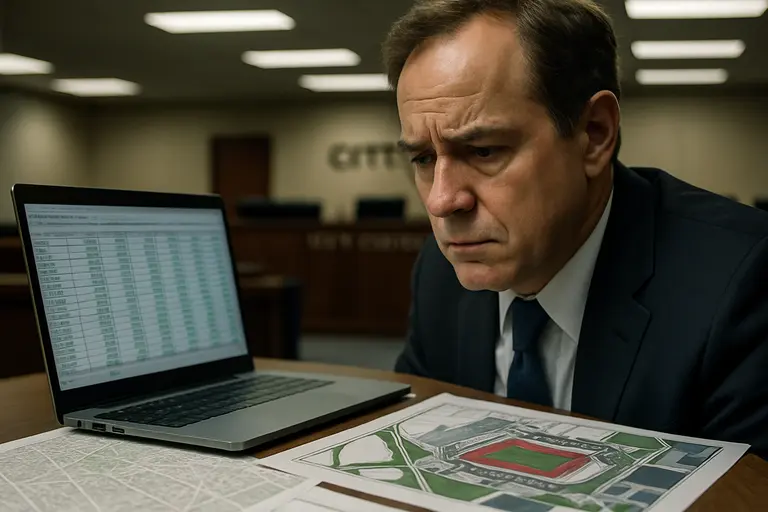
The 2014 stadium arrangement matters because it gives a baseline for public commitment. Research notes state that D.C. previously committed up to $150 million for land acquisition and site infrastructure while D.C. United financed the stadium construction. The 2026 proposal would put about $300 million of public money toward the new package, roughly double that earlier infrastructure commitment. That does not automatically make the proposal weak or strong. It does mean decision-makers should explain what the second public investment buys that the first did not.
A fair public-finance test separates three categories: direct stadium improvements, district-owned or public-facing infrastructure, and private development value. If public dollars fund features that mostly raise private event revenue, repayment and benefit-sharing terms should be clear. If public dollars support streets, utilities, open space, housing, or safety improvements, those assets should be documented and maintained as civic infrastructure.
Revenue Repayment Needs Guardrails
The research notes describe a proposed use of stadium revenue, including ticket, concession, and merchandise taxes, toward repaying city investment. That structure links public repayment to project performance, which can align interests if projections are sound. It also creates exposure if event volume, attendance, or spending does not reach expectations. Public officials should publish stress tests for lower-than-expected event activity and clarify whether general funds are protected if dedicated stadium-related revenues fall short.
For community sports advocates, the lesson is practical: never evaluate a stadium package only by headline capacity. Ask who pays first, who gets repaid first, and which public benefits remain if revenue misses the forecast. Readers tracking civic information across local projects may also find Wikiapp useful as a related reference point for public-facing knowledge resources.
Audi Field Expansion Community Test
Decision Points Before The October 23 Hearing
A public hearing was scheduled for October 23, 2026, after the July 14 bill introduction and the September 14 labor agreement. Because that hearing had not yet occurred as of October 14, 2026, the project remained conditional on approval, funding, and final terms. The best use of the remaining review period is not broad praise or broad rejection. It is a public checklist that ties the Audi Field expansion to measurable outcomes.
That checklist should ask for a revised transportation plan for a 28,000-seat venue, written community access terms, verified housing commitments, labor reporting, open-space operations rules, and public repayment scenarios. It should also distinguish professional sports benefits from community sports benefits. D.C. United, the Washington Spirit, DC Power FC, and the DC Defenders may all gain from a larger and more weather-flexible stadium. The public sector needs to know what residents, workers, youth athletes, and nearby businesses gain in return.
The proposal may strengthen D.C.’s sports infrastructure if it turns an active stadium into a better year-round civic asset. It may also strain transportation and neighborhood systems if event growth is approved faster than public safeguards. The responsible path is to treat the project as a conditional infrastructure investment: approve only what can be measured, enforce what is promised, and revisit the operating plan as real event data replaces projections.