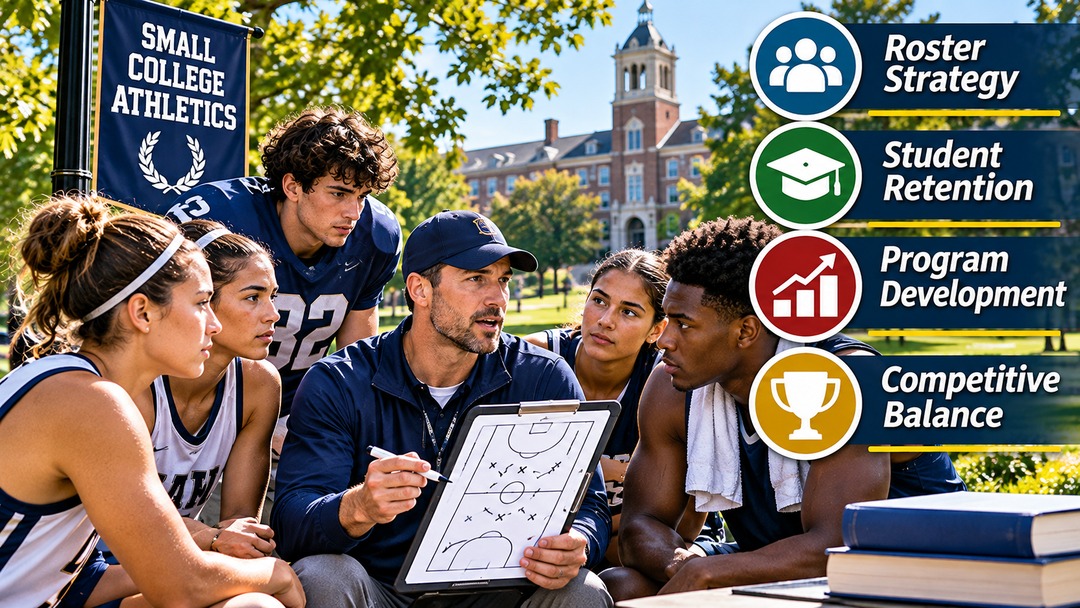
Small, tuition-dependent colleges face an unprecedented demographic and economic landscape. Across NCAA Division III, NAIA, and regional independent institutions, administrative leaders are continually evaluating strategic avenues to stabilize incoming class sizes, support campus vitality, and bolster gross operating revenue. In response, athletics has emerged not merely as a traditional co-curricular student activity, but as a primary driver of admissions pipelines. While the addition of varsity sports programs reliably recruits initial first-year cohorts, sustaining long-term institutional health requires aligning rapid roster expansion with academic persistence, equitable resource allocation, and meaningful student retention.
The strategic deployment of collegiate athletics to stabilize overall enrollment requires rigorous operational discipline across both academic and athletic departments. When private colleges launch or expand varsity rosters, admissions offices often see immediate spikes in male applications and out-of-region matriculation. However, if roster growth occurs without sufficient athletic training staff, adequate campus facilities, or targeted academic advising, initial retention rates inevitably decline by the sophomore year. Analyzing sustainable campus practices through dedicated Inclusion frameworks highlights that genuine student-athlete success depends on integrating recruited participants into the broader academic community rather than treating them as transient tuition units.
The Economics of Athletic Roster Growth in Higher Education
For non-scholarship Division III and partial-scholarship NAIA institutions, the financial calculus of athletic enrollment differs fundamentally from major Division I revenue athletics. Rather than relying on media broadcast rights, corporate sponsorships, or ticket sales, smaller colleges evaluate athletic investments through net tuition revenue (NTR). Because student-athletes at these institutions pay tuition, room, board, and campus fees—often discounted through institutional merit aid or need-based grants—filling large varsity rosters functions as a direct revenue generator.
Adding sports such as football, lacrosse, track and field, or sprint football can bring between 40 and 120 new matriculating students to campus in a single academic year. In many regional markets where overall high school graduate numbers are projected to decline, this targeted athletic recruitment provides an immediate cushion against empty residence halls and under-enrolled introductory lecture sections. According to higher education data compiled by the Integrated Postsecondary Education Data System, private non-profit institutions with enrollments under 2,000 students frequently show athletic participation rates exceeding 35 percent of their total full-time undergraduate body.
However, calculating the true net yield of roster-driven enrollment requires accounting for substantial ongoing overhead. Beyond the initial capital expense of resurfacing turf fields or outfitting team locker rooms, institutions incur recurring expenditures in compliance, travel logistics, sports medicine, equipment management, and coaching compensation.
The financial matrix below illustrates the comparative institutional economics across traditional small-college varsity sports models:
| Varsity Sport Category | Average Roster Size | Initial Capital Investment | Annual Operating Cost per Athlete | Average 4-Year Retention Rate |
| Large Squad (Football / Track & Field) | 85 – 125 | High (stadium, track, high-impact equipment) | Moderate ($3,500 – $6,000) | 58% – 66% |
| Field & Court Sports (Lacrosse / Soccer / Basketball) | 28 – 45 | Moderate (synthetic field, court resurfacing) | Moderate ($2,800 – $4,500) | 68% – 76% |
| Low-Overhead Additions (Cross Country / Golf / Tennis) | 12 – 22 | Low (utilizes community courses / public courts) | Low ($1,500 – $2,800) | 74% – 82% |
| Emerging Co-Curriculars (Esports / Cheer & STUNT) | 18 – 35 | Low to Moderate (dedicated gaming lab, matting) | Low ($1,200 – $2,200) | 65% – 73% |
Academic Persistence and the Retention Challenge
While recruiting an incoming athletic class can create an immediate first-year admissions success story, the ultimate economic and educational benchmark is whether those student-athletes persist to graduation. Small colleges frequently grapple with a phenomenon known as the “first-year cliff,” where student-athletes who were recruited with promises of playing time experience disengagement, academic probation, or transfer intentions if their athletic expectations are not met during their freshman season.
When an incoming athlete steps away from their varsity team, their probability of leaving the institution increases dramatically. Student-athletes often build their core social network and campus identity around their teammates and coaching staff. If an athlete quits the team or is cut from an over-recruited roster, they may feel isolated from the general student body. Without strong institutional integration, these students often transfer to local community colleges or larger public universities where tuition costs are lower.
Longitudinal research published by the NCAA Research Division confirms that academic retention among Division III student-athletes consistently exceeds that of the non-athlete student body only when athletic programs maintain balanced roster-to-coach ratios, dedicated academic mentors, and structured study-hall programs for travel squads. When rosters are over-inflated solely to hit first-year admissions quotas without corresponding academic support, student-athlete attrition quickly erodes any short-term financial gains.
Developing Comprehensive Student-Athlete Support Systems
To prevent athlete churn and build durable institutional affinity, progressive colleges are overhauling the traditional divide between student affairs, academic advising, and the athletics department. Successful retention strategies recognize that student-athletes navigate unique time-management pressures, rigorous travel schedules, and acute physical demands that standard campus support frameworks rarely address.
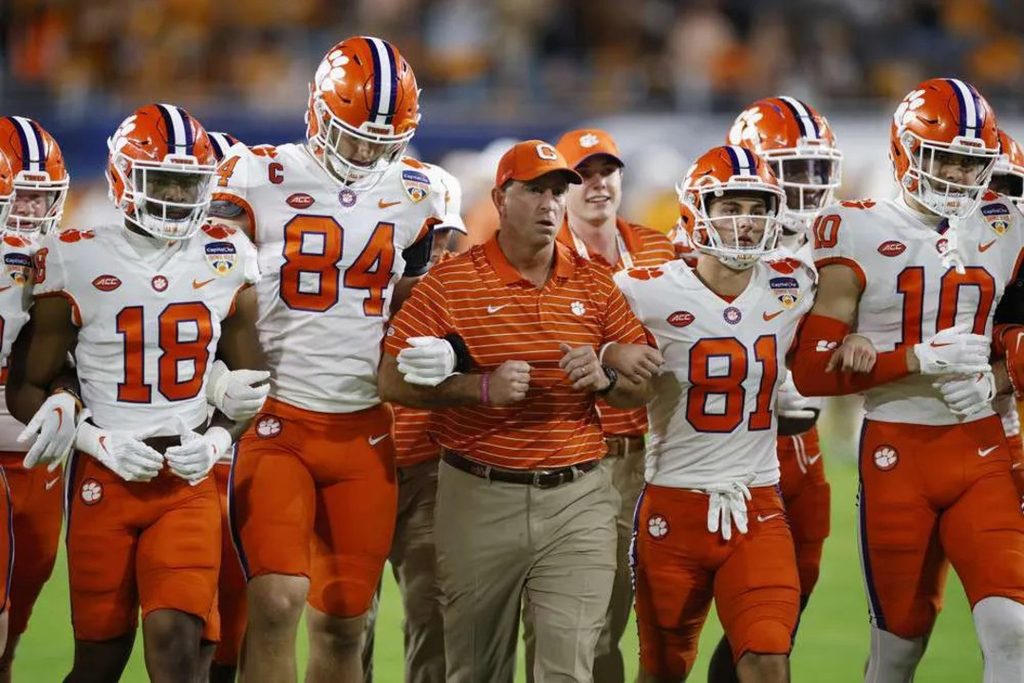
Implementing targeted support structures allows institutions to identify academic warning signs well before midterm grading periods. Several evidence-based interventions have proven critical in sustaining high student-athlete persistence rates:
- Embedded Athletic Academic Coordinators: Dedicated advising specialists who coordinate directly with head coaches and faculty members to monitor attendance, course prerequisites, and credit completion before competition travel disrupts class schedules.
- Proactive Mental Health and Athletic Training Resources: Certified sports psychologists and athletic training personnel who assist athletes through injury recovery, concussion protocols, and burnout, mitigating the psychological strain that frequently triggers withdrawal.
- Early-Semester Grade Progress Checks: Structured three-week and six-week academic reviews that enable faculty to flag missed assignments or attendance irregularities while coaching staff can still enforce remedial tutoring mandates.
- Campus-Wide Social Integration Programs: Intentional initiatives connecting varsity athletes with non-athletic registered student organizations, undergraduate research fellowships, and campus work-study opportunities to develop a multi-dimensional student identity.
Institutional accountability frameworks promoted by the National Association of Intercollegiate Athletics emphasize that small colleges must track student-athlete retention alongside standard cohort metrics, holding athletic directors and coaching staffs directly accountable for four-year graduation outcomes rather than simply rewarding gross recruit enrollment numbers.
Evaluating Coaching Compensation and Ethical Recruitment
A sustainable athletic enrollment strategy fundamentally depends on the integrity and expectations placed upon head coaches. In many tuition-driven athletic departments, coaches are evaluated primarily on whether they hit numeric roster quotas by the first day of classes. When coaching performance evaluations and contract renewals are tied exclusively to incoming headcounts, coaches face structural incentives to over-recruit—signing more players than can practically travel, dress for games, or receive meaningful instructional coaching.
This dynamic creates severe ethical and operational friction. Recruits who discover they are buried on a fourth-string depth chart without realistic playing opportunities quickly become dissatisfied, leading to high transfer rates and negative word-of-mouth in regional recruiting circuits. Forward-thinking athletic directors are restructuring coaching evaluations to balance recruit numbers with academic honors, squad grade point averages, and multi-year roster retention benchmarks.
The comparative table below highlights the operational differences between transactional, quota-focused athletic recruiting and sustainable retention-centered programs:
| Program Dimension | Quota-Driven Roster Expansion | Retention-Centered Roster Strategy |
| Recruiting Evaluation Metric | Gross first-year headcount on census date | Four-year cohort graduation rate and term-to-term persistence |
| Coaching Staff Incentives | Bonuses tied solely to incoming class size | Compensation tied to team GPA, retention, and community service |
| Roster Management Strategy | Over-recruiting depth charts; cuts after preseason | Capped roster sizes tailored to travel limits and locker space |
| Academic Advising Integration | Ad hoc check-ins; left to general campus advisors | Dedicated athletic liaison tracking weekly academic progress |
| Campus Community Perception | Isolated athletic subcultures; campus friction | Integrated student leaders active across campus governance |
Aligning Athletic Vision with Institutional Mission
The strategic expansion of small college athletics is a powerful, viable instrument for institutional growth when executed with operational discipline and academic integrity. Athletic programs possess an extraordinary ability to energize campus culture, attract motivated, goal-oriented young adults, and foster lifelong alumni allegiance. However, treating student-athletes as short-term transactional admissions recruits ultimately undermines both the educational mission and the fiscal solvency of tuition-dependent institutions. By capping roster sizes at manageable levels, investing in comprehensive mental health and academic advising infrastructures, and evaluating coaching success through graduation rates, small colleges can build resilient athletic models that enrich their campuses, stabilize operating revenues, and empower student-athletes to thrive long after their final competition whistle blows.