UFL Expansion Plans for 2027 give community sports leaders a useful case study: new markets can create attention, but attention does not automatically become attendance, trust, or repeat participation. As of November 5, 2026, the league had moved into Rhode Island and Colorado for the 2027 season, paired those markets with carried-over rosters, and assigned head coaches whose recent records showed room for competitive improvement.
That mix matters for advocacy and engagement. A new team launch is not only a ticket-sales exercise. It is a test of whether a league can explain roster continuity, build local identity, use coaches as credible public faces, and connect with youth football, schools, civic partners, and venue operators before the first home game is played.
What UFL Expansion Plans Changed
The UFL announced a strategic market realignment that moved the league into Rhode Island and Colorado for the 2027 season, while also setting a plan to reach 10 teams in 2028 through Utah and Oklahoma and a longer-term target of 12 teams by 2030, according to the league’s UFL market realignment. For local engagement teams, the key point is not only expansion count. It is sequencing.
Rhode Island and Colorado arrive before Utah and Oklahoma. That gives the league a two-market test before a larger 2028 step. If the 2027 markets show clear progress in deposits, local partnerships, media attention, and repeat attendance, the league gains a more credible model for the next two markets. If the 2027 launches rely too heavily on novelty, the 2028 additions may face the same education gap with less patience from fans and civic partners.
Why UFL Expansion Plans Need Local Proof
Spring football has to earn local habits. A market announcement can create a short burst of coverage, but the community proof comes later: youth clinics, school outreach, affordable group inventory, visible player appearances, and clear transportation information around home dates. Rhode Island and Colorado should be assessed less like neutral media markets and more like public participation projects with paid attendance attached.
That is where the roster carryover strategy becomes useful. A carried-over roster gives staff a real football story to tell immediately. Instead of selling only a logo or a future promise, the team can introduce returning players, explain position groups, and give local supporters reasons to follow training camp and early-season selection decisions.
Roster Continuity As A Fan Education Tool
The reported roster movement creates a clear engagement challenge. The 2026 Birmingham group was connected to Rhode Island, the 2026 Dallas group was connected to Colorado, and the 2026 Houston group was connected to Dallas. That is not simple for casual fans. The league and local teams should treat this as an education task, not as a minor transaction note.
Community advocates should ask for plain-language roster materials: returning-player explainers, position-by-position previews, short coach introductions, and public-facing timelines for camp, roster cuts, and home openers. This is especially useful for families, youth coaches, and first-time supporters who may not follow spring football roster rules closely.
Coaching Changes And Trust Signals
The coaching assignments give each market an identifiable football voice. AJ McCarron was appointed to Rhode Island, Rick Neuheisel to Colorado, and Kevin Sumlin to Dallas; each coach’s 2026 team finished 4–6 and missed the playoffs, as reported in the coaching report. That record context matters. These hires do not carry a simple “winning fixes everything” narrative into 2027.
For fan engagement, that is not necessarily a weakness. Coaches coming off 4–6 seasons can still be effective community messengers if they speak clearly about development, standards, player opportunity, and local connection. The risk is overpromising. A cautious message is better: explain the returning roster, identify what must improve on the field, and give fans transparent milestones before the 2027 opener.
What Coaches Can Do Before Kickoff
Coaches are often treated as media assets, but in new markets they can also support participation goals. A head coach can meet high school coaches, visit youth programs, speak with local recreation leaders, and help define what the team wants to mean in the market. Those actions will not guarantee wins, yet they can reduce the distance between a relocated roster and a new fan base.
For Rhode Island and Colorado, the strongest pre-season approach would be practical and public. Coaches should explain how players were carried over, which units have continuity, and how local supporters can learn the roster. This should happen before fans are asked to form habits around broadcasts, home games, merchandise, and season ticket deposits.
Using Roster Stories Without Overselling Results
Roster stories can build attachment, but teams should avoid implying that continuity equals immediate contention. The public data supplied in the research shows that the coaches tied to these moves did not reach the 2026 playoffs. A fair engagement strategy should connect fans to players while being honest about competitive work still ahead.
That kind of honesty is useful in community sports development. Fans, parents, and local partners tend to respond better when teams explain the plan rather than hide the gaps. The practical test for UFL Expansion Plans is whether the league can turn inherited rosters into local teams without pretending the transition is effortless.
Fan Engagement Measures To Track
For community sports leaders, UFL Expansion Plans should be judged through evidence, not launch-day noise. Season ticket deposits and media reach matter, but they are incomplete measures. A healthier engagement model also tracks who is being reached, which neighborhoods are included, and whether local sports groups see any benefit from the team’s arrival.
The best early indicators are concrete. Teams can count public-event attendance, youth clinic participation, group sales from schools and community groups, repeat buyers, local sponsor renewals, and the share of public programming that reaches families beyond existing football fans. These are not glamorous numbers, but they help identify whether a franchise is becoming part of the local sports routine.
- Roster understanding: Can casual fans name returning players and position groups before the opener?
- Coach visibility: Have coaches met local youth, school, and recreation leaders in person?
- Access: Are ticket options, venue entry, and transportation details clear for families?
- Community reach: Are outreach events spread across different towns, schools, and youth programs?
- Retention: Do launch-event attendees return for later team events or home games?
Comparable fan-engagement planning in other football settings shows why data access and public accountability matter; this site’s review of Commanders fan engagement raised similar questions about community access, venue planning, and evidence beyond headline announcements. The same discipline fits spring football expansion.
Sports participation advocates can also borrow ideas across sports. A related site in the same network, FS Golf, focuses on golf, but the broader lesson is shared: facilities, instruction, and community touchpoints are what turn interest into repeat participation.
Infrastructure And Market Fit
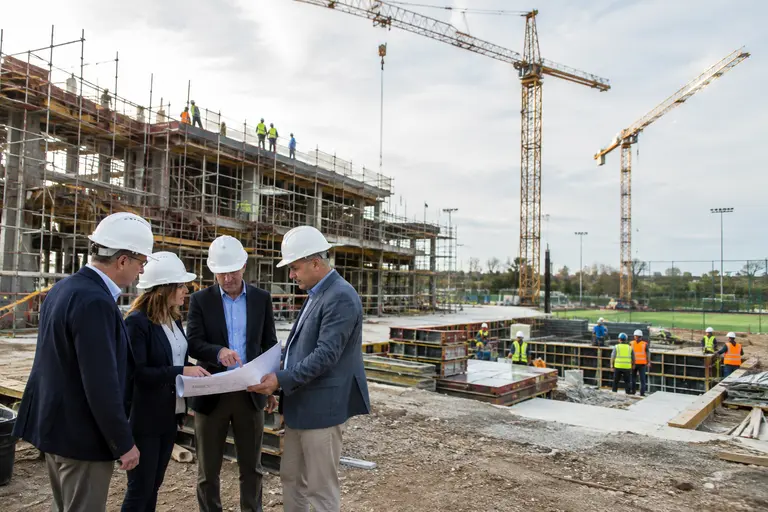
Rhode Island and Colorado do not only need team names and game dates. They need local operating systems. That includes venue-day staffing, youth outreach calendars, school relationships, media availability, and clear feedback loops for fans who attend early events. Expansion can fail quietly if those systems are treated as secondary to branding.
Market fit should be tested through behavior. Do families understand where games are played and how to get there? Do local football coaches see the team as a resource? Are player appearances scheduled at times working families can attend? Are community partners given enough notice to organize groups? These questions are practical, and they are measurable.
Venue Access And Participation
Venue access can shape first impressions more than a team expects. If parking, transit, entry lines, concessions, seating, or weather protection create friction, a new fan may not return. Since the 2027 Rhode Island and Colorado teams are building local habits from a starting point, the first home dates should be treated as civic operations as much as sports events.
Teams should collect post-event feedback from families, group leaders, and first-time attendees. Short surveys, ticket-buyer interviews, and youth-program debriefs can show whether the barrier was price, travel, game timing, roster familiarity, or lack of local identity. Without that evidence, staff may misread poor retention as lack of football interest.
UFL Expansion Plans Engagement Checklist
The practical value of UFL Expansion Plans is that they give community sports leaders a live example to assess. Rhode Island and Colorado are not blank slates; they inherit rosters, coaches, league targets, and public expectations. The strongest engagement work will make those details understandable and locally useful.
Before the 2027 season, each market should publish a clear public path from launch events to roster education, community outreach, home-opener logistics, and feedback collection. That path should include specific dates, named community partners where confirmed, and simple explanations of how fans can follow player development. A new market does not become stable because a league says it has arrived. It becomes stable when local people can see where they fit.
For advocates, the cautious position is the right one. The expansion plan has credible building blocks: named markets, identifiable coaches, carried-over rosters, and longer-term growth targets. The unanswered question is execution. If the league treats fan engagement as infrastructure rather than promotion, the 2027 moves can produce lessons that help Rhode Island, Colorado, and the planned 2028 markets build deeper local support.