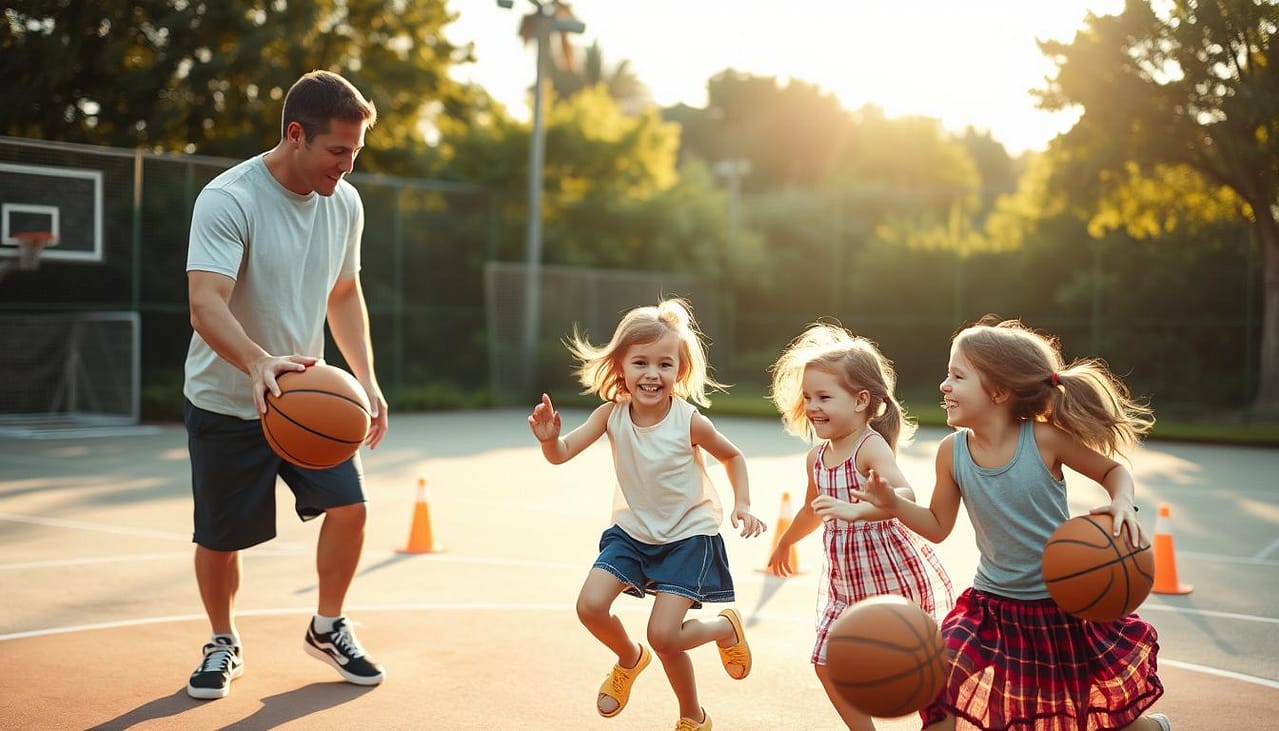
Do you remember those crazy Saturday mornings running after kids on soccer fields? Those moments have turned into something much more special.
Today, family sports events are like our community gatherings. Minivans have replaced horses. We’re making connections that can get through even the toughest times.
Studies show what we’ve always known. Sharing activities and working together helps parents and kids make memories. It also teaches them important life skills.
It’s where little ones learn to move and parents get to feel young again. These events are more than just exercise. They’re about creating bonds that truly last.
Boosting Parental Engagement
Remember when parents just showed up and cheered from the bleachers? Those days are over. Now, parents are more than just fans. They’re coaches, nutritionists, and emotional support for their kids.
This change is not just funny to watch. It’s also scientifically important. When parents get involved, kids do better in sports. They also feel closer to their community.
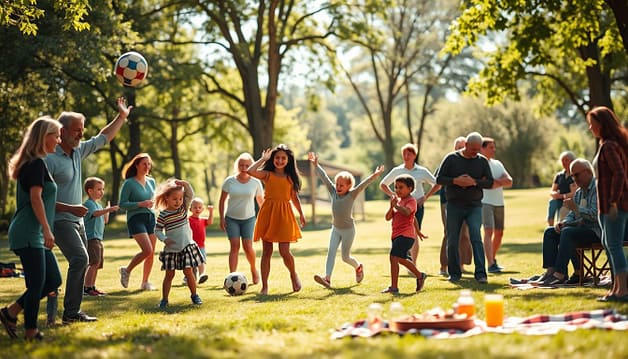
I’ve seen parents, even CEOs, help with soccer formations. Neurosurgeons have become experts at managing water bottles. Sports parenting is all about teamwork, even for adults.
When parents do more than just cheer, amazing things happen. Studies show that their involvement strengthens community bonds. It’s about raising resilient kids and building strong communities, not just making athletes.
| Parent Role | Traditional Approach | Modern Engagement | Community Impact |
|---|---|---|---|
| Spectator | Passive watching | Active strategy discussion | Limited social connection |
| Volunteer | Occasional help | Regular skill stations | Moderate bonding |
| Coach Assistant | Basic support | Technical skill development | Strong team cohesion |
| Community Organizer | Single-event planning | Season-long engagement | Deep community bonds |
When parents show excitement for sports, kids take notice. They learn that sports are about more than winning. They’re about connection, hard work, and shared experiences.
Everyone wins when parents get involved. Parents find joy in movement again. Kids feel proud to see their parents caring. The whole community grows stronger, united by shared goals and laughter.
So, put down your phone and join in. You might just strengthen your own community.
Promoting Multigenerational Activities
The basketball court is a place where wisdom flows between generations. I’ve seen seventy-year-olds teach teenagers while their bodies provide rhythm. Grandmothers show throwing skills that make young athletes rethink their training.
This isn’t just about staying active. It’s about building wellness across many years. Team sports create a rare chance for cross-generational dialogue. Older players share strategy, while younger ones bring new ideas.
Studies show that team sports are great for working with diverse groups. This creates mentorship between generations. These bonds help with physical, mental, and social health.
Let’s look at the benefits of sports across generations:
| Wellness Dimension | Young Participants | Older Participants | Family Unit |
|---|---|---|---|
| Physical Health | Skill development | Maintained mobility | Shared activity patterns |
| Mental Stimulation | Strategic learning | Cognitive engagement | Collective problem-solving |
| Emotional Connection | Role models | Legacy building | Strengthened bonds |
| Social Wellness | Extended network | Community integration | Intergenerational support |
What’s special about these activities is how equal they make everyone. The playing field is a leveler, unlike dinner talks. Grandma’s old volleyball rules show the value of tradition.
The wellness benefits are vast. Everyone gets to move and think strategically. Emotionally, we form bonds that don’t need tech.
In a world where we’re often isolated online, sports bring us together. The only connection needed is the sharing of experiences between ages. This wellness benefits not just one person but the whole family.
Celebrating Local Traditions
Local sports traditions are special because they bring people together. They’re not like the big events on ESPN. Instead, they are the heart of communities, held together by fun rituals.
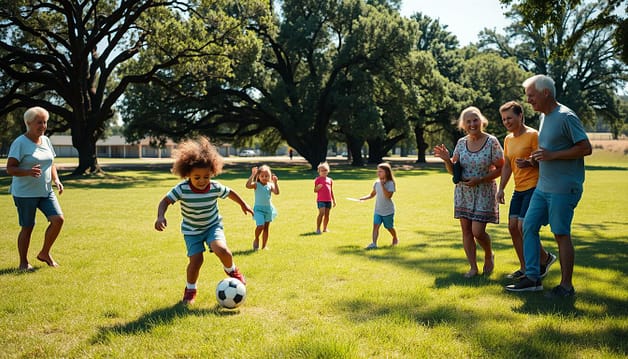
Watching professional games is different when you’re part of a local tradition. It’s not just about cheering for your team. It’s about bonding with your family over nachos and game strategies. These moments create lasting memories and inside jokes.
Town softball games and neighborhood tournaments are huge events. They draw crowds like elections do. The fun is in the simplicity, with no big sponsorships. Just great food and some questionable refereeing.
These traditions keep community spirit alive. They connect families across generations. Grandparents teach their grandkids the same cheers, creating a special bond.
It’s amazing to see families come together for snacks and games. Family sports are more than just playing. They are a way to preserve our community’s history.
Building Social Connections
Silicon Valley promises digital communities, but sports offer real human connection. You don’t need Wi-Fi to make friends on the field. I’ve seen people form deep bonds during breaks, more than in a year of scrolling.
The True Sport report shows what our grandparents knew: team sports build strong communities. They help youth develop social support. The struggle against opponents and referees creates bonds that algorithms can’t match.
Kids learn teamwork on the field, while parents build networks on the sidelines. Shy accountants become sideline strategists, and quiet engineers become carpool experts. The field is a place where everyone is equal, except for snack duty dates.
These community bonds go beyond the game. Business deals are made on napkins during breaks. Parents exchange advice during timeouts. The CDC says shared activities strengthen community ties more than digital interactions.
The data is clear, but real-life experiences speak louder. A shy teenager becomes a team captain. A parent who avoids PTA meetings becomes a team photographer. Sports create communities where people find their roles and friends.
| Social Setting | Digital Connections | Sports Community Bonds | Impact Duration |
|---|---|---|---|
| Online Networks | High quantity | Low authenticity | Temporary |
| Workplace | Professional focus | Limited personal depth | Job-dependent |
| Sports Communities | Organic growth | High emotional investment | Long-lasting |
| Neighborhood | Variable engagement | Shared experience foundation | Multi-generational |
The magic happens in unscripted moments. Collective groans at bad calls, spontaneous high-fives, and shared sunscreen. These moments strengthen our social bonds more than any algorithm.
In a world where we’re more connected yet isolated, sports are a real way to connect with neighbors. The bonds formed through sports are real, not just likes or follows.
Best Practice Examples
Forget about theories – the real magic is in action. I’ve tested more family sports than a suburban soccer mom’s minivan can hold. Now, I’ve got the ultimate playbook for you.
Ultimate frisbee is all about everyone getting involved. Capture the flag turns your backyard into a strategic battlefield. Here, grandparents can outsmart teenagers.
Rowing teaches rhythmic teamwork that helps families communicate better. The key? Mixed-age leagues where winning is less important than playing together.
“Reverse” games where kids coach adults are hilarious. They boost family wellness through laughter.
Volleyball is more about keeping the rally going than spikes. Softball becomes a celebration for all ages, with more high-fives than home runs. These games offer wellness benefits that last long after the game.
The real win isn’t about winning. It’s about families talking and laughing together on the way home. They’re already planning their next game.