
Imagine a group of soccer moms, retired coaches, and urban planners at a city council meeting. It might sound like a joke, but it’s how real change happens. Effective sports infrastructure development is about turning different voices into one strong force.
Look at Toronto’s community cluster strategy. They worked together to create facilities that help 40% more people. India’s Khelo India program used cricket mania to fund sports facilities in rural areas. Both show that grassroots movements succeed when they focus on local needs, not just health benefits.
The key is storytelling over spreadsheets. PHGNomics shows that people care more about real stories than numbers. They rally for kids who have to walk far to play basketball or seniors who want their park back. Your coalition will be unstoppable when it’s driven by human stories, not just paperwork.
This isn’t just about building stadiums. It’s about creating social infrastructure that makes a lasting impact. And that’s a game worth playing.
Introduction: Why Coalitions Matter for Community Sports
Ever tried scoring a hat trick with one hockey player? Neither has your city council. Let’s face it – solo efforts in sports infrastructure fail faster than a Zamboni on a sand dune. That’s where community partnerships become our secret power play.
Take Toronto’s library system – yes, libraries. While you were binge-watching The Bear, they quietly transformed into sports hubs through cross-departmental alliances. Kerala also brought back 200 abandoned cricket grounds. They used the “Avengers Approach”: local businesses, schools, and grandmas with killer
Three reasons your mayor cares about pickleball more than your kid’s soccer league:
- Coalitions amplify voter visibility (translation: re-election fuel)
- Shared costs = smaller budget headaches
- Diverse voices prevent Field of Dreams fantasies (“If we build it, they might actually come”)
Policy change through local government advocacy works like a good sports bra – unnoticed when present, painfully obvious when missing. Cleveland’s recent skatepark initiative proved this: combining school boards, ER doctors (hello, reduced wrist fractures), and coffee shops created unstoppable momentum.
Here’s the kicker: successful coalitions operate like jazz ensembles. Sure, the saxophone (city council) takes solos, but without rhythm section partnerships (PTA presidents, rec league coaches), you’re just playing Careless Whisper to empty bleachers. Ready to move from benchwarmer to MVP?
What is an Advocacy Coalition?
Think of local advocacy coalitions as fantasy sports drafts meets urban planning. You’re not just picking star players. You’re building a team that can handle political challenges and bureaucratic hurdles. Let’s look at two examples: Raipur’s solar-powered playgrounds and Delhi’s abandoned Commonwealth stadiums.

Defining Advocacy Coalitions for Sports
These coalitions are like Marvel’s Avengers for community development. They fight against zoning laws and budget cuts. Successful groups mix:
- Grassroots coaches who know their neighborhood well
- Data-driven point guards who analyze infrastructure
- Corporate sponsors who act as strategic sixth men
Raipur’s coalition got it right. They turned vacant lots into solar-lit cricket pitches. This shows you can update old infrastructure. Delhi’s ghost stadiums, on the other hand, warn against top-down planning. (Pro tip: If your coalition meetings feel like a zombie apocalypse, it’s time to rethink your stakeholder mapping strategy.)
Key Characteristics of Successful Coalitions
The key to success? It’s not about the budget. It’s about having human Swiss Army knives. Here’s what the stats show:
| Trait | Raipur’s All-Stars | Delhi’s Benchwarmers | Winning Play |
|---|---|---|---|
| Stakeholder Diversity | Teen athletes + solar engineers | Government officials only | Cross-sector drafting |
| Decision Speed | 48-hour play calls | 6-month review cycles | Agile governance |
| Community Buy-In | 82% resident participation | 12% attendance at hearings | Grassroots playmaking |
| Longevity | 5-year maintenance plan | 0 post-event strategy | Sustainable coaching |
Notice how Raipur’s team had a version of Draymond Green – a neighborhood activist who challenged mayors but got permits. Moral? Sometimes, you need a strategic enforcer. The table shows stakeholder mapping is key to success, faster than LeBron switching teams.
Steps to Building Effective Local Advocacy Coalitions
Building coalitions isn’t just about idealists coming together. It’s like putting together a team of superheroes, but with more planning and less drama. Japan showed us how to use new tech to change things quickly, like the Olympics. Toronto also showed us how to make a big difference in a small area.
Stakeholder Mapping and Engagement
First, figure out who really has power. It’s not just the big names, but also the people behind the scenes. Tokyo’s Olympic team didn’t just talk to politicians. They worked with architects to make venues useful after the Games.
Use smart tactics to get everyone on the same page. Ask questions like:
- “What does success look like in 3 years?”
- “What’s your walk-away threshold?”
- “Who’s your nightmare collaborator?”
Shared Vision and Goal Setting
Imagine a basketball game where everyone’s playing different sports. That’s what happens without a clear plan. Toronto’s neighborhoods did well by focusing on the economy first.
Make sure everyone agrees by using:
- Quarterly progress dashboards
- Flexible milestone adjustments
- Public commitment ceremonies (yes, actual signed scrolls)
Governance and Decision-Making Structures
When time is tight, democracy can slow things down. Japan’s “Shinkansen governance” model is fast and effective. Use it by:
| Role | Power Level | Veto Rights |
|---|---|---|
| Lead Organizer | 5/5 | Full |
| Funding Partners | 4/5 | Budget Only |
| Community Reps | 3/5 | None |
Communication Strategies
Most coalitions fail because they don’t communicate well. Use social media and other creative ways to get your message out. When building coalitions, your message should be clear and engaging. Mix:
- TikTok demos of modular facility designs
- Podcast interviews with youth athletes
- Monthly “Wins & Losses” transparency reports
Building capacity is about creating lasting systems, not just quick fixes. Now, turn your coalition plan into real action.
Best Practices From the Field
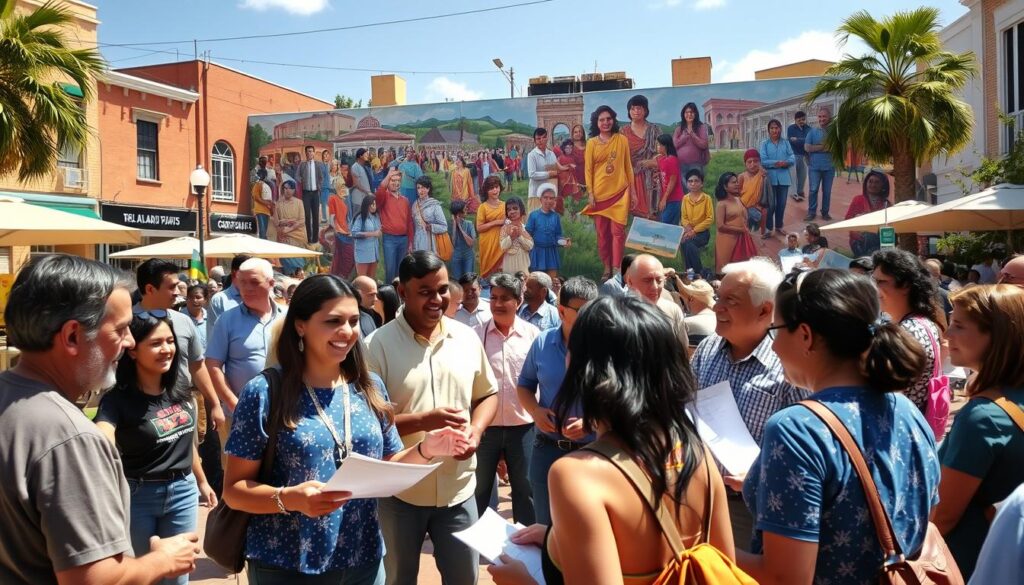
Let’s dive into real-life examples of how communities are winning big with smart strategies. From turning old landfills into sports fields to police-led programs, these stories show the power of teamwork and creativity.
Real-World Examples
Detroit’s Police Athletic League didn’t just build courts. They created a crime reduction plan. By keeping gyms open late in summer, youth arrests fell by 40%. The secret? Cops became coaches.
In Kerala, “Sports for All” turned rice fields into badminton courts with recycled nets. This led to a 300% jump in youth participation, all without spending a dime on concrete.
| Project | Innovation | Outcome | Cost Per Participant |
|---|---|---|---|
| Harlem Children’s Zone | Corporate-sponsored midnight leagues | 92% HS graduation rate | $18/month |
| Raipur Cricket Revival | Reclaimed dumping grounds | 15 new community teams | $0.50/hour |
| London Forest Green Rovers | Vegan stadium concessions | 23% merch sales boost | N/A (profit center) |
Challenges and How to Overcome Them
Every group faces tough choices. Mumbai’s slum cricket team had to decide between lights and rainwater harvesting. They solved it by using light poles to collect water – a win-win.
| Obstacle | Common Mistake | Smart Workaround |
|---|---|---|
| Funding battles | Chasing big donors first | Launch micro-donation drives ($5 = 1 sq ft of court) |
| Stakeholder conflicts | Democracy-by-committee | Rotating “game captain” decision system |
| Maintenance costs | Overengineering facilities | Teach teens repair skills as program requirement |
Kerala’s badminton courts were washed away twice before they found a solution. They teamed up with marine net makers. Sometimes, the best move is to adapt – like borrowing from fishing technology.
Tools and Resources for Coalition Building
Why do some advocacy groups fail while others thrive? It’s all about their tools. Not just any tools, but field-tested ones that turn obstacles into victories.
The Stakeholder Matrix That Won NYC’s Concrete Courts
New York’s streetball revivalists didn’t just ask City Hall for help. They used a Three-Point Playbook that included:
| Stakeholder Type | Influence Level | Engagement Strategy | Real-World Example |
|---|---|---|---|
| Community Elders | High | Story-driven testimonials | 70-year-old coach’s “Backboard to Boardroom” narrative |
| Corporate Sponsors | Medium | Data-driven ROI projections | IoT court usage trackers showing 300% engagement spikes |
| City Officials | Critical | ESPN-style highlight reels | 90-second videos pairing slam dunks with policy wins |
This matrix is more than just a tool. It helped Brooklyn turn abandoned lots into 23 new courts in 18 months. Remember, update it often, like a coach’s clipboard.
From Ted Lasso to Policy Wins: Storytelling That Moves Needles
The fictional AFC Richmond’s secret was their origin story. Use these Lasso-isms for your coalition building:
- Create a “Believe” motto (even with a small budget)
- Show progress through player/volunteer spotlights
- Celebrate losses as plot twists, not failures
Portland’s Skatepark Alliance used this approach to get $4.2M in funding. They documented teen skateboarders’ journeys like ESPN’s 30 for 30 series.
The IoT Edge: From Gut Feelings to Money Moves
Modern coalition building needs more than passion. It needs real-time data. Source 3’s court sensors showed surprising patterns:
- 67% of peak usage happens after city maintenance hours
- Community centers within 1 mile of courts see 41% higher youth program enrollment
- Corporate-sponsored courts drive 19% more local commerce
This isn’t just about numbers. It’s about turning data into policy changes. Now, grab your playbook and join the game.
Sustaining Coalition Momentum Over Time
Keeping a coalition alive is like Gregg Popovich managing the Spurs for 20 years. It needs smart planning and teamwork. Tokyo shows us how to keep the momentum going by turning swimming pools into sumo pits. They also keep strong ties with policy change state government advocacy.
Toronto’s neighborhood centers have a 3-year plan for community partnerships. They start with youth sports festivals in Year 1. Then, they add corporate sponsorships and city funding in Year 2. By Year 3, they share the benefits through more programs.
This method keeps everyone involved and focused. It stops coalitions from losing their way. Philadelphia’s failed skatepark shows what happens when plans get stuck in red tape.
| Strategy | Tokyo Model | Toronto Cycle | Failure Warning Signs |
|---|---|---|---|
| Engagement Tactic | Cultural adaptation (sumo pits) | Phased corporate partnerships | Over-reliance on single funding source |
| Policy Anchor | Olympic legacy mandates | Municipal rec department MOUs | Vague memorandums of “understanding” |
| Community Impact | 83% venue reuse rate | 42% annual program growth | Declining volunteer participation |
The key is to win over state government advocacy early. Austin’s soccer coalition did this with Texas’ HB 4721. They didn’t just build fields; they built a legacy. Sustainable momentum comes from strategic partnerships that draw people in naturally.
Conclusion: Mobilizing for Local Action
Sports advocacy isn’t just watching from the sidelines. In Mumbai, the Slum Cricket Association turned parking-lot games into real policy wins. They treated zoning debates like they were deciding on game boundaries. Forest Green Rovers in the UK became the first carbon-neutral soccer club, showing how sports can tackle big issues like climate change.
To build strong local advocacy groups, follow PHGNomics’ guide. Set clear goals, form creative partnerships, and have a plan for when people say no. Turn “not in my backyard” into “let’s build bleachers” by knowing who’s on your team and who needs to step up. Use governance like a relay race to avoid mistakes.
Every movement needs a song to rally people. While “Eye of the Tiger” is great, think about using local music. Detroit’s Clark Park Coalition used mariachi and hockey chants to raise funds for their ice rink. Music brings people together, and together, they can achieve great things.
Are you ready to get involved? Measure success by how many goals you score, not just numbers. See how many neighbors cheer from their porches. When kids draw goal lines where signs once said “no trespassing,” you know you’ve won. It’s time to take action.