
Across the United States, a quiet geographic shift is reshaping the future of sports development. While major metropolitan areas once dominated professional expansion, a growing number of teams and leagues are now targeting smaller cities as strategic growth zones. These markets—often overlooked in past decades—are emerging as critical nodes in the national sports ecosystem, offering a combination of economic efficiency, community engagement, and infrastructure potential.
The Strategic Appeal Of Smaller Markets
For leagues and ownership groups, smaller cities present a compelling value proposition. Lower land costs, reduced operational expenses, and less competition for entertainment dollars create conditions where new teams can establish a stronger foothold.
Unlike saturated urban centers, these markets offer:
- Higher visibility for local teams
- Stronger community identity and loyalty
- Opportunities for integrated development projects
This shift reflects a recalibration of priorities. Expansion is no longer solely about reaching the largest audiences—it is about building sustainable ecosystems where teams can operate efficiently and maintain consistent support.
Infrastructure As A Catalyst For Regional Growth
The arrival of an expansion team often coincides with new infrastructure investment. Stadiums, training facilities, and surrounding developments are designed not just for sports, but as anchors for broader economic activity.

These projects frequently include:
- Mixed-use developments combining retail, housing, and public space
- Upgraded transportation and accessibility infrastructure
- Multi-sport facilities that support youth and community programming
This integrated approach transforms sports infrastructure into a driver of regional development. Rather than isolated venues, facilities become part of a larger system that stimulates economic and social activity.
Insights from recent minor league talent pipeline highlight how these investments can reshape underutilized areas into active community hubs.
Economic Impact Beyond The Stadium
The economic effects of expansion teams extend far beyond game-day revenue. In smaller cities, even modest increases in activity can produce meaningful impacts on local economies.
| Economic Area | Impact In Smaller Cities |
|---|---|
| Local Business Revenue | Increased foot traffic and spending |
| Employment Opportunities | Job creation across multiple sectors |
| Tourism | Attraction of regional visitors |
| Tax Base Expansion | Growth in municipal revenue |
These benefits are often more pronounced in smaller markets, where incremental growth can significantly influence local economic conditions.
However, the scale of impact depends on how well projects are integrated into the broader community framework.
Community Identity And Social Capital
One of the defining advantages of smaller markets is the strength of community identity. Expansion teams often become central to local culture, fostering a sense of shared ownership and pride.
This dynamic enhances:
- Attendance consistency
- Volunteer engagement and local partnerships
- Youth participation in sports programs
In many cases, teams serve as community institutions rather than مجرد entertainment entities. This role strengthens social cohesion and reinforces the value of investing in sports infrastructure.
The Role Of Accessibility In Talent Development
Smaller cities also play a critical role in expanding access to sports development pathways. By establishing teams and facilities in these regions, leagues can tap into talent pools that were previously underserved.
This localized access reduces barriers related to:
- Travel costs
- Facility availability
- Exposure to professional development environments
The expansion of regional hubs aligns with broader efforts to create more inclusive development systems. By decentralizing opportunities, the sports ecosystem becomes more representative and resilient.
Balancing Growth With Long-Term Sustainability
While smaller markets offer significant advantages, expansion must be approached with caution. Not all cities have the economic capacity or population base to sustain long-term operations.
Key considerations include:
- Market size and demographic trends
- Local economic stability
- Competition from other entertainment options
Without careful planning, expansion can lead to overextension and financial strain. The challenge lies in identifying markets where growth is not only possible, but sustainable.
Policy And Planning Alignment
The success of expansion-driven development depends heavily on alignment between leagues, local governments, and planning authorities. Infrastructure projects must be integrated into broader urban strategies to maximize their impact.
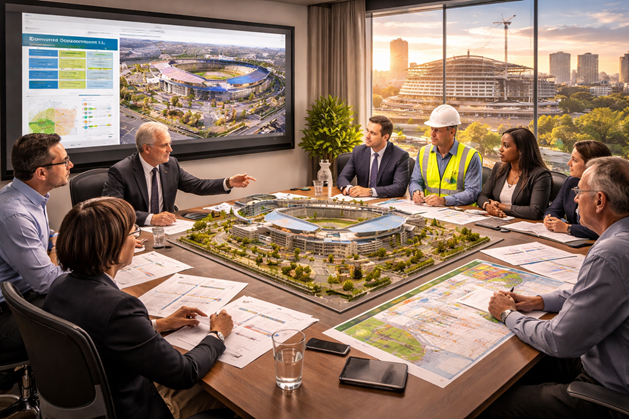
Effective approaches often include:
- Coordinated zoning and land-use planning
- Public-private partnerships with clear accountability
- Long-term investment frameworks tied to community outcomes
According to guidance from the U.S. Economic Development Administration, strategic regional planning is essential for ensuring that infrastructure investments generate sustainable economic growth.
This alignment ensures that expansion teams contribute to long-term development rather than short-term gains.
Redefining The Geography Of U.S. Sports Development
The rise of smaller cities as sports hubs represents a fundamental shift in the geography of U.S. sports. Development is no longer concentrated in major metropolitan centers—it is distributed across a broader network of regional markets.
This decentralization strengthens the overall system by:
- Reducing pressure on saturated urban markets
- Expanding access to infrastructure and opportunities
- Creating new pathways for economic and social growth
Building The Next Generation Of Sports Ecosystems
Expansion into smaller cities is more than a growth strategy—it is a redefinition of how sports ecosystems are built. By combining infrastructure investment, community integration, and strategic planning, these markets are becoming foundational to the future of development.
The success of this model will depend on balance. Growth must be matched with sustainability, and investment must align with long-term community needs.
As this shift continues, smaller cities are no longer peripheral—they are central to the evolution of American sports infrastructure and development.