
Getting funding for big projects is not just about having a good idea. It takes careful planning. The first step is to make sure you’re ready.
This means knowing exactly what your project will do and when. You need to have control over the site. And you must have a plan to get any extra money needed.
It’s also important to know the local rules and permits. These are not just red tape. They show if your organization can handle the project.
Starting to look for grants early is key. You need to know what you need, how much it will cost, and when it will happen. This way, you can tell if your idea is real or just a dream.
Being well-prepared shows you’re serious and your project can work. It turns looking for funding into a real business plan. This is how you move from just an idea to actually getting the money.
Prospect Research: fit, deadlines, average awards, match %, reporting asks
Getting a grant starts with good prospect research. It’s not just about listing funders. It’s about finding the right partners for your project.
Start by looking locally. Community foundations and local government programs know the area well. They can lead to better partnerships and more success than big national lists.
When looking at a funder, check a few things. First, see if their mission matches your project. Then, look at their deadlines and cycles. Is it a yearly chance or a one-time thing?
Two important numbers to look at are average award sizes and match funding percentage. This tells you if your request is fair and how much you need to contribute.
Also, know what post-award reporting asks are. How often and what kind of reports are needed? This helps with managing your project long-term.
Reading the Request for Proposal (RFP) carefully is essential. It tells you what funders look for. For example, the Conserving Black Modernism grant program has clear rules. It shows what a good application needs to include.
| Research Parameter | Key Questions to Answer | Why It Matters |
|---|---|---|
| Strategic Fit | Does our project align with the funder’s stated mission and past grants? | Funders prioritize proposals that directly advance their own goals. |
| Deadlines & Cycles | Is it a one-time RFP or a recurring program? What is the exact submission date? | Dictates the project timeline and prevents last-minute, error-prone submissions. |
| Average Award Size | What is the typical grant amount this funder awards? | Helps calibrate budget requests to be competitive and realistic. |
| Match Requirement | Is a cash or in-kind match required? If so, what percentage? | Impacts project budgeting and demonstrates broader community investment. |
| Reporting Asks | How often are narrative and financial reports due? What metrics are tracked? | Defines long-term administrative responsibility and ensures compliance. |
This careful planning turns a funding search into a smart strategy. It shapes your proposal’s story, budget, and plan for reports. Getting this right is key to a successful funding strategy for community sports or projects. It makes sure every hour spent writing is worth it.
Narrative Structure: need, solution, community voice, outcomes, sustainability
The narrative is the heart of any grant application, making a strong case for sports infrastructure investment. It’s not just a project description. It’s a formal argument that shows the urgency of the need and the effectiveness of the solution.
A good narrative follows a clear structure. It starts with identifying a problem and then offers a lasting solution. This structure gives reviewers a clear, impactful story.
The first step is to show the community need. Use data to paint a picture of the problem. For sports, this might include overcrowded fields, lack of accessible facilities, or health issues due to limited recreational space. The need should be specific and based on facts.
Then, the proposal must explain how the project solves the problem. This part moves from “what’s wrong” to “how we fix it.” It should describe the infrastructure, like a new field or lighting system, and explain why it’s the best solution. It’s important to show how the project fits with the funder’s goals.
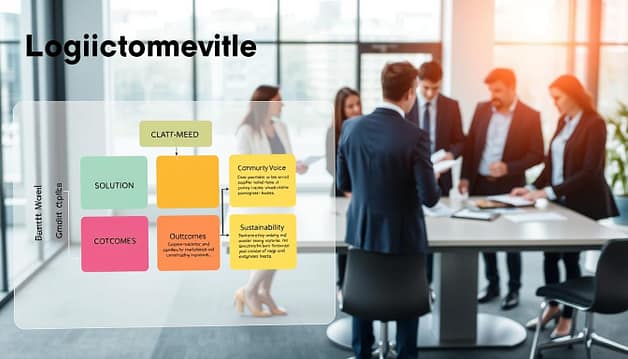
The community voice is essential. It turns a proposal into a community-driven project. Include letters of support from local groups and direct quotes from residents. This shows the project meets community needs.
It’s critical to define clear, measurable outcomes. Funders want to see results, not just activities. Outcomes should be specific, measurable, achievable, relevant, and time-bound (SMART). Examples include more youth sports, less vandalism, or better health.
The last part is sustainability. Reviewers want to know the project will continue after the grant ends. Explain how the project will be funded and maintained in the long term. This could include partnerships, rentals, or budgeting. Showing sustainability proves the project is a lasting asset.
A logic model helps make the narrative stronger. It’s a visual tool that shows how resources lead to outcomes. This model shows how the grant will lead to community impact, answering the funder’s questions.
The following table outlines the core components of a robust grant narrative structure and their key elements:
| Narrative Component | Primary Question Answered | Key Elements to Include | Connection to Logic Model |
|---|---|---|---|
| Need/Problem Statement | Why is this project necessary? | Local data, demographic studies, community surveys, gap analysis. | Defines the situation and desired long-term outcomes. |
| Proposed Solution & Activities | What exactly will you do? | Project description, timeline, design renderings, proof of concept from past similar grantees. | Corresponds to the “Activities” and “Outputs” columns. |
| Community Engagement & Support | Who wants this and why? | Letters of support, public meeting minutes, partner MOUs, volunteer commitments. | Represents key “Inputs” and stakeholder investment. |
| Intended Outcomes & Impact | What will change or improve? | SMART goals, evaluation methods, performance metrics, theory of change. | Maps directly to the “Short-term & Long-term Outcomes” section. |
| Sustainability Plan | How will it last beyond the grant? | Future funding sources, operational budget, maintenance agreements, capacity-building. | Ensures the long-term outcomes are enduring. |
When writing the executive summary and conclusion, keep this structure in mind. The summary should briefly summarize the argument. The conclusion should highlight the project’s alignment with the funder’s mission and its impact. This leaves a lasting impression.
By focusing on need, solution, voice, outcomes, and sustainability, grant writers create a compelling narrative. This structured approach turns a complex project into a clear, fundable story of community progress.
Budgets and Match: line items, in-kind, life‑cycle costs
A good grant budget is more than just listing expenses. It combines line-item details, match commitments, and long-term costs. This financial plan must match the project’s story, showing every dollar’s purpose clearly.
A detailed budget breaks down costs into clear categories. Funders want to see money for things like staff, equipment, and services. Each cost must be explained and linked to a specific project task.
Smart budgeting spreads funds across different areas. For instance, $90,000 might go to planning, $45,000 to equipment, and $15,000 to indirect costs. This shows careful financial planning.
Getting the match right is also key. It shows community support and the project’s readiness. It usually includes both cash and non-cash donations.
Cash match means money from the applicant or partners. In-kind donations are non-monetary, like volunteer time or donated goods. It’s important to value these fairly to be credible.
Good proposals plan for matches early. This shows the project has wide support, not just grant money.
Constructing a Complete Budget Framework
The table below shows a budget for a sports complex, with key areas and their roles.
| Budget Category | Description | Example % of Total | Strategic Purpose |
|---|---|---|---|
| Planning & Design | Architectural fees, feasibility studies, permit applications | 60% | Ensures project viability and community alignment before construction. |
| Capital Expenses | Construction materials, field turf, lighting systems, equipment | 30% | Funds the physical infrastructure and tangible assets of the project. |
| Indirect Costs | Administrative overhead, insurance, accounting | 10% | Covers essential operational support, demonstrating full cost understanding. |
Thinking about life-cycle costs shows great planning. These are ongoing costs for upkeep, operations, and repairs after the project is done. Proposals should have a plan for these future costs.
Including life-cycle estimates shows good planning and responsibility. It tells the funder the facility will be cared for, avoiding future financial problems. This makes a proposal stronger.
A good budget is more than numbers. It tells a story of responsibility, planning, and commitment. It turns dreams into real, financially solid projects that funders can trust.
Attachments: Maps, Renderings, Letters of Support (Who and How to Ask)
Letters of support, site maps, and professional renderings are key. They turn a proposal into a real promise. These attachments show that the plan and budget are just the start.
A good supplemental package boosts credibility. It answers questions before they are asked. It shows the project can work and fits with the community.

Important visual aids are detailed site maps and architectural renderings. They must be clear and professional.
Maps should show property lines, existing buildings, and where new projects will go. Renderings should look real and show the final design. Poor visuals can make the team seem unprepared.
The strongest non-financial attachment is letters of support. They are like third-party endorsements. They prove the project meets community needs and has strong partnerships.
Studies show that applications with real, specific testimonials are seen as more credible. They seem well-connected.
Getting these letters right is key. Start by finding influential people whose support matters to the funder.
- Elected officials (city council members, county commissioners)
- Community coalition leaders and heads of local non-profits
- School district superintendents and athletic directors
- Local business association presidents
- Recognized youth sports organization directors
When asking for a letter, be clear and easy. Give the stakeholder a brief that includes the funder’s name, the project’s goal, and 2-3 key points.
This helps them write a strong letter. Emphasize how the project fits with their mission or interests.
Plan ahead for collecting letters. It takes time to find, contact, and follow up with stakeholders.
Start asking for letters of support 4-6 weeks before the deadline. This allows for busy schedules and ensures all documents are ready.
Each letter should be on official letterhead, signed, and addressed correctly. Having letters from different sectors like government, education, and business shows wide support.
Equity Lens: who benefits and how you’ll measure it
Funders now want proof that projects will help reduce disparities. An equity lens helps meet this need. It turns good ideas into solid plans for making a difference for everyone.
First, you must clearly say who will get help. Saying “the community” is not enough. You need to name often underserved groups. This includes:
- Youth from low-income households
- Individuals with disabilities
- Seniors on fixed incomes
- Residents of specific, historically excluded neighborhoods
Then, explain how you will help these groups. This could be through cheaper membership, sports for everyone, or finding the right place for your facility.
Next, you must measure your success. It’s important to tell the difference between what you do and the real change it makes. For example, giving swimming lessons is an activity. But if more kids in a poor area learn to swim, that’s a real change.
Good monitoring looks at three main things:
- Access: Who uses your facility or program.
- Participation: How often and for how long people from target groups get involved.
- Perceived Benefit: What people think of your program and how it helps the community.
This method is like successful grants that focus on making a difference. For example, the Conserving Black Modernism program aims to highlight Black architects. It shows how to focus on equity in sports infrastructure grants.
Seeing this monitoring as a strategic choice shows you’re serious about making a difference. It proves to funders that you’re committed to helping the community. A strong equity lens turns a grant into a partnership for lasting change.
Submission Workflow: timeline, roles, reviews, portals
Grant submission deadlines are set in stone. So, a detailed timeline is essential for anyone serious about grants. This phase needs strict project management to turn documents into a strong application.
A smooth submission workflow starts with a countdown from the deadline. Teams must plan for writing, editing, budgeting, and uploading. Don’t forget the time needed for the last 72 hours.
Having a single, focused leader is key. This person manages the timeline and keeps everyone on track. Their role is critical for meeting deadlines.
Clear roles prevent confusion and ensure tasks are done. Roles include the writer, budget developer, technical editor, and submitter. Writing down these roles and deadlines helps everyone stay accountable.
The review process has several stages. First, a review checks the narrative and argument. Then, a compliance review ensures all guidelines are followed. Lastly, a copy edit fixes any grammar mistakes. Each step needs a reviewer with the right skills.
Using online grant portals requires technical know-how. Teams should set up accounts early and learn the portal’s rules. A test submission can avoid technical issues at the last minute.
A well-planned workflow avoids mistakes that can disqualify a proposal. It ensures the application’s quality is not ruined by errors. This careful approach is what makes a grants team successful.
Post‑Award: kickoff, compliance calendar, invoicing
The post-award period turns a proposal into a real project. It needs a clear plan for administration and following rules. This phase is about careful work, not just writing.
Accepting grant funds means agreeing to legal and financial rules. It’s a big deal.
A kickoff meeting is the first big step. It brings the project team, finance, and leaders together. They discuss the project’s goals, timeline, and what the funder wants.
This meeting sets up who does what and how to talk. It’s the start of working together well.
Then, there’s a meeting with the funder. It’s to make sure everyone understands the award. They talk about how to keep in touch and any questions.
A grant management plan is key. It’s a compliance calendar that keeps track of everything. It’s better than relying on memory.
This calendar should list:
- All financial reporting deadlines.
- Dates for progress reports.
- Times for project evaluations or site visits.
- Deadlines for matching funds or in-kind contributions.
- Times to share big updates or challenges with the funder.
Creating this calendar means reading the grant agreement carefully. Every rule must be noted and someone must be in charge of it. Today, digital calendars or project management tools help keep everyone on the same page.
Knowing what you have to do before you accept funds is essential. The table below shows what to do before and after accepting funds.
| Pre-Acceptance Review | Post-Acceptance Action |
|---|---|
| Check all reporting needs and formats. | Put all deadlines in the compliance calendar. |
| Make sure you can meet matching fund needs. | Set up ways to track and document match. |
| See how much staff time is needed for reports. | Plan who does what and how much time they need. |
| Look at any rules on how funds can be used. | Tell the project and finance teams about these rules. |
Invoicing and fund drawdown are important for the project’s money. You must follow the funder’s rules for money. Each invoice must show how expenses match the budget.
Keeping good financial records is important. It’s not just about money. It’s about being responsible and keeping the funder’s trust. Finance staff should be part of the post-award team from the start.
Good post-award management means being proactive and organized. A good kickoff, a compliance calendar, and clear invoicing rules are key. This way, you keep your promise, protect your reputation, and make sure the project works as planned.
Reusable Library: boilerplates, data points, photo bank
Grant writing for sports infrastructure is more than just one application. It’s about creating a lasting system. A library of reusable assets turns a one-off effort into a strategic plan.
Narrative boilerplates are at the heart of this library. Experts craft flexible templates for various projects, like field updates or new equipment. These templates are made for different grantmakers, saving time and keeping messages consistent.
Having a collection of up-to-date data is essential. Organizations should keep records of community needs, participation rates, and economic benefits. This data, along with examples of past successes, strengthens proposals.
A photo bank with high-quality images and designs is also vital. It shows the current state of facilities and proposed improvements. These visuals help tell the story of community needs and success.
This knowledge base boosts grant writing efficiency. It lets teams quickly respond to funding chances with precision. The reusable library is a cornerstone of long-term success.