FAQ
Q: What are sustainable sports facilities?
A: Sustainable sports facilities are designed to minimize environmental impact while promoting health and well-being. They use eco-friendly materials, energy-efficient systems, and incorporate green spaces to create a healthier environment for athletes and spectators.
Q: How do sustainable sports facilities contribute to environmental conservation?
A: Sustainable sports facilities contribute to environmental conservation by reducing energy consumption, using renewable energy sources, and implementing waste reduction strategies. They also incorporate green spaces and promote eco-friendly practices to minimize their ecological footprint.
Q: What are the benefits of sustainable sports facilities?
A: Sustainable sports facilities offer numerous benefits, including improved air quality, reduced carbon emissions, and enhanced water conservation. They also promote physical activity, support local communities, and contribute to the overall well-being of athletes and spectators.
Q: How can sustainable sports facilities be integrated into urban planning?
A: Sustainable sports facilities can be integrated into urban planning by incorporating green spaces, promoting eco-friendly transportation options, and designing facilities that minimize environmental impact. This approach helps create a healthier and more sustainable urban environment.
Q: What are some examples of sustainable sports facilities?
A: Examples of sustainable sports facilities include the Solar Sports Complex in India, the Green Sports Stadium in China, and the Eco-Friendly Sports Center in Brazil. These facilities showcase innovative designs and eco-friendly features that contribute to environmental conservation.
Q: How can sustainable sports facilities be maintained and operated?
A: Sustainable sports facilities can be maintained and operated through regular maintenance practices, energy-efficient systems, and waste reduction strategies. By implementing these practices, facilities can ensure long-term sustainability and minimize environmental impact.
Q: What is the future of sustainable sports facilities?
A: The future of sustainable sports facilities is promising, with ongoing advancements in technology and design. As more facilities embrace sustainable practices, they will contribute to environmental conservation, promote physical activity, and create healthier environments for athletes and spectators.
Baseline Audit: Energy, Water, Waste, Materials
Think of your community stadium or rec center as a patient in a clinic. You wouldn’t just hand it aspirin and hope for the best. You’d run tests. You’d get a full history. This audit is that detailed check-up—the MRI that shows not just symptoms, but the whole health of your operation.
We’re moving from vague guesses to detailed data. It’s like going from saying “our utility bills are high” to knowing exactly which 3 AM concession freezer is the energy hog. This process, inspired by the holistic “complete parks system” view, makes you see your facility as a key part of your community’s resource flow.
The aim isn’t just to count costs. It’s to create a solid foundation. The data you gather here will be the base for every grant, budget, and future success. Let’s check the four vital signs.
Your audit looks at four key systems. Ignoring one is like a doctor checking your pulse but forgetting to listen to your lungs.
| Audit Pillar | The Key Questions | Data to Collect | Tools & Methods |
|---|---|---|---|
| Energy | Where does our power go? Is our HVAC system a relic from the disco era, guzzling kilowatt-hours like Pac-Man on steroids? When are our peak demand charges? | 12 months of utility bills (kWh, demand kW). Sub-meter data for lighting, HVAC, appliances. Runtime schedules for major equipment. | Utility bill analysis, walk-through audit with a thermal camera, data loggers on circuits, benchmarking against similar facilities. |
| Water | How many gallons of drinking water are we using to water a field that could host a drought-tolerant native grass party? What’s the leak situation? | Water bills (ccf/gallons). Irrigation schedules and run times. Fixture counts (toilets, urinals, sinks, showers). | Water bill analysis, irrigation system inspection, sub-metering if possible, fixture flow rate testing. |
| Waste | What’s in our dumpsters? Is it more plastic water bottles than a bad reality TV show? What percentage could be composted or recycled? | Waste hauling invoices (frequency, volume). Composition analysis (% landfill, % recycling, % organics). Contamination rates in recycling streams. | Waste sort audit (wear gloves!), tracking waste generation per event, vendor packaging assessments. |
| Materials & Indoor Air | Are we using paints, cleaners, and adhesives that would make a chemist wince? What’s the VOC level in our locker rooms? | Inventory of cleaning products, paints, sealants. Maintenance records for floor coatings and equipment. Any existing IAQ complaints. | Reviewing product SDS (Safety Data Sheets) for VOC content, identifying low-VOC alternatives, assessing material sustainability (recycled content, durability). |
This table isn’t just a checklist; it’s a conversation starter. That energy efficiency stadium dream begins in the “Data to Collect” column. You can’t manage what you don’t measure.
Turning Data into Your Superpower
Collecting this intel might feel overwhelming. Start simple. Grab those utility bills. Do a Friday afternoon dumpster dive (metaphorically, or literally with a team). Talk to your custodial staff about what chemicals they use.
The magic happens when you connect the dots. That high water bill might trace back to a leaky irrigation line, which also explains the soggy, energy-draining field house. The data creates a story—a compelling, fact-based narrative about waste, cost, and opportunity.
This baseline is your before picture. It’s the unvarnished truth about your facility’s current environmental footprint. With it, you can prioritize projects with surgical precision. You can prove that investing in a new energy efficiency upgrade for the stadium lights isn’t an expense; it’s a payback calculation with a clear ROI.
Skip this step, and you’re navigating in the fog. Do the audit, and you have a map. Every sustainable win that follows—from LED retrofits to solar panels—starts right here, with the courage to look at the numbers.
FAQ
Q: What is a sustainable recreation center?
A: A sustainable recreation center is a facility that focuses on environmental conservation and uses eco-friendly practices. It aims to minimize its impact on the environment while providing recreational activities for the community.
Q: What are the benefits of a sustainable recreation center?
A: Sustainable recreation centers offer numerous benefits, including promoting environmental conservation, reducing carbon footprint, and providing a healthy and safe environment for recreation. They also contribute to community development and foster a sense of responsibility towards the environment.
Q: How can I start building a sustainable recreation center?
A: To start building a sustainable recreation center, you can begin by conducting a feasibility study to assess the demand and resources available. Then, develop a detailed plan that includes sustainable design principles, energy-efficient systems, and eco-friendly materials. Collaborate with local organizations and seek funding opportunities to support your project.
Q: What are some sustainable design principles for a recreation center?
A: Sustainable design principles for a recreation center include using natural light and ventilation, incorporating green spaces, and utilizing renewable energy sources. It is also important to design the center with accessibility and inclusivity in mind, ensuring that it is accessible to people of all abilities.
Q: How can I incorporate energy-efficient systems in my recreation center?
A: To incorporate energy-efficient systems in your recreation center, you can install solar panels, LED lighting, and energy-efficient HVAC systems. These systems help reduce energy consumption and lower utility costs, contributing to a more sustainable facility.
Q: What are some eco-friendly materials I can use in my recreation center?
A: Some eco-friendly materials you can use in your recreation center include reclaimed wood, bamboo, and low-VOC paints. These materials have a lower environmental impact compared to traditional materials and contribute to a healthier indoor environment.
Q: How can I promote environmental conservation in my recreation center?
A: To promote environmental conservation in your recreation center, you can implement recycling programs, encourage the use of public transportation, and provide educational resources on sustainability. These initiatives help raise awareness and encourage community members to adopt environmentally friendly practices.
Q: How can I involve the community in my sustainable recreation center project?
A: To involve the community in your sustainable recreation center project, you can organize community events, engage in outreach programs, and encourage volunteer participation. By fostering a sense of ownership and collaboration, you can build a strong and supportive community around your project.
Q: What are some funding opportunities available for sustainable recreation centers?
A: There are various funding opportunities available for sustainable recreation centers, including grants, sponsorships, and crowdfunding campaigns. Research and explore these options to find the best fit for your project and secure the necessary funding to bring your vision to life.
FAQ
Q: What is the eco-friendly sports complex?
A: The eco-friendly sports complex is a sustainable sports facility that combines environmental responsibility with sports activities. It aims to reduce environmental impact while providing a fun and engaging experience for athletes and spectators.
Q: What are the benefits of an eco-friendly sports complex?
A: An eco-friendly sports complex offers several benefits, including reduced environmental impact, energy efficiency, and the use of sustainable materials. It also promotes a healthier and more sustainable lifestyle for athletes and spectators.
Q: What are some examples of eco-friendly sports facilities?
A: Some examples of eco-friendly sports facilities include the Solar Sports Complex in California, the Green Stadium in Germany, and the Eco-Arena in Poland. These facilities incorporate sustainable design, renewable energy sources, and green technologies to minimize their environmental footprint.
Q: What are the key features of an eco-friendly sports complex?
A: An eco-friendly sports complex typically features sustainable design, renewable energy sources, green technologies, and energy-efficient systems. It also incorporates recycled materials, rainwater harvesting, and waste management systems to minimize environmental impact.
Q: How can I contribute to the development of eco-friendly sports facilities?
A: You can contribute to the development of eco-friendly sports facilities by supporting organizations that promote sustainable sports infrastructure. You can also participate in environmental initiatives, such as clean-up events, tree planting, and recycling programs, to help create a greener sports environment.
Q: What are the benefits of eco-friendly sports facilities?
A: Eco-friendly sports facilities offer several benefits, including reduced environmental impact, energy efficiency, and the use of sustainable materials. They also promote a healthier and more sustainable lifestyle for athletes and spectators, contributing to a greener sports environment.
Energy Efficiency in Stadium Design
Energy efficiency is a key focus in modern stadium design. By incorporating advanced technologies and sustainable materials, stadiums can significantly reduce their environmental impact. This not only benefits the planet but also helps to lower operational costs.
One of the main ways to achieve energy efficiency in stadiums is through the use of renewable energy sources. Many stadiums are now incorporating solar panels, wind turbines, and geothermal systems to generate clean energy. These systems help reduce reliance on fossil fuels and lower carbon emissions.
Another important aspect of energy efficiency in stadiums is the use of advanced lighting systems. LED lighting, for example, is highly energy-efficient and can significantly reduce energy consumption compared to traditional lighting options. These systems also offer improved lighting quality, providing a better experience for spectators.
Insulation and air sealing play a critical role in maintaining energy efficiency in stadiums. Proper insulation helps to prevent heat loss in colder climates and heat gain in warmer climates. Air sealing ensures that air leaks are minimized, reducing the need for heating and cooling systems.
Energy-efficient HVAC systems are also essential for maintaining optimal temperatures in stadiums. These systems are designed to optimize energy consumption while providing comfortable temperatures for spectators. By using advanced technologies and controls, these systems can significantly reduce energy consumption.
Water conservation is another important aspect of energy efficiency in stadiums. By implementing water-saving technologies and practices, stadiums can reduce their water consumption and lower their environmental impact. This includes using low-flow fixtures, rainwater harvesting systems, and efficient irrigation systems.
Energy-efficient transportation options are also being implemented in stadiums to reduce carbon emissions. Electric or hybrid vehicles are being used for transportation, and carpooling and public transportation incentives are being promoted to encourage sustainable travel.
By incorporating these energy-efficient technologies and practices, stadiums can significantly reduce their environmental impact and lower their operational costs. This not only benefits the planet but also enhances the overall sustainability of the stadium.
Benefits of Energy Efficiency in Stadium Design
Energy efficiency in stadium design offers numerous benefits for both the environment and the stadium’s operational costs. Some of the key benefits include:
- Reduced carbon emissions and environmental impact
- Lower energy consumption and operational costs
- Improved energy efficiency and reduced reliance on fossil fuels
- Enhanced sustainability and environmental responsibility
- Improved indoor air quality and occupant comfort
By prioritizing energy efficiency in stadium design, stadiums can contribute to a more sustainable future while providing a comfortable and enjoyable experience for spectators.
Water Stewardship (irrigation sensors, fixtures, reuse)
Forget the old sprinkler schedule. The future of field irrigation uses computers. Water is key in every part of your facility, from showers to the grass. Making it efficient turns your venue into a water-saving leader.
Outside, most water disappears. But smart irrigation controllers are changing that. These devices use weather forecasts and soil sensors to control water use. It’s like having experts always ready to guide the sprinklers.
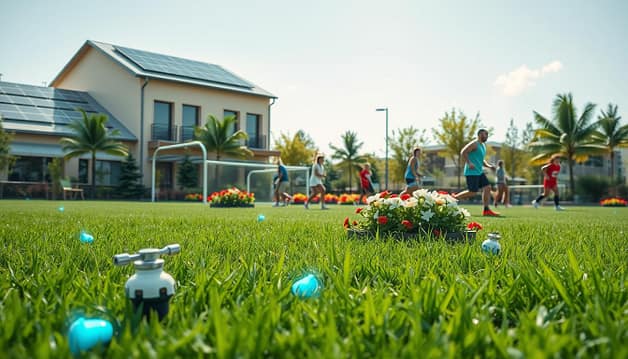
Cities like Tucson have cut water use by 30-50% with these systems. This isn’t just about saving money. It’s also a win for water-conscious politics. The tech pays off quickly.
Indoors, the locker room can waste a lot of water. Old showerheads and urinals are a problem. Replace them with low-flow options and waterless urinals.
Switching to efficient showerheads can save a lot. A standard showerhead uses 2.5 gallons per minute. A low-flow one uses 1.5. This adds up to big savings over time.
Greywater systems and rainwater harvesting are the next steps. They use water for non-potable needs and irrigation. This creates a closed-loop system that’s good for the environment.
Imagine using rainwater to water your soccer fields. It’s a self-sufficient cycle that’s great for the environment. In dry areas, it’s a big deal. It shows your community that you’re serious about saving water.
Water stewardship requires an initial investment but offers ongoing benefits. It shows your community that you care about the environment. When your facility is featured in the local paper, it’s a win-win.
Start with smart irrigation controllers, then update your fixtures. Dream about using rainwater. Each step makes your facility better. In the future, water will be key to community success. Your recreation center can lead the way.
FAQ
Q: What is the significance of the eco-friendly sports complex?
A: The eco-friendly sports complex is a symbol of sustainability and environmental responsibility in the sports industry. It showcases the importance of reducing environmental impact and promoting eco-conscious practices in sports facilities.
Q: How does the eco-friendly sports complex contribute to sustainability?
A: The eco-friendly sports complex contributes to sustainability by implementing green technologies, using renewable energy sources, and promoting eco-friendly practices. It sets a positive example for other sports facilities to follow and encourages environmental responsibility.
Q: What are some examples of eco-friendly sports facilities?
A: Some examples of eco-friendly sports facilities include the Solar Sports Complex in California, the Green Stadium in Germany, and the Eco-Friendly Arena in Japan. These facilities showcase innovative designs and sustainable features that reduce environmental impact.
Q: What are the benefits of eco-friendly sports facilities?
A: Eco-friendly sports facilities offer several benefits, including reduced carbon footprint, energy efficiency, and cost savings. They also promote environmental awareness and inspire fans to adopt eco-friendly practices.
Q: How can sports facilities reduce their environmental impact?
A: Sports facilities can reduce their environmental impact by implementing sustainable practices, such as using renewable energy sources, reducing water consumption, and implementing waste management programs. They can also incorporate green technologies and materials in their construction and maintenance.
Q: What is the role of green technologies in sports facilities?
A: Green technologies play a vital role in sports facilities by reducing energy consumption and promoting sustainability. Examples of green technologies include solar panels, wind turbines, and energy-efficient lighting systems. These technologies help sports facilities achieve energy efficiency and reduce their carbon footprint.
Q: How can sports facilities promote environmental awareness?
A: Sports facilities can promote environmental awareness by implementing eco-friendly practices, such as recycling programs, energy-efficient lighting, and sustainable landscaping. They can also educate fans and visitors about the importance of environmental conservation and encourage them to adopt eco-friendly practices.
Q: What is the future of eco-friendly sports facilities?
A: The future of eco-friendly sports facilities looks promising, with ongoing advancements in green technologies and sustainable practices. As more sports facilities embrace eco-friendly initiatives, they contribute to a greener and more sustainable sports industry.
Energy Efficiency in Stadium Design
Energy efficiency is a key focus in modern stadium design. By incorporating advanced technologies and sustainable materials, stadiums can significantly reduce their environmental impact. This not only benefits the planet but also helps to lower operational costs.
One of the main ways to achieve energy efficiency in stadiums is through the use of renewable energy sources. Many stadiums are now incorporating solar panels, wind turbines, and geothermal systems to generate clean energy. These systems help reduce reliance on fossil fuels and lower carbon emissions.
Another important aspect of energy efficiency in stadiums is the use of advanced lighting systems. LED lighting, for example, is highly energy-efficient and can significantly reduce energy consumption compared to traditional lighting options. These systems also offer better color accuracy and longer lifespan, making them a cost-effective choice in the long run.
Insulation plays a vital role in maintaining a comfortable temperature within the stadium while minimizing energy consumption. High-performance insulation materials help to reduce heat loss in winter and keep the stadium cool in summer. This not only improves the overall comfort of the spectators but also helps to lower energy costs.
Energy-efficient HVAC systems are another essential component of energy-efficient stadiums. These systems are designed to optimize energy usage while providing optimal comfort for spectators. By using advanced technologies and smart controls, these systems can adjust temperature and ventilation levels based on occupancy and weather conditions.
Water conservation is also an important aspect of energy-efficient stadiums. By implementing water-saving technologies and practices, stadiums can significantly reduce their water consumption. This not only helps to conserve this valuable resource but also reduces the energy required for water treatment and distribution.
Energy-efficient stadiums not only contribute to a greener future but also offer numerous benefits for the teams and fans. By reducing energy consumption, these stadiums can lower operational costs, allowing for more resources to be allocated to other important areas such as player development and fan experience.
Overall, energy efficiency in stadium design is a critical aspect of creating sustainable and environmentally friendly venues. By incorporating advanced technologies, sustainable materials, and energy-efficient systems, stadiums can significantly reduce their environmental impact while providing a comfortable and enjoyable experience for spectators.
Benefits of Energy Efficiency in Stadium Design
Energy efficiency in stadium design offers numerous benefits for teams, fans, and the environment. Some of the key advantages include:
- Reduced energy consumption and lower operational costs
- Lower carbon emissions and environmental impact
- Improved comfort and energy efficiency for spectators
- Enhanced sustainability and eco-friendliness
- Opportunities for cost savings and resource allocation
By prioritizing energy efficiency in stadium design, teams and owners can create sustainable and environmentally friendly venues that benefit both the planet and the fans.
Staff Training & Green Operations Manual
Think about this: a $50,000 solar array’s success can be ruined by an employee who doesn’t know how to use the monitoring dashboard. Technology gets all the attention and funding. But it’s your staff that makes sure these investments work.
This is where your sustainability program either becomes a part of your facility’s core or just a PR stunt.

Your first task is to create the Green Operations Manual. It’s like the bible for your facility’s green mission. This isn’t just another dusty binder. It’s a living guide that answers the why and the how for every role in your sustainable recreation center.
Why do we sort waste into these specific streams? How do we read the energy dashboard? What’s the right way to report a leak or a broken sensor? The manual makes these clear and consistent. It turns a single person’s passion into a team effort.
Training brings this manual to life. Everyone, from the director to the part-time lifeguards, gets trained. The training should be empowering, not just a boring lecture. You’re giving your team the power to care for their workplace and save resources.
This process is called social learning. The “Green Transition and Sport” paper shows that learning and experimenting are key. When your custodian sees the compost bin is dirty, they don’t just empty it. They suggest better signage or a team meeting to explain it again. This improves the system.
This creates a culture where everyone feels responsible. The operations manual sets the framework, but the staff makes it better every day. When a light goes out, the maintenance tech doesn’t just grab any bulb. They check the manual and order the right, energy-saving bulb. This becomes second nature.
For a step-by-step guide to building this knowledge, check out our 5-step guide to a sports industry sustainability.
What does this look like in practice? Your Green Operations Manual might include:
- Energy Protocols: Set-point schedules for HVAC, lighting zone controls, and shutdown checklists for unused areas.
- Water Stewardship Guides: How to conduct a weekly leak check, irrigation system override procedures during rain, and proper fixture cleaning to maintain flow rates.
- Waste Management Playbook: Color-coded bin guides, contamination troubleshooting, and vendor pickup schedules.
- Purchasing Standards: Approved low-VOC product lists, recycled-content paper quotas, and concessionaire sustainability requirements.
The goal is to be resilient. If the “sustainability champion” leaves, the knowledge stays. Your sustainable recreation center becomes a place of constant learning and improvement. The manual is your guide, and your trained staff are the ones making your green goals a reality every day.
KPIs, Dashboards, and Accountability
To make your local sports facility eco-friendly, you need more than good plans. You need solid data and to be accountable to the public. Just like sports teams track their performance, your facility should too.
The saying “what gets measured gets managed” is real. It’s key to making real environmental changes. Instead of vague promises, set clear, measurable goals.
Track important areas like energy use, water, and waste. kWh per square foot per month shows if you’re saving energy. Gallons of water per visitor helps find leaks. Diversion rate from landfill checks your recycling efforts.
These numbers are not just for reports. They’re your environmental score. And like any score, they should be easy to see.
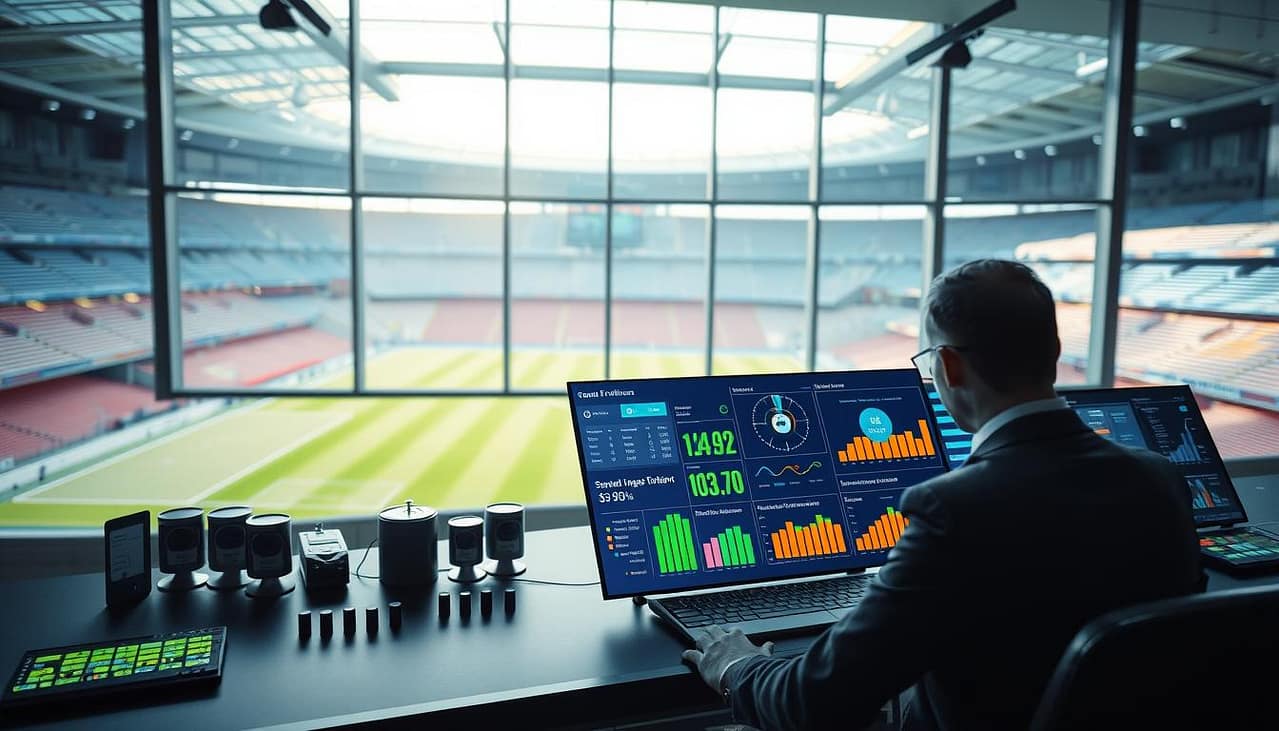
Use a dashboard to display these numbers. Make it clear and colorful. Show everyone how you’re doing better.
This way, you create a feedback loop. It’s about making changes and seeing their effects. You learn and improve over time.
Sharing data makes people care more. When parents see water savings, they support you. Local businesses might even want to help.
Being open leads to being responsible. Give these tasks to specific people. Reward them for success. This makes sustainability a part of your daily work.
Improvement is a journey, not a goal. Start with a baseline, make changes, and keep track. Your eco-friendly sports complex will always be getting better.
Your dashboard is like a game score. It shows your progress and wins. It gets your community involved. And it makes your green goals real and achievable.
This isn’t just about reporting. It’s about showing you’re serious. The facility with the best data wins the environmental race.
Energy Efficiency in Stadium Design
Energy efficiency is a key focus in modern stadium design. By incorporating advanced technologies and sustainable materials, stadiums can significantly reduce their environmental impact. This not only benefits the planet but also helps to lower operational costs.
One of the main ways to achieve energy efficiency in stadiums is through the use of advanced technologies. These technologies include energy-efficient lighting systems, smart HVAC systems, and advanced water management systems. These systems help to optimize energy consumption and reduce waste.
Sustainable materials also play a vital role in energy-efficient stadium design. Materials such as recycled steel, low-carbon concrete, and sustainable wood are used in construction to minimize environmental impact. These materials not only reduce the carbon footprint of the stadium but also contribute to a healthier indoor environment for fans and athletes.
By incorporating energy-efficient technologies and sustainable materials, stadiums can significantly reduce their energy consumption and carbon footprint. This not only benefits the environment but also helps to create a more sustainable future for sports and entertainment venues.
Benefits of Energy Efficiency in Stadium Design
Energy efficiency in stadium design offers numerous benefits. Some of the key advantages include:
- Reduced energy consumption: Energy-efficient technologies and sustainable materials help to minimize energy consumption, resulting in lower operational costs.
- Lower carbon footprint: By reducing energy consumption, stadiums can significantly lower their carbon footprint and contribute to a cleaner environment.
- Improved indoor air quality: Sustainable materials used in construction help to improve indoor air quality, creating a healthier environment for fans and athletes.
- Enhanced fan experience: Energy-efficient stadiums often incorporate advanced technologies that enhance the fan experience, such as improved lighting and temperature control.
By prioritizing energy efficiency in stadium design, we can create sustainable venues that benefit both the environment and the fans. These energy-efficient stadiums serve as a model for the future of sports and entertainment venues, demonstrating the importance of sustainability in modern design.
12-Month Implementation Roadmap
A plan without a timeline is just a wish. Your first year turns that wish into a blueprint for a genuine sustainable recreation center.
Think of it as evolutionary governance. You’re not building a rigid monument. You’re cultivating a living system. Months 1-2 assemble your green team and conduct the baseline audit. Months 3-4 deploy quick wins like LED retrofits and draft vendor standards. This creates immediate momentum, proving the concept works.
The real shift happens when you commit the funds. Like the “Complete Parks Playbook” advises, financing the system makes it real. Use months 5-6 to secure proposals for medium investments and start staff training. By months 7-8, you’re launching water stewardship projects and installing your KPI dashboard.
This isn’t a one-year sprint. It’s the first lap of a 50-year marathon. True sustainability requires a long-term operational concept, considering users, operators, and the environment for decades. As outlined in resources like the guide for Sustainable Outdoor Sports Facilities, you must embed sustainable principles early and assess the entire property holistically.
Months 9-10 begin design for a “big move” like solar PV. Months 11-12 review data, celebrate wins, and draft year two. The goal is constant, documented progress. Momentum turns your sustainable recreation center from an idea into an irreversible reality.