
In 2026, minor league sports infrastructure in the United States reached a historic inflection point. For the first time, cumulative investment in new stadiums, renovations, and multi-use sports complexes is projected to exceed $1 billion within a single development cycle. What was once a fragmented landscape of modest facilities is now evolving into a coordinated system of large-scale capital projects. This surge is not simply about upgrading venues—it signals a fundamental shift in how communities, leagues, and private investors view the role of sports infrastructure in economic and social development.
The Scale Of Investment And What It Represents
The magnitude of current spending reflects a broader transformation in expectations. Minor league facilities are no longer designed solely for seasonal competition. Instead, they are positioned as long-term civic assets capable of generating year-round activity.
Projects across baseball, soccer, and multi-sport complexes now routinely exceed $50–$150 million, with some developments integrating:
- Mixed-use real estate components
- Hospitality and retail districts
- Public gathering spaces and event venues
This scale of investment indicates a transition from incremental upgrades to system-level infrastructure planning, where facilities are embedded within larger urban and regional strategies.
From Stadiums To Integrated Development Ecosystems
Modern minor league projects increasingly function as anchors for mixed-use districts. The traditional stadium model—isolated and event-driven—is being replaced by environments designed for continuous engagement.

These integrated ecosystems often include:
- Residential units adjacent to venues
- Commercial corridors supporting local businesses
- Public plazas designed for community access
The objective is to maximize utilization and economic output beyond game days. Insights from recent hybrid development models in sports infrastructure show that facilities designed with multi-purpose functionality outperform single-use venues in both financial sustainability and community impact.
Public-Private Partnerships Driving Expansion
The $1 billion threshold would not be possible without the growing reliance on public-private partnerships (PPPs). Municipalities provide land, infrastructure support, and financing mechanisms, while private developers and team ownership groups contribute capital and operational expertise.
| Stakeholder | Contribution | Strategic Objective |
|---|---|---|
| Local Governments | Land, zoning, financing tools | Economic development |
| Private Developers | Capital investment, mixed-use planning | Long-term revenue generation |
| Team Ownership | Operational management, brand activation | Competitive and financial growth |
| Community Organizations | Programming and local engagement | Social impact |
This collaborative model allows projects to reach scales that would be unattainable through single-source funding. However, it also introduces complexity in governance and accountability.
Economic Impact And The Promise Of Returns
Proponents of large-scale investment argue that modern sports infrastructure acts as a catalyst for local economies. By attracting events, visitors, and private development, these projects are expected to generate significant returns.
Key areas of impact include:
- Job creation during construction and operations
- Increased tourism and regional visibility
- Expansion of local tax bases
Yet the actual return on investment varies widely. While some projects successfully stimulate surrounding development, others struggle to meet projected economic benchmarks.
The challenge lies in distinguishing between new economic activity and redistributed spending, a critical factor in evaluating long-term value.
The Risk Profile Of Rapid Expansion
Crossing the $1 billion threshold also amplifies risk. As more cities invest in similar projects, competition for events, teams, and audiences intensifies.
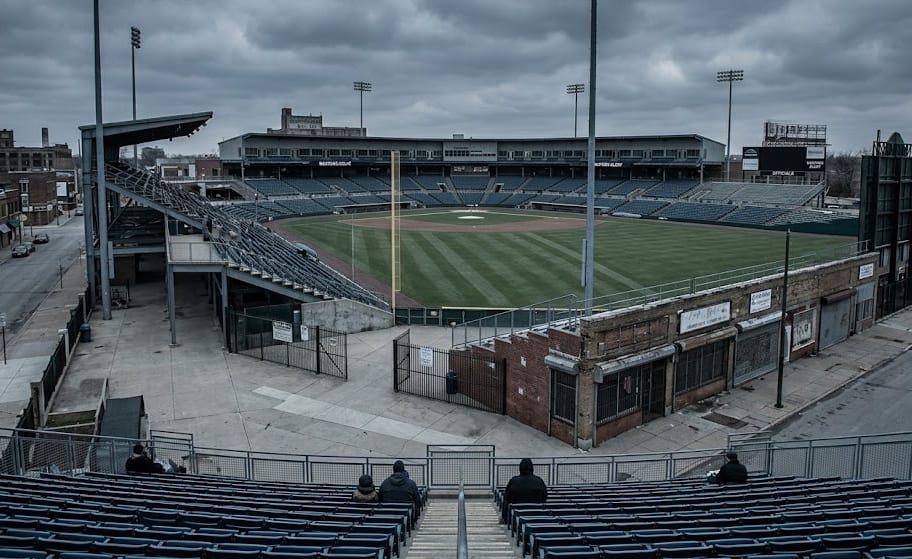
Potential risks include:
- Underutilization of facilities
- Long-term municipal debt obligations
- Overestimation of demand
These concerns are particularly relevant in mid-sized markets, where economic capacity may not support multiple large-scale venues.
Recent analysis of minor league economic sustainability trends highlights the importance of aligning investment levels with realistic market projections.
Infrastructure Standardization And League Requirements
One of the drivers behind the current investment surge is the tightening of facility standards across leagues. Major League Baseball’s 2021 restructuring introduced new requirements for minor league facilities, prompting widespread upgrades.
These standards include:
- Improved player amenities
- Enhanced safety and accessibility features
- Upgraded lighting and field conditions
While these changes improve player experience and operational quality, they also increase the financial burden on host communities.
This dynamic underscores the growing influence of league governance on local infrastructure decisions.
Sustainability And Long-Term Viability
As investment scales increase, sustainability has become a central consideration. Modern projects are incorporating environmentally conscious design elements, including energy-efficient systems and water management strategies.

According to the U.S. Green Building Council guidelines, integrating sustainable design into large-scale developments can significantly reduce lifecycle costs and environmental impact.
For minor league facilities, sustainability is not only an environmental concern—it is a financial one. Efficient infrastructure reduces operational expenses and enhances long-term viability.
Community Impact And Access Considerations
The success of these investments ultimately depends on their impact at the community level. Facilities that prioritize accessibility and programming can deliver meaningful social benefits, including:
- Expanded opportunities for youth participation
- Increased availability of public recreational space
- Strengthened community identity
However, these outcomes require intentional design. Without dedicated access policies, facilities risk becoming exclusive venues focused primarily on professional events.
Lessons from community sports facility access strategies demonstrate that inclusive planning is essential for maximizing public value.
A Turning Point For Sports Infrastructure Strategy
The $1 billion milestone represents more than a financial benchmark—it marks a turning point in how sports infrastructure is conceptualized and implemented in the United States.
The shift toward large-scale, integrated developments reflects a broader trend:
- Infrastructure as economic engine
- Facilities as multi-use community assets
- Investment as long-term strategy rather than short-term upgrade
This transformation places greater responsibility on planners, policymakers, and stakeholders to ensure that projects deliver sustained value.
Balancing Opportunity With Accountability
As investment continues to accelerate, the need for accountability becomes increasingly critical. Transparent governance, realistic financial modeling, and community-focused planning must guide decision-making.
The future of minor league infrastructure will depend on the ability to balance ambition with discipline—leveraging the opportunities of large-scale investment while mitigating the risks associated with rapid expansion.
In this new era, the success of these projects will not be measured solely