

The MLB Trade Deadline passed on August 3, 2026, and its clearest postseason impact has been roster fit rather than deadline noise. The confirmed moves cited here show buyers addressing specific gaps: Boston added a catcher, Philadelphia added contact and bullpen help, San Diego added rotation depth, and Miami tried to balance near-term contention with longer-range roster value.
This analysis is limited to the documented facts in the cited reports. Some deadline claims circulated across projection markets and team-by-team models, but the useful question for community sports planners and baseball readers is narrower: which moves changed how clubs can survive September pressure, and what can local programs learn from the way professional teams diagnose needs before spending resources?
MLB Trade Deadline Signals From Buyers
The August 3 deadline separated clubs that needed one narrow fix from clubs that needed several layers of insurance. Boston, Philadelphia, and San Diego each acted like a team trying to reduce a specific postseason risk. The Red Sox traded for three-time All-Star catcher Adley Rutschman from Baltimore; Rutschman carried a .762 OPS in 2026 and remained under team control through 2027. The Phillies added batting champion Luis Arraez and reliever Brooks Raley, while the Padres acquired starting pitchers Robbie Ray and Casey Mize, according to the AP trade deadline report.
MLB Trade Deadline Deals With Clear Needs
Boston#8217;s move was not just a short-term standings play. A catcher under team control through 2027 affects lineup planning, pitching staff continuity, and how a front office can allocate future payroll or prospect capital. That matters in a postseason race because catchers influence the daily structure of a club: game-calling, pitcher usage, rest patterns, and lineup balance. The available data here does not prove Boston improved by a fixed number of wins, but it does support the idea that Boston targeted a premium position rather than a depth-only upgrade.
Philadelphia#8217;s additions point in a different direction. Arraez addressed contact and batting skill, while Raley addressed bullpen coverage. That combination is common for a club expecting tight October-style games: shorten offensive droughts, then protect narrow leads. San Diego#8217;s acquisitions were even more direct. Ray and Mize gave the Padres more starting options, which can matter in September if doubleheaders, short outings, or fatigue compress a staff.
| Club | Confirmed Addition | Postseason Race Use |
|---|---|---|
| Red Sox | Adley Rutschman | Premium catching, lineup stability, control through 2027 |
| Phillies | Luis Arraez, Brooks Raley | Contact hitting and bullpen support |
| Padres | Robbie Ray, Casey Mize | Starting pitching depth for a tight race |
Marlins Strategy Shows A Different Path
Not every deadline decision fits the simple buyer-or-seller label. Miami is the useful case because the club entered the deadline with a measurable chance to stay involved, but also made moves that suggested future planning. MLB.com reported that the Marlins entered with a 23.4% postseason chance via FanGraphs and were still 1½ games out of the second NL Wild Card spot after moving key assets such as Liam Hicks and Braxton Garrett, as noted in the MLB.com Marlins outlook.
Contention Without Emptying The System
Miami#8217;s position shows why deadline analysis should avoid treating every trade as a referendum on ambition. A club can reduce future risk while still keeping enough major league capability to compete. The Marlins were close enough to the Wild Card race that a full retreat would have been hard to justify from a baseball operations standpoint. At the same time, the research notes indicate they sought longer-term gains while trying not to abandon the 2026 chase.
That is one reason the MLB Trade Deadline is such a useful case study for community baseball leaders. The best decision is not always the biggest purchase, the loudest announcement, or the move that produces immediate attention. Sometimes the right move is to protect participation capacity, preserve coaching bandwidth, and avoid using every asset on a short-term push.
Postseason Pressure Points For Contenders
After the MLB Trade Deadline, the key postseason pressure points were less about who won the news cycle and more about who solved a real baseball problem. Teams that added starting pitching bought optionality. Teams that added bullpen arms bought late-inning coverage. Teams that added contact hitting bought more ways to score when power is unavailable or opposing pitching limits home-run damage.
Rotation Depth Has A September Premium
San Diego#8217;s acquisition of two starters is the cleanest example from the cited transactions. Starting depth has value even when a new pitcher does not become a postseason ace. It can protect a bullpen from repeated heavy use, create match-up choices, and help a manager avoid forcing tired arms into high-leverage innings. That can matter in a Wild Card chase where a single bad week can alter seeding or erase a margin.
Philadelphia#8217;s Raley addition reflects the same run-prevention logic from a different angle. Relievers are volatile, and no deadline arm removes that uncertainty. Still, an extra trusted option can spread workload and reduce the chance that one overused pitcher becomes the failure point in late September. The supported record here does not say how each player performed after the trade; it does show what need each front office tried to answer.
Lineup Fit Matters More Than Star Labels
Rutschman and Arraez also show two forms of offensive targeting. Rutschman offered Boston a premium-position bat with future control. Arraez offered Philadelphia a batting champion profile and a different offensive texture. For postseason planning, that distinction matters. A lineup built only on power can stall against high-end pitching. A lineup with contact options can create traffic, extend innings, and force defensive execution.
Community Baseball Lessons From Deadline Moves
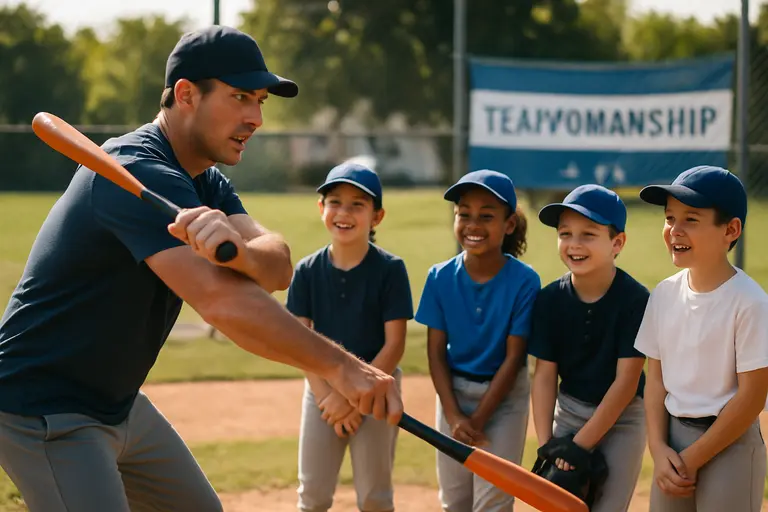
A professional club#8217;s MLB Trade Deadline strategy cannot be copied directly by a community program. Local sports organizations usually do not trade players or absorb major salaries. But the decision process is still useful: define the gap, check whether the fix matches the mission, and consider future cost before making a visible move.
A Practical Roster And Access Audit
Community baseball leaders can borrow three questions from deadline behavior: What problem are we trying to solve? Who benefits if we spend this resource? What participation cost appears later? For example, a local league deciding between new equipment, coach education, field access, or travel support should not start with the flashiest option. It should start with the barrier most likely to keep children, disabled athletes, low-income families, or new participants off the field.
- Identify the constraint: Is the issue coaching, transportation, adaptive equipment, field time, or registration cost?
- Match the intervention: Do not buy a solution that fails to address the barrier named by families and coaches.
- Track the effect: Count participation, retention, missed sessions, and feedback before and after the change.
- Protect the future: Avoid a short-term expense that reduces access later in the season.
For clubs and organizers comparing sports services, facility listings, or local program resources, checking out a sports resource directory can support early research before a board commits funds. The same principle applies at every level: good planning starts with evidence, not impulse.
Postseason Race Implications After August 3
The MLB Trade Deadline did not settle the 2026 postseason race on its own. It clarified which clubs believed they were close enough to spend assets and which weaknesses they considered most urgent. Boston treated catcher as a major upgrade point. Philadelphia addressed both contact and relief depth. San Diego targeted starting pitching. Miami tried to remain competitive while protecting future value.
The cautious read is that deadline moves change the range of outcomes rather than guaranteeing October results. A trade can improve depth, reduce a mismatch, or cover an injury risk, but it cannot remove performance variance. For analysts, coaches, and community sports planners, the lasting lesson is practical: identify the actual constraint, spend toward that constraint, and judge the move by whether it improves access, resilience, and competitive readiness over time.