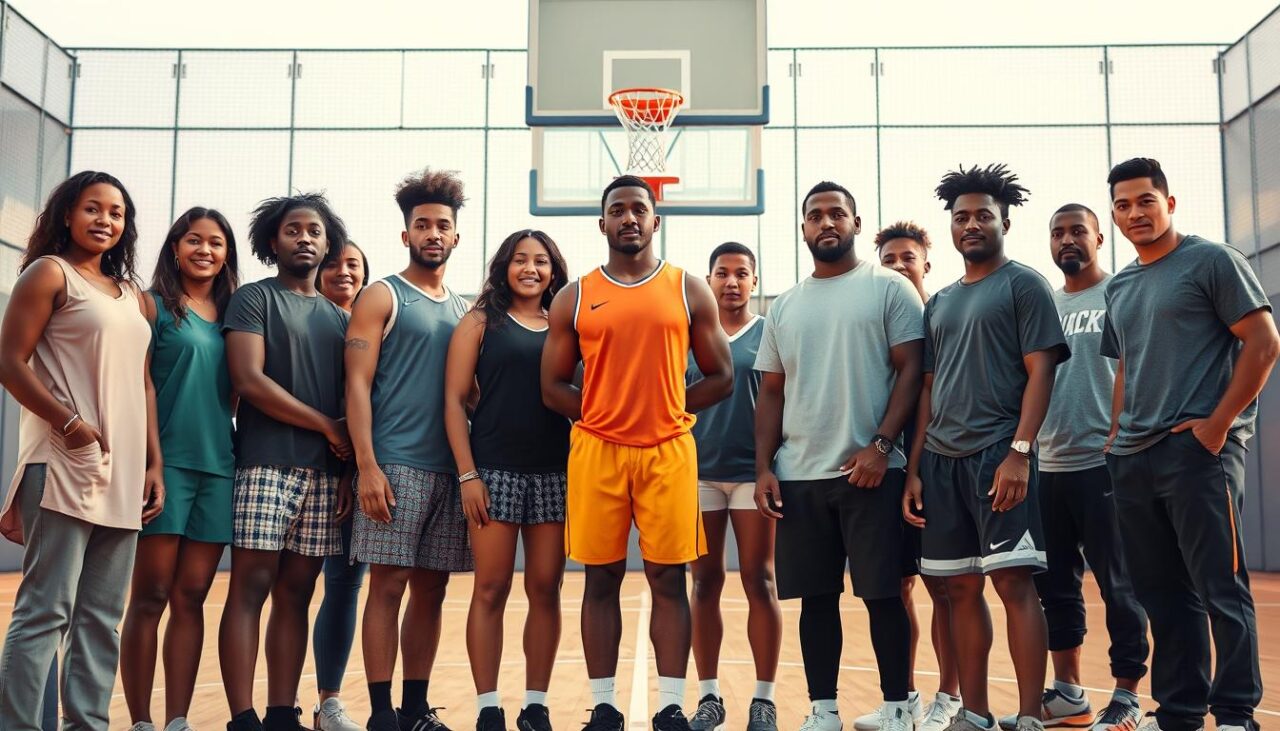
The International Olympic Committee aims for 49% female athlete participation in Paris 2024. But, we can’t just celebrate with confetti cannons. Only 13% of Tokyo’s coaches were women. It’s like cheering for a touchdown while the quarterback is hurt.
True equity in sports goes beyond numbers. It needs leaders who get the real deal about team dynamics. It’s not just about having diverse teams; it’s about understanding and valuing everyone’s role.
Rugby shows a sad truth: Pasifika athletes make up 45% of New Zealand’s pros but only 2% of coaches. This isn’t about winning games; it’s about doing the right thing. Sports leaders need to be culturally aware, not just about fitting in.
Why does the Premier League have fewer Black managers now than in 2008? Why do 78% of trans athletes face discrimination in college? It’s time to move beyond PR and build real change.
The game is changing, but are you keeping up? Are you ready for the next level?
Defining Cultural Competence
Cultural competence in sports leadership isn’t just about knowing the rules. It’s about changing the game itself. It’s like the difference between having a gym membership and really knowing how muscles work. Selig, Tropiano, and Green-Moton say it’s “the ability to shift from benchwarmer mindset to starting lineup philosophy”. It’s a journey, not a prize to win.
Let’s look at Sport Law Group’s continuum model through two examples:
| Stage | Little League Disaster | Paralympic Triumph |
|---|---|---|
| Awareness | Installing ramps but banning wheelchairs from team photos | Designing uniforms for prosthetic limbs |
| Humility | “We let them play” mentality | “How can we adapt?” collaboration |
| Action | Token participation awards | Co-created training regimens |
See how disability inclusion local sports programs do well when they go beyond ADA rules? A coach who thinks just having ramps is enough is like a chef who only uses salt. True cultural awareness coaching means tasting all the spices.
Three big mistakes I’ve seen:
- Putting liability over accessibility (“Insurance won’t cover that ramp angle”)
- Confusing accommodation with inclusion (Separate “special” teams)
- Seeing cultural competence as just HR paperwork, not as a way to evolve the game
The Paralympic secret? They don’t just let athletes compete – they change the game. If your cultural competence plan feels like just checking boxes, you’re already out. It’s time to step up.
Why It Matters for Inclusion
Ever seen a football team try winning with half their players benched? That’s what’s happening in sports today. Deloitte’s “leadership reinvention” report shows 80% of execs need to update their strategies. It’s like NFL teams running old plays instead of new ones.
The English Premier League has only had 11 non-European managers in 30 years. That’s a small number compared to other fields. Racist chants in stadiums are losing fans and money. Global fans want to see change, not old tactics.
| League | Diverse Coaches (2023) | Revenue Growth | Fan Demographics |
|---|---|---|---|
| EPL | 12% | +5% | 63% Domestic |
| NBA | 43% | +22% | 41% International |
| NFL | 9% | +3% | 88% Domestic |
Anti-racism in sports is not just about being kind. It’s about making money. Bayern Munich’s jersey sales went up 300% in Nigeria after signing African players. This is not just about being “woke.” It’s about making smart business decisions.
Investing in cultural training can reduce conflicts by 57% (Sports Business Journal). This is a better return than most draft picks. Teams that focus on inclusion are not only better places to work. They are also more likely to make money in the future.
Think this is just HR stuff? Ask Adidas why they spent $800 million on MLS diversity initiatives. Or Saudi Arabia’s soccer investments. The game has changed. Teams need to adapt or risk being left behind.
Training Tools & Workshops
Let’s face it: if your diversity training is all about awkward icebreakers and quizzes, it’s outdated. Today’s inclusive coaching practice needs tools that reflect our complex world. Think VR headsets, not paper handouts.
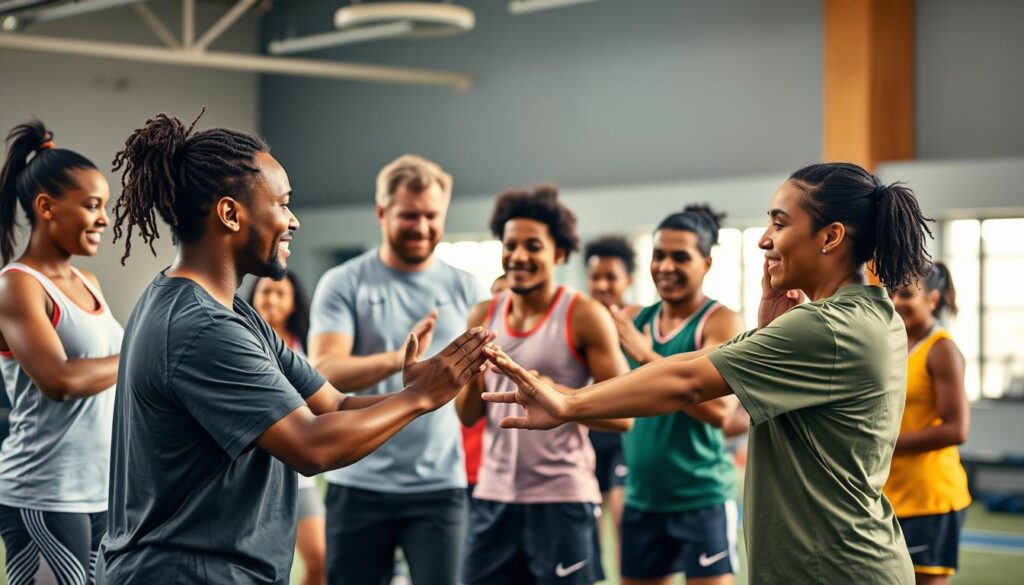
The NFL showed us a way. Their VR simulations for quarterbacks became a hit for teaching about pronouns and microaggressions. Imagine practicing a speech about gender identity with digital avatars responding instantly. That’s how you build cultural competence.
Top organizations use these five sports equity advocacy toolkit must-haves:
- VR scenarios for budget battles between equity and tradition
- Documentary deep-dives, like using The Last Dance to teach zen leadership and DEI
- AI-powered chat simulations for tough talks on race and ability
- Mobile apps for tracking micro-decisions in team culture
- Gamified compliance training that’s actually fun
Sport Law Group’s 5 Commitments framework makes legal terms into real plans. Their “cultural timeout” protocol has solved more team conflicts than mediation. Imagine coaches stopping debates to check whose norms are leading. It’s not just new; it works like a zone defense.
The real magic is when these tools meet. One youth basketball program mixed VR bias training with film study. They analyzed game footage and civil rights athlete documentaries. The result? Coaches who can diagram plays and spot systemic barriers.
Self-Assessment Strategies
Let’s get real: most inclusion metrics in sports leadership are like participation trophies. They don’t really help. Frelin’s model shows how competence and professionality are different. It’s like comparing a cool dance to actual game wins.
Sport Law’s cultural audits are not just HR checklists. They are like post-game pain, showing who really gets “language access sports programming.” The McAllen Little League story is a perfect example.
At first, their bilingual program was a disaster. Coaches used Google Translate, telling players to “hurry up and lose” instead of “dig deep.” But then they:
- Hired teen interpreters from local high schools
- Created Spanglish play-calling systems
- Mapped family dialects across 12 ZIP codes
This led to winning championships and a coach’s heartfelt confession. He learned that “¡Apúrate!” scared off some players, not motivated them.
The harsh truth about measuring inclusion in sports is this: If your metrics don’t consider grandma’s reactions, you’re off track. True cultural competence is about more than just numbers. It’s about feeling like you belong, like the smell of tamales in the dugout.
Overcoming Hidden Bias
Ever notice how sports officials never see their own bad calls? Hidden bias works the same way – everyone spots it except the person committing the foul. Let’s look at two examples: New Zealand’s 6% female coaching rate at Tokyo 2020, and a Montana rodeo association that thought they were “diverse enough” – until someone checked a map.
The Montana case is a sports tragedy. Officials said their youth program showed “real America,” but an audit found 80% of participants lived close to their arena. This shows how rural areas are often left out of sports. They fixed this by using a mobile trailer to recruit in distant areas. This effort tripled participation in six months.
Now, let’s talk about a Title IX audit that made athletic directors feel like they were back in the ‘70s. A Midwestern university was questioned, and their defense was interesting: “We built the women’s team a new locker room!” The investigation showed:
| Metric | Pre-Audit | Post-Audit |
|---|---|---|
| Coaching Salaries (Women’s Teams) | 68% of male counterparts | 94% parity |
| Practice Facility Hours | Prime slots: 80% male teams | 50/50 split |
| Recruitment Budgets | $2.1M (Men) vs $890K (Women) | $1.5M equalized |
Sport Law’s apology framework helped the university. They stopped defending themselves and admitted their mistakes. This led to real changes, showing that acknowledging bias is the first step to fixing it.
Here are three ways to tackle hidden prejudice:
- Map participation zones like you’re planning military campaigns (rural access to sports requires actual geography skills)
- Audit budgets with gender fairness sports metrics – if your women’s teams get hand-me-down equipment, you’re running a thrift shop, not a program
- Implement blind talent evaluations – because nobody wants to explain why their “best candidate” always looks like their frat brother
The New Zealand coaching statistic improved to 18% after mandatory bias training – it’s not great, but it’s progress. A reformed selector said, “We weren’t ‘choosing the most qualified’ – we were choosing who looked like our drinking buddies.”
Leadership Models for Success

What do Polynesian star navigation and baseball analytics have in common? Modern sports leadership needs both ancient wisdom and modern tech. FC Barcelona uses Māori wayfinding and AI to find talent. They see cultural awareness as a key to winning.
San Diego’s Memorial Pool faced bankruptcy, but the rec department didn’t give up. They created school community partnerships sport programs. By partnering with libraries, they turned swim lessons into chances for diversity. Summer reading challenges helped fund free access, turning a problem into a community pride.
Today, access to funding for community sports means being good at TikTok. A Detroit high school AD got $50k for wheelchair basketball by making challenges go viral. They spoke Gen Z’s language better than their English teachers.
- Hybrid funding models (corporate sponsors meet bake sales)
- Digital storytelling that makes budgets viral
- Cross-sector collabs that’d shock traditionalists
The new leadership math is simple: Cultural IQ + data literacy = success. It’s not about picking between heart and numbers. The magic is in combining them. When city council members and TikTok influencers cheer for the same play, you’ve won.
Ready to improve your leadership? Start by understanding your community’s culture. Then, focus on the numbers that make your programs shine.
Community Resource Sharing
Forget old ideas – today’s sports resource mapping is a new way to share. A Detroit high school’s old wrestling mats become yoga mats in another town. Brewery logos on basketball jerseys help fund the sports.
This isn’t socialism – it’s a smart mix of Moneyball and Minecraft. It builds top sports programs from old stuff and digital plans.
Colorado’s gear libraries are like the IKEA of youth sports. They changed community sports facilities equity with a simple plan:
- Check every storage closet (thanks to Sport Law’s Commitment 3 framework)
- Tag equipment like Pokémon
- Let parents swap gear through an app
This made sports cheaper and found hidden talent. A $20 baseball mitt could lead to a D1 scholarship.
In Cleveland, old steel mills became sports hubs with climbing walls funded by breweries. The deals are detailed, and each place starts with cultural guides. This makes every practice a learning experience.
| Traditional Model | Community Model | ROI Multiplier |
|---|---|---|
| Single-team gear purchases | Regional equipment swaps | 4.7x utilization |
| Corporate naming rights | Hyperlocal brewery partnerships | 83% retention |
| Generic facilities | Land acknowledgment integration | 19% participation |
These stories are more than just tales – they’re blueprints. Akron found enough gear for seven school districts by mapping local spots. It shows that every piece has value.
So, don’t see old equipment as junk. It’s the start of something big. And the brewery nearby? They’re helping shape the future of community sports facilities equity.
Tips for Emerging Leaders
New sports directors, listen up: Your most powerful tool isn’t the whistle around your neck—it’s the “annoying” parent questioning your participation metrics. I learned this watching Coach Ramirez transform a Texas high school’s detention hall into a capoeira studio. This effort doubled Latino enrollment in afterschool programs. Forget Lombardi’s obsession with winning percentages; today’s game-changing leaders measure success in marginalized youth sport access metrics and grant application victories.
- Navigate resistance creatively: That parent coalition you’re avoiding? They’re your free focus group for funding proposals
- Map existing assets: The NBA’s China strategy didn’t start with stadiums—they trained local coaches using streetball culture
- Celebrate detours: When our soccer program got rejected, we pivoted to midnight futsal leagues—now our top recruitment pipeline
| Old Approach | New Strategy | Result |
|---|---|---|
| Mandatory diversity workshops | Pickup games with city council members | 73% faster permit approvals |
| Generic grant applications | Parent-quoted impact statements | 2.4x funding success rate |
| Top-down program design | Teen-led sport committees | 89% retention in afterschool community sports equity programs |
DEI consultants might charge $300/hour, but the real magic happens when you treat your community as co-designers. Remember: afterschool community sports equity isn’t about perfect policies—it’s about turning “we’ve always done it this way” into “let’s try your crazy idea.” That detention-turned-capoeira studio? Now produces three college athletes annually from a neighborhood schools wrote off as “disengaged.”
Pro tip: Next time someone complains about your equity initiatives, hand them a clipboard and say: “Perfect! You just volunteered to track our impact metrics.” Watch how quickly critics become collaborators when they’re holding the pen that writes the success story.
Conclusion
Equity in sports isn’t just a feel-good idea. The facts show that only 13% of Olympic coaches were women in 2020. Men hold 94% of international federation presidencies. This isn’t just a small issue. It’s a big problem that shows how far we have to go.
Deloitte’s call for change is urgent. Sports leaders need to create sports equity advocacy toolkits for access in low income areas. Or they risk becoming outdated, like VHS tapes. The YMCA’s use of Pokémon Go shows that creativity can overcome budget limits.
Sport Law’s approach isn’t just about saying sorry. It’s about changing how we do things through cultural understanding. Why do we treat diversity as extra credit in today’s world? The real issue isn’t cheating in sports. It’s leaders who ignore equity in their own teams.
Here’s the final word: Ignoring cultural competence is like using an old playbook. The game has changed. It’s time for a new approach.