WNBA Finals impact should be measured with both ambition and restraint. Women’s basketball has earned larger audiences, fuller buildings, and stronger commercial interest, but host cities still need disciplined local data before claiming a tourism windfall. The right question is not whether a major women’s sports event can help restaurants, hotels, and retailers. It can. The harder question is how much of that spending is new, how much is shifted from other local activity, and who benefits after the arena lights go down.
The WNBA’s 30th season in 2026 gave local planners a firmer starting point. The league reported 90 million unique viewers across national networks during the regular season, and 51 telecasts averaged at least 1 million viewers, the most in league history, according to the WNBA season growth report. That scale matters for city agencies and small businesses because media attention can widen the visitor base beyond season-ticket holders. It also raises the risk of overestimating results if cities treat national audience growth as automatic local spending.
For community sports development, the practical task is to convert event demand into durable neighborhood value. That means supporting businesses beyond the arena block, planning lower-emission transport, protecting workers during demand spikes, and collecting data that can be used after the series. Women’s sports deserve investment, not inflated accounting.
How WNBA Finals Impact Reaches Local Corridors
Measuring WNBA Finals Impact Without Inflating It
A credible WNBA Finals impact estimate starts by separating direct spending from broader claims. Direct spending includes hotel rooms, meals, local transport, retail purchases, and venue-adjacent services bought by visitors who came because of the event. Indirect and induced effects can be real, but they require assumptions about supplier activity and household spending. Those assumptions should be stated plainly, not buried in a headline number.
The most cautious local model asks three basic questions. First, how many attendees came from outside the host market? Second, how many nights did they stay? Third, what share of their spending went to locally owned or locally staffed businesses? Without those answers, a city may be measuring excitement rather than economic value.
Where The Demand Shows Up First
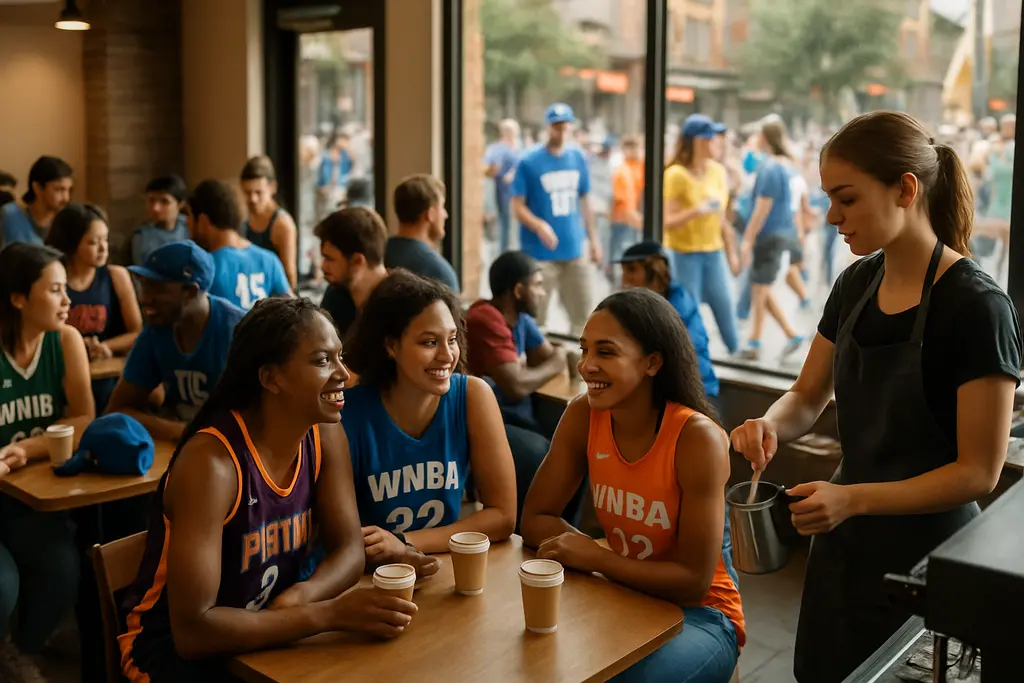
Food, drink, lodging, and short-distance transport usually feel the first lift. The Associated Press reported that bars and restaurants saw greater customer demand for women’s sports programming, with some operators describing stronger business around major women’s sports moments, according to AP reporting on women’s sports demand. That finding is useful, but it should be applied carefully. A restaurant near an arena, a family-owned café two transit stops away, and a hotel in a different district will not see the same pattern.
Local organizers can reduce that gap by building event-week maps that point fans toward nearby commercial corridors, not just the highest-traffic blocks. This is where sustainability and business development meet. A walking route, a late transit connection, and a small-business directory can keep spending close to the host community while reducing car trips. Related women’s sports planning, such as NWSL inclusion analysis, offers a useful reminder: schedule design and access planning shape who can participate in the economic upside.
A Practical Measurement Plan For Host Cities
Four Indicators Local Groups Can Track
Local chambers, tourism offices, and neighborhood associations do not need a large research department to improve their evidence. They need a shared measurement plan before the first game. The plan should be simple enough for small businesses to use and strict enough to avoid promotional guesswork.
- Visitor origin: ask hotels, ticketing partners, and visitor centers to separate local residents from out-of-market guests where privacy rules allow.
- Length of stay: track hotel nights and short-stay patterns rather than relying only on attendance.
- Business category: compare restaurants, retail, transport, and lodging instead of publishing one blended number.
- Local retention: estimate how much spending reaches locally owned businesses, local workers, and community vendors.
This approach makes the event more useful for future planning. If hotels gain but small retailers do not, the next bid package can include neighborhood signage, vendor markets, or shuttle stops. If restaurants gain only on game nights, local leaders can schedule fan events on off days to spread spending more evenly.
What To Ask Before Claiming A Tourism Win
Tourism gains from major events can be mixed. A sold-out arena does not prove that a city gained new spending. Some local residents may avoid downtown during crowded event periods. Some visitors may replace trips that would have happened anyway. Some hotel demand may come from ordinary business travel being displaced into higher prices. A careful report should account for these possibilities.
For a future host city assessing WNBA Finals impact, the best public dashboard would show attendance, hotel occupancy, transit ridership, small-business sales samples, waste volume, and public safety costs. It should also separate public costs from private gains. That is not anti-growth. It is honest accounting, and honest accounting helps women’s sports make a stronger case for fair public and private support.
Sustainability Standards For Event Week Spending
Keep Spending Near The Venue
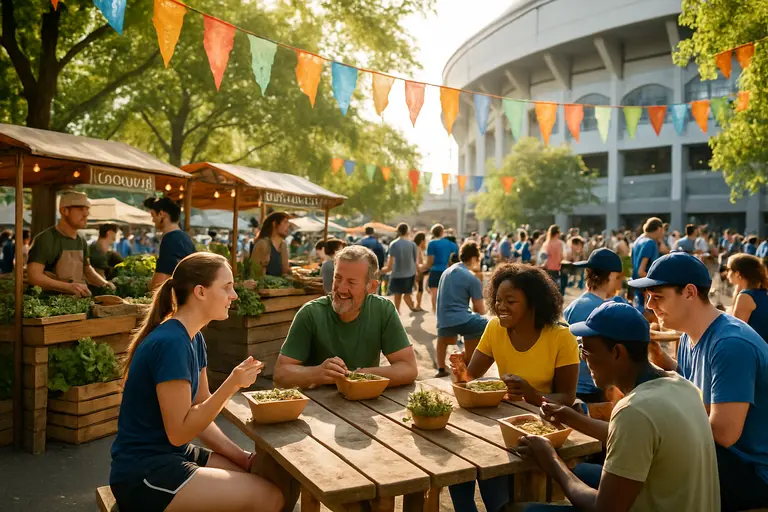
Sustainability is often framed as recycling bins and energy use, but economic sustainability matters too. A major finals event can push spending toward national chains if local groups do not prepare. Host committees can work with business improvement districts, neighborhood councils, and women-owned business networks to identify vendors before demand arrives.
One practical tool is a local procurement scorecard. It can track catering, temporary staffing, printing, cleaning, transport, and fan-event contracts. The scorecard should not promise that every contract will stay local. It should show what share was available to local firms, what share was awarded, and what barriers smaller vendors faced. Community groups connected through a related network Banat Zayed can help identify inclusive outreach channels, especially for women-led and youth-focused sports initiatives.
Protect Workers, Transit, And Waste Systems
Event demand can be good for hourly workers if scheduling, transport, and safety are handled well. Longer restaurant hours and hotel surges may mean more shifts, but late finishes can leave staff with limited transit options. City planners should coordinate with transit agencies on postgame service, accessible routes, and safe walking paths. If extra service is not possible, that limitation should be stated before the event so employers can plan rides or adjusted shifts.
Waste is another measurable pressure point. Finals crowds create food packaging, beverage containers, signage, and temporary materials. A basic waste plan should name who collects, who sorts, what can be reused, and how vendors are briefed. The sustainability goal is not a perfect event. It is a documented system that improves with each major sporting date.
WNBA Finals Impact For Sustainable Growth
A Cautious Model For Community Sports Development
WNBA Finals impact is strongest when cities treat the event as a platform for local capacity, not a one-week sales spike. The WNBA’s 2026 audience growth shows that women’s basketball has national pull. The AP reporting on bars and restaurants shows that fan demand can move into local venues. Those are meaningful signals. They are not, by themselves, a full economic study.
A sustainable model would ask host cities to publish a short post-event report within 90 days. It should include what was measured, what was not measured, and what will change before the next major women’s sports event. It should name community partners, describe small-business participation, and report transport and waste lessons. If the data is incomplete, say so. Caution builds trust.
For local businesses, the practical play is preparation: staff for known demand, coordinate with neighboring shops, extend hours only where worker transport is safe, and collect simple sales comparisons. For tourism offices, the task is to spread visitors across districts without making claims that the data cannot support. For sports advocates, the message is clear. Women’s sports can generate real local value, and the fairest way to protect that value is to measure it well, share it widely, and design events that leave communities stronger than they were before tipoff.