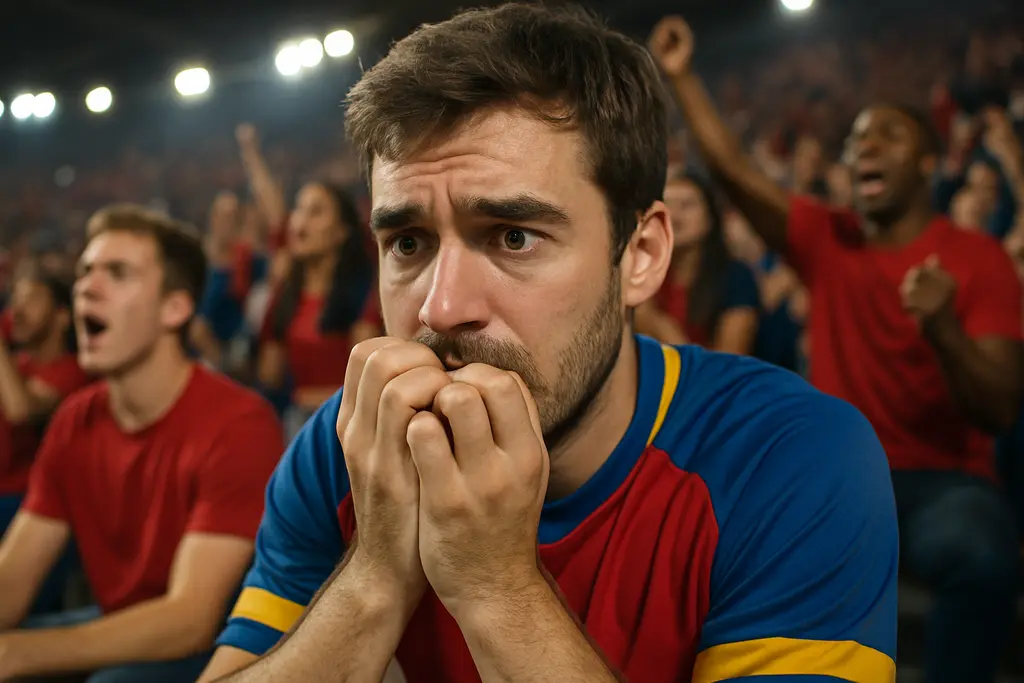
Fan wellness is a practical test during October’s crowded sports window, not just a soft measure of satisfaction. By October 15, 2026, the MLB postseason stretch that began with the Wild Card Series on Tuesday, September 29, 2026, had already shown how start times, work schedules, travel demands, and value perception can shape attendance. The NBA’s 2026-27 regular season had not yet started; it was scheduled to open on Tuesday, October 20, 2026. That overlap gives community sports planners a useful case study: fans can love the games and still struggle with the calendar.
The strongest evidence in the available research concerns MLB’s afternoon Wild Card games. AP reported that Atlanta drew 30,127 fans for a 2 p.m. Game 1 in a ballpark with a listed capacity of 41,108, and that only 6 of 26 afternoon Wild Card games since MLB expanded to a 12-team postseason format in 2022 had reached or exceeded capacity through early October 2026 AP attendance report. Those figures do not prove a single cause. They do, however, give venue operators and local advocates a concrete warning: a premium event can still underperform if the time slot asks too much of the audience.
Fan Wellness Pressure Points In October
October is attractive for leagues because the calendar can carry postseason baseball, basketball’s return, football weekends, and local fall sports in the same period. For fans, the same concentration can create a different experience. A household may face multiple ticket decisions, more screen time, school-night trade-offs, transportation costs, and schedule conflicts with work or caregiving. The issue is not whether fans are loyal. The issue is whether the event design respects the limits of time, money, and physical comfort.
Fan Wellness Signals From MLB Attendance
The MLB Wild Card Series offered a measurable signal. Afternoon weekday playoff games can serve television inventory and national scheduling needs, but they may weaken the in-person experience for local fans who cannot leave work, arrange childcare, or travel across a metro area before first pitch. In Atlanta, the reported 2 p.m. crowd shortfall was not a minor optics issue. It represented thousands of unused seats for a postseason game, a setting normally associated with strong demand.
Community sports leaders should read that data cautiously. Attendance can be influenced by team form, opponent, ticket pricing, local transportation, weather, and the amount of notice fans receive. Still, repeated shortfalls across afternoon Wild Card games suggest that start time deserves a place in any access audit. If a venue asks fans to make a high-cost, high-effort trip during business hours, the venue should be prepared to explain what services reduce that burden.
Value Perception Is A Wellness Issue
Value is often discussed as a business metric, but it also affects well-being. A fan who buys a postseason ticket may absorb parking, food, missed work time, longer commutes, and family scheduling pressure. If the game is placed in a difficult time slot, the emotional payoff must be high enough to justify those costs. Empty seats can indicate that many fans made a rational choice to protect their day, their budget, or their household routine.
This is where community sports advocates can contribute. They can ask clubs and public agencies for clearer pre-event information, family-friendly arrival windows, visible water access, and realistic transportation messaging. Those actions do not solve every cost problem, but they reduce uncertainty. Uncertainty is a hidden load on fans, especially those bringing children, older adults, or people with access needs.
NBA Return And Calendar Compression
The NBA’s 2026-27 regular season was scheduled to begin on Tuesday, October 20, 2026. The league’s posted key dates listed opening night games including Celtics-Pistons at 3 p.m., Sixers-Knicks at 7 p.m., and Thunder-Spurs at 9:30 p.m. NBA key dates. For fans, that opening date arrived less than a month after MLB’s regular season ended on September 27, 2026, and within the same broader window as baseball’s postseason.
The NBA return differs from the MLB Wild Card issue because it is the start of a long regular season, not a short playoff series. Fans usually have more future chances to see teams. Yet opening night still carries symbolic weight, media attention, and high demand among many supporters. The mix of afternoon and evening windows can serve national audiences across time zones, but it also raises access questions similar to baseball: who can participate in person, who shifts to broadcast viewing, and who opts out because the schedule is too crowded?
Broadcast Reach Versus Local Access
National broadcasts can help fans who cannot afford tickets or travel. They can also keep casual supporters connected during busy weeks. The trade-off is that television-friendly slots may not always align with local attendance comfort. A 3 p.m. weekday game can be accessible for some remote workers, students on flexible schedules, or fans in other time zones, but it can be difficult for many local households.
For community sports programs, the lesson is not to reject national scheduling. The lesson is to measure who is left out. If early starts become part of a league or venue plan, operators should compare attendance patterns, arrival times, transit usage, and complaint themes. Those data points can show whether a schedule is broadening access or shifting the burden to fans with the least flexibility.
Shared Lessons For Local Sports Venues
Professional calendars shape expectations at every level. If major venues normalize clear service maps, hydration access, shaded waiting areas, family rest spaces, and direct transit guidance, smaller venues can adapt those practices at the right scale. World Football Idol, a related soccer audience site in the same network, illustrates how cross-sport fan cultures often face similar issues with travel, timing, and matchday comfort.
Venue improvements do not need to be limited to major capital projects. A small club can review gate staffing, restroom queues, seating for older adults, and water availability. Larger stadiums can test better wayfinding, shaded lines, and clearer service alerts. For an infrastructure example tied to fan comfort, A Levante’s review of Paycor Stadium renovations connects basic building systems with access and satisfaction.
Practical Fan Experience Checks

October’s schedule makes planning discipline visible. A fan-first venue does not assume that demand will solve operational problems. It tests friction before gates open. The following checks are suitable for teams, municipal partners, school athletic departments, and community sports groups preparing for high-demand weeks:
- Time-slot audit: compare start times with workday patterns, school schedules, transit frequency, and likely arrival windows.
- Cost audit: estimate the full fan cost, including ticket, parking, food, transit, and missed work time where relevant.
- Weather audit: identify shade, indoor refuge, cooling options, hydration points, and first-aid visibility.
- Family access audit: review stroller routes, restrooms, seating breaks, and clear information for caregivers.
- Post-event audit: collect attendance, entry delays, medical calls where available, service complaints, and fan survey comments.
These checks should be repeated across different event types. A weekday afternoon playoff game is not the same as a weekend rivalry game. An NBA opener is not the same as a midweek game in February. The value of the audit is that it separates assumptions from evidence. If attendance falls short, leaders can ask whether pricing, timing, transit, weather, or communication created avoidable barriers.
What To Measure After A Packed Week
Post-event review should be specific. Total attendance matters, but it is not enough. Operators should examine late-arriving crowds, no-show rates, concession wait times, restroom pressure, and reported medical or comfort issues where those records are available. Fan surveys should include open comments as well as ratings, because a low score without explanation is hard to act on.
Community advocates can help by translating fan comments into fixable categories. For example, “too hard to get there” may mean transit gaps, parking confusion, school pickup conflicts, or poor wayfinding. “Too expensive” may mean ticket price, food price, dynamic pricing concerns, or the combined cost of attending several events in the same month. Careful categorization helps teams make practical changes without overstating what the data can prove.
October Sports Calendar Fan Wellness
The October 2026 sports calendar showed that excitement and strain can exist at the same time. MLB’s concluded Wild Card attendance pattern gave a clear warning about weekday afternoon access. The NBA’s October 20, 2026 return added another major draw for fans already sorting through a dense month of sports options. For fan wellness, the main task is to reduce unnecessary friction: clearer schedules, safer venue conditions, realistic cost communication, and better feedback loops after events.
The evidence available here supports a cautious view. It does not show that fans are losing interest in major sports. It does show that even premium games can face resistance when timing and total effort become too demanding. Community sports development should treat that as a planning opportunity. If leagues, teams, venues, and public partners design around the lived experience of fans, packed calendars can become more inclusive rather than more exhausting.