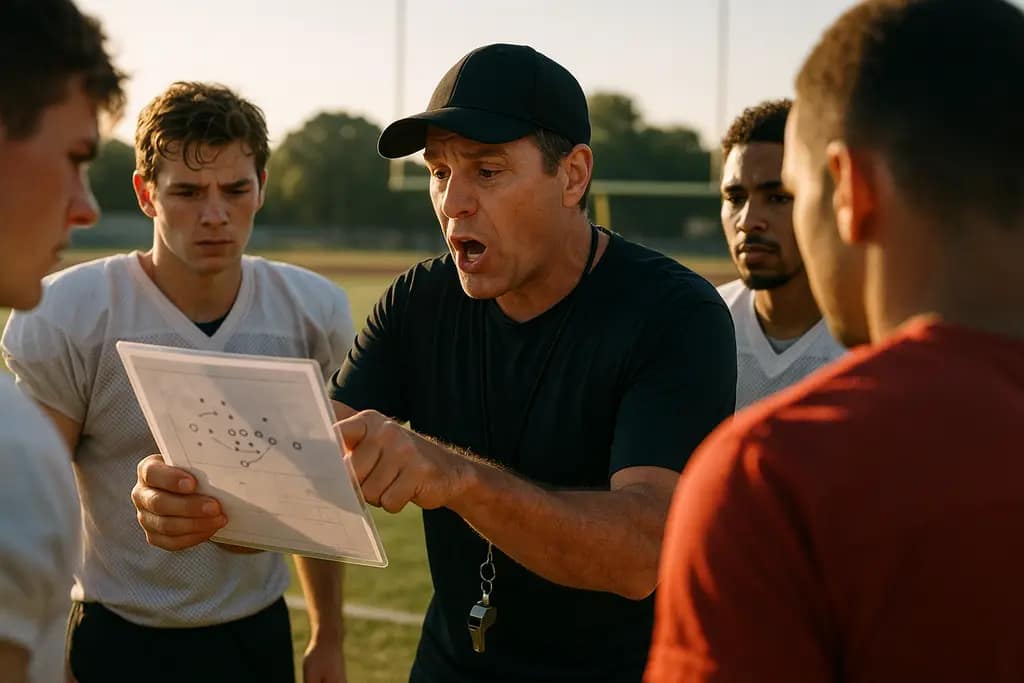
The 2026 Broncos training camp gives fans a clear but limited access model: free entry, required mobile tickets, capped attendance and a smaller parking supply. The format is not hard to understand, but it does force families, youth groups and community sports organizers to plan earlier than they might for a normal open practice. The Broncos announced 14 free and open practices beginning Friday, July 31, 2026, with attendance capped at about 1,000 fans per practice because of ongoing construction at Broncos Park Powered by CommonSpirit, according to the team’s official training camp announcement.
That combination creates a useful case study in fan engagement under space constraints. Free admission removes one barrier, but a hard capacity limit creates another. For community sports leaders, the lesson is not that access is open or closed. It is that access depends on the full system: ticket timing, arrival windows, seating, parking, return policies and the ability of fans to understand the process before the best dates are gone.
Broncos training camp Format And Capacity
What The 14-Practice Model Signals
The 14 open practices provide repeated opportunities rather than a single public event. That matters for families who cannot attend on a specific weekday, youth coaches trying to bring small groups, and fans who need to compare transportation options. Practices are scheduled to begin at 10 a.m. and last about two hours. Parking lots open at 8 a.m., while gates open at 9 a.m. This gives fans a three-step morning schedule: arrive for parking, enter when gates open, then watch practice.
The engagement value is clear. A two-hour practice window is long enough for fans to see drills, position work and team periods if the session follows common camp patterns, though the exact daily practice content is not stated in the announcement. The team has also said practices will include family-friendly activities, alumni, mascots, cheerleaders and player autograph sessions on select days. Those elements widen the appeal beyond the most football-focused fans, especially for children and first-time visitors.
Capacity As The Main Access Constraint
The central limitation is the attendance cap of approximately 1,000 fans per practice. Across 14 practices, that suggests a maximum of roughly 14,000 practice admissions before no-shows, returned tickets or unused reservations are considered. That is not the same as 14,000 unique people, because each fan may reserve tickets for up to two practices. The team’s four-ticket limit per fan also shapes how family groups can participate.
From an inclusion standpoint, the policy tries to balance household access with broad distribution. A four-ticket limit supports many families without allowing one person to reserve a large block. The two-practice cap reduces repeat attendance by the fastest online users. Still, the model will reward fans who know the ticket release time, have Ticketmaster access, and can act quickly on July 1. That is a common weakness in free-ticket systems: price is removed, but digital speed and schedule flexibility become deciding factors.
Ticketing, Seating And Arrival Decisions
Broncos training camp Ticket Rules
Free mobile tickets are required for entry. Season ticket members can claim tickets starting Wednesday, July 1, 2026, at 9 a.m. MT, while the general public can claim them at 10 a.m. MT on the same day through Ticketmaster. Each fan may claim up to four free tickets and reserve tickets for up to two practices. Those details should be treated as operating rules, not small print.
For Broncos training camp planners, the main task is to reduce uncertainty before the claim window opens. Families should decide which two practices they prefer, identify a backup date, confirm that all attendees can use mobile entry, and agree on whether one person will claim the group’s tickets. Youth coaches and community programs should avoid assuming that a large group can be handled informally. With the four-ticket limit, organized groups may need multiple adults to claim separate small blocks, and even then availability is not guaranteed.
Temporary Shaded Bleachers And Comfort
Fans will sit on the north end of the practice fields in temporary shaded bleacher seating. Shade is a practical benefit, especially for children, older adults and fans who may be sensitive to heat. Temporary bleachers can still raise questions for some visitors, including seat spacing, stair access and proximity to restrooms. The announcement confirms the seating type and location, but it does not provide detailed accessibility specifications in the research provided here. Fans with specific mobility needs should check official team communications before reserving or attending.
The team’s ticket return policy is a useful access tool. Fans who cannot attend are encouraged to return tickets by transferring them to [email protected] up to 30 minutes after the start of practice. This matters because a free event with limited capacity can suffer from empty seats if people reserve early and then skip the session. A return pathway can reopen access, but only if fans use it. Community organizations can help by reminding participants that unused tickets have real opportunity cost for other supporters.
| Access Factor | Confirmed Detail | Practical Effect |
|---|---|---|
| Admission | Free mobile ticket required | No price barrier, but digital access matters |
| Capacity | About 1,000 fans per practice | High demand may exceed available seats |
| Ticket Limit | Up to four tickets and two practices per fan | Limits bulk claiming and repeat reservations |
| Seating | Temporary shaded bleachers | Improves comfort, with access details still worth checking |
| Parking | About 250 free spots at Dove Valley Regional Park | Ride-sharing may be needed for many fans |
Parking, Transport And Community Planning
Parking Supply Versus Practice Demand
Free parking is available at Dove Valley Regional Park on a first-come, first-served basis, with about 250 spots. Against a practice cap of roughly 1,000 fans, that parking supply is limited. Even if many vehicles carry several people, parking could fill well before every ticketed fan arrives. The Broncos encourage ride-sharing options because of limited availability, which is a practical signal for anyone bringing children or traveling from outside the immediate area.
The parking math also affects equity. A free ticket has less value if a fan cannot reasonably reach the site. Families with flexible work schedules, access to ride-share apps or a nearby driver may have an advantage. Fans coordinating youth participants need a clear drop-off and pickup plan, not just a ticket. If a community group is using the event as an introduction to professional football, travel planning should be treated as part of the program design.
How Fan Engagement Extends Beyond Practice
The open practices sit alongside two preseason home games: Green Bay Packers on August 21, 2026, and Minnesota Vikings on August 28, 2026. The research provided does not state how practice attendance connects to those games, so any direct conversion claim would be speculative. What can be said is narrower: training camp can create lower-cost contact with the team before ticketed preseason home games, especially for fans who may not be able to attend full stadium events.
This mirrors a wider NFL pattern in which training camp has become part of a public-facing event system, not just a roster preparation period. A related analysis of NFL fan infrastructure explains how open practices and youth-facing activities can connect clubs with local audiences. For local sports editors and civic planners comparing event access across communities, related network resources such as those covered by Ambikapur City can offer a reminder that crowd access questions are not limited to major U.S. venues.
Practical Checklist For Fans And Groups

Before Ticket Claims Open
The best preparation happens before July 1. Fans should identify preferred dates, confirm who is claiming tickets, check mobile ticket readiness and decide how the group will travel. Because season ticket members have a 9 a.m. MT claim window and the general public follows at 10 a.m. MT, demand could move quickly. The announcement does not provide expected demand or sellout timing, so fans should avoid assuming that later access will remain available.
- Choose two preferred practices and one backup date before the claim window.
- Confirm that the person claiming tickets can access Ticketmaster and mobile entry.
- Plan arrival around 8 a.m. parking access and 9 a.m. gate opening.
- Consider ride-sharing if parking uncertainty would create stress for children or older adults.
- Return unused tickets through the team’s stated transfer process so others can attend.
For Youth Coaches And Community Programs
Youth coaches should treat the event as a small-group opportunity unless the team later provides a specific group pathway. The four-ticket limit makes large group planning difficult. A coach who wants athletes to observe practice habits, warmups and sideline organization may be better served by organizing several family-led visits rather than one large outing. That approach also reduces pressure on parking and chaperone logistics.
For disability inclusion, the safe recommendation is to verify current access details directly through official Broncos channels before attending. The research confirms shaded temporary bleachers, gates, parking and ticketing rules, but it does not confirm every accommodation detail. Clear pre-event communication is the difference between nominal access and usable access.
Broncos training camp Access Priorities
A Fairer Event Depends On Follow-Through
The strongest reading of Broncos training camp is that the team has preserved public access during a construction period while using limits to manage demand. Free tickets, shaded seating, family activities and a return process all support fan engagement. The pressure points are just as clear: limited capacity, limited parking and a ticket process that will favor prepared fans.
For supporters, the practical answer is early planning. For community sports organizers, the bigger lesson is to design free events around the full access chain. Price matters, but so do timing, transport, seating, communication and unused-ticket recovery. If those pieces work together, a capped practice can still serve families and first-time fans. If they do not, a free event can still leave people outside the gate.