The 2026 U.S. pro cycling season made cycling broadcast challenges harder to separate from participation questions. As of October 15, 2026, the issue was not only whether committed fans could find major races. The deeper concern was whether fragmented coverage limited exposure for riders, reduced sponsor confidence, and made it harder for smaller programs to justify investment.
For community sports advocates, this is not a media complaint in isolation. Coverage affects the path from first interest to organized participation. If a young rider, parent, local sponsor, or recreation director cannot easily see the sport, the sport has to work harder at every other step: recruitment, retention, fundraising, and coach development.
The available evidence points to two linked pressures. First, the UCI’s road cycling consultation showed broad concern about commercial and media rights. Second, U.S. viewers needed multiple services to follow the full UCI WorldTour calendar in 2026. That combination creates a practical challenge for clubs and teams that depend on visibility but do not control media rights.
Why Cycling Broadcast Challenges Matter
Cycling Broadcast Challenges And Visibility
Visibility is not the same as popularity. The UCI said its “Future of Road Cycling” stakeholder consultation was launched in February 2026 and published on September 25, 2026. The consultation identified broad consensus around safety, financial fairness, the calendar, and commercial and media rights, including the need to consolidate rights and consider a solidarity mechanism for distributing newly generated broadcasting revenue more fairly among teams through the UCI consultation.
That matters at the participation level because teams are not just race-day entities. They are employers, development platforms, training environments, and public examples of what a pathway can look like. If the media return does not match public interest, the pathway becomes less legible to families and local backers. These cycling broadcast challenges can make cycling look smaller than it is, especially in a crowded U.S. sports market.
What The UCI Consultation Confirmed
The UCI also reported that road cycling enjoyed strong and growing popularity across five continents, while media exposure and revenue returned to teams and other parties did not yet match that popularity. The consultation linked that imbalance to questions about economic sustainability and participation. That is a restrained but significant finding: the governing body was not simply describing a fan inconvenience. It was connecting media structure to the sport’s ability to sustain itself.
For clubs, the key point is evidence discipline. It would be easy to blame every participation problem on streaming platforms or paywalls. The research does not prove that. It does support a narrower claim: if media exposure and financial return are misaligned with popularity, then teams and development programs face a tougher commercial environment than the sport’s audience potential suggests.
Rights Fragmentation And Participation Signals
The U.S. Fan Access Problem
In 2026, U.S. fans who wanted to follow the UCI WorldTour road season fully generally had to use three different services: Peacock, HBO Max, and FloBikes. CableTV described that split and noted that no single platform held all U.S. rights, with rights varying by race organizer in its 2026 UCI WorldTour TV guide.
This structure creates friction. A deeply committed fan may accept it. A casual fan may not. A parent whose child has started riding may not know which service carries which race. A potential local sponsor may not see the sport often enough to understand its audience. The participation effect is indirect, but it is plausible: fewer easy viewing moments can mean fewer entry points into clubs, clinics, junior racing, and volunteer networks.
Participation Risks For Smaller Programs
Smaller teams and community programs rarely have the marketing budget to replace national exposure. If media visibility is fragmented, they need other ways to show sponsors and public partners that cycling has measurable local value. That means tracking registrations, clinic attendance, school outreach, safe-riding sessions, and volunteer hours with care. The aim is not to pretend a local spreadsheet replaces broadcast revenue. The aim is to reduce uncertainty for people deciding whether to support the program.
For U.S. participation, the risk is not limited to elite road cycling. A pro race on a screen can prompt a new rider to join a weekend ride. A visible women’s race can help a club recruit girls and women. A clear media calendar can help a shop plan a community event. When coverage is split across platforms, each of those steps needs more local coordination.
A Practical Participation Framework
Club-Level Actions That Do Not Depend On Rights Deals
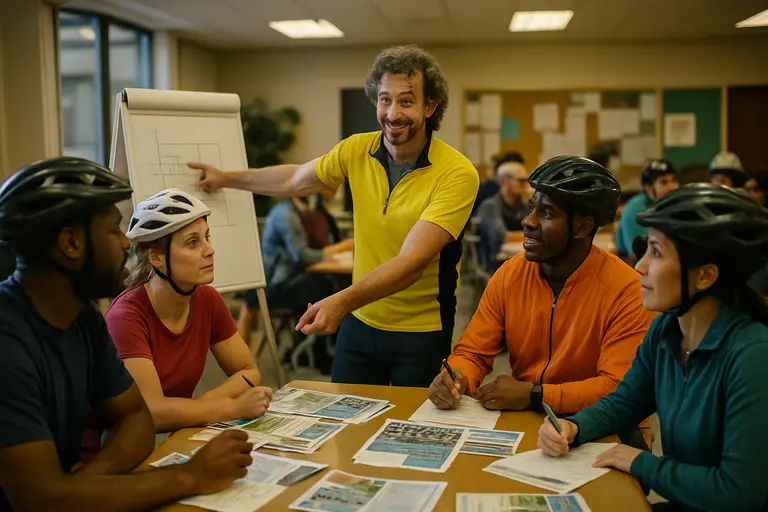
For community organizations, cycling broadcast challenges should prompt practical planning rather than resignation. Clubs cannot consolidate international media rights, but they can control how they connect national racing interest to local participation. They can also be careful about claims. If a club says broadcast fragmentation hurts recruitment, it should be prepared to show participation data before and after specific outreach efforts.
- Map viewing interest to local programs: record which races or recaps generate questions from riders, parents, and sponsors, then connect those moments to beginner rides or skills clinics.
- Create non-exclusive education sessions: explain race formats, rider roles, and safety basics without requiring families to buy every streaming service.
- Build a sponsor evidence file: track participation numbers, retention, volunteer hours, and community partnerships so sponsors see local impact even when national exposure is uneven.
- Coordinate with schools and parks staff: use pro cycling interest as a doorway to safe-riding education, youth fitness, and facility planning.
- Share learning across local sports networks: compare how other community sports present participation data through related community sports coverage at Ambikapur City.
Metrics For A Cautious Test
A useful test is simple: did a media-linked activity produce measurable local engagement? A club might compare attendance at a beginner ride after an education night with attendance during a normal month. A junior program might count new inquiries after a pro cycling explainer session. A city recreation partner might monitor whether cycling safety sessions draw repeat participants.
The point is to avoid overclaiming. Broadcasting access may influence participation, but it is one factor among many, including facility safety, coaching supply, equipment cost, and transportation. A careful local plan treats media interest as a signal, not a guarantee.
| Issue | Supported Evidence | Practical Local Response |
|---|---|---|
| Fragmented U.S. access | Three services were generally needed for full UCI WorldTour coverage in 2026. | Create race education that does not depend on one paid platform. |
| Media revenue imbalance | The UCI consultation identified concern about rights consolidation and fairer revenue distribution. | Track local value for sponsors and public partners. |
| Participation uncertainty | The UCI linked media exposure and revenue concerns to sustainability and participation. | Measure recruitment, retention, and program attendance. |
Cycling Broadcast Challenges For Local Action
Turning A Media Problem Into A Development Plan
The strongest local response is to treat cycling broadcast challenges as a planning constraint. If national coverage is split, local organizations need clearer entry points. If teams do not yet receive media value in a way that matches the sport’s popularity, clubs need stronger evidence of community value. If reform questions remain unresolved after the September 25, 2026 UCI publication, local leaders should prepare for continued uncertainty rather than waiting for a rights model to be settled.
That means building participation systems that can survive uneven exposure: beginner-friendly events, safe routes, trained ride leaders, documented partnerships, and sponsor reports based on real attendance. Broadcast reform may help the sport, but community participation cannot depend on reform alone. The practical task is to make cycling easier to understand, easier to join, and easier to support while the media structure remains unsettled.