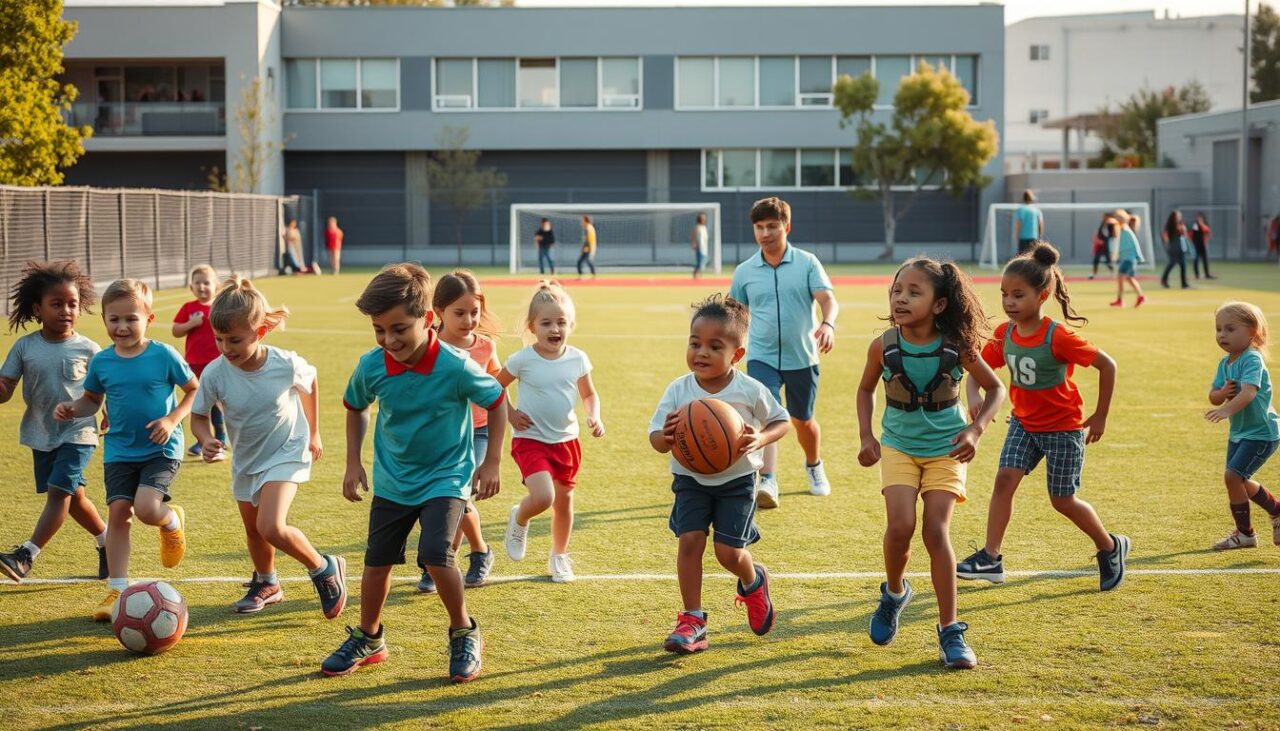
Imagine if America’s favorite sport had turned into a game only the rich can play. In Oakland, where Babe Ruth League once had 1,200 players, now there are none. 250 kids are left without a place to play. This isn’t just about baseball. It’s a clash between our dream of sports and the harsh reality of institutional exclusion.
Project Play’s study shows a harsh truth: kids from low-income families are 6x more likely to give up sports than those from wealthier backgrounds. We’ve made sports like Monopoly, where some start with big advantages while others can’t even get in the game. The real problem? We pretend it’s all about talent, ignoring how money plays a big role.
But there’s hope: cities like Atlanta and Chicago are changing the game with community-driven partnerships. They show that by using creative funding, whole neighborhoods can join in. It’s not just about helping out. It’s about unlocking the hidden talent in our communities.
The key change? Seeing equity in sports as a basic need, not just a dream. Right now, we’re losing more than just players. We’re losing the leaders who could change the way America plays sports.
Understanding Barriers (Race, Class, Geography)
Imagine a pickup basketball game where the hoop costs $5,000 to touch. This is America’s youth sports world, where privilege blocks opportunity. Let’s look at how three main barriers make sports a luxury for many.
The Pay-to-Play Paradox
Club sports have turned into exclusive clubs, with high fees to join. Here are some facts:
- Travel team costs average $2,500/year, more than some families spend on food.
- A 16-25% gap in sports participation between rich and poor families (NWLC’s “Finishing Last” report).
- Girls of color face triple barriers: race, gender, and economic status.
This isn’t just about missing out on trophies. It’s about lost college chances, missed leadership skills, and whole communities missing out.
When Fields Become Fortresses
Rural youth face unique challenges. They need a portal to Narnia to find a soccer field. In areas far from fields, the idea of a home field advantage is ironic.
| Urban Areas | Rural Areas | |
|---|---|---|
| Public Facilities per 10k Youth | 4.2 | 1.1 |
| Avg. Travel Time to Fields | 12 minutes | 47 minutes |
| Title IX Compliance Rate | 68% | 34% |
Gender fairness efforts haven’t fixed everything. Title IX is just a participation trophy for some. LGBTQ+ inclusion is rare in many rural leagues.
The real problem is institutional exclusion. We’ve built barriers around opportunities. Then, we wonder why some kids can’t access them.
Building Bridges: Partnerships & Funding
Let’s get real about sports equity. It’s not just about hashtags. It’s about turning hard work into real change. Imagine Little League and big business coming together – that’s where the magic is.
From Bleachers to Boardrooms
The Play Equity Fund’s $18M shows that big money can meet community needs. But it’s not just about giving out money. Seattle’s King County Coalition used baseball to push for policy changes. They used corporate power to fight for fairness.
The Art of Stakeholder Juggling
Good partnerships are like a winning team:
- Local governments as defensive linemen (securing permits)
- Nonprofits as quarterbacks (coordinating outreach)
- Corporate sponsors as…well, the owners’ box (funding without micromanaging)
The Positive Coaching Alliance shows what works:
| Funding Source | Key Players | Impact Multiplier |
|---|---|---|
| Municipal Grants | Parks Departments | 3:1 ROI on facility upgrades |
| Corporate CSR Funds | Brand Managers | 79% brand loyalty boost |
| Philanthropic Trusts | Community Advocates | 12x participant retention |
Seattle’s secret? Use the sports equity advocacy toolkit to get corporate sponsors on board. Bookie Gates showed tech giants how to make a difference. He opened doors faster than a stolen base.
Culturally Relevant Programming
Cultural competence in youth sports means more than just bilingual logos. It’s about changing the game plan. Some programs just add diversity as a fashion statement. But real inclusion means breaking down barriers through language access sports programming and disability inclusion local sports efforts. Let’s look at what happens when groups go beyond just showing off.
Beyond Token Jerseys
Chicago’s ESYDA adaptive sports program shows true disability inclusion. Their wheelchair basketball league combines cultural competence with radical accessibility. It turns gymnasiums into places where everyone can thrive:
- Co-designed rules with neurodiverse athletes
- ASL interpreters at every tournament
- Flexible practice schedules for working-class families
When Coaches Become Cultural Translators
DC’s E.A.T.S. program changed the game by training coaches as cultural brokers. They realized 68% of Somali players’ parents couldn’t read permission slips. So, 2-4-1 CARE brought in multilingual staff who:
- Translated materials into 7 languages
- Hosted halal pizza nights for team bonding
- Navigated immigration paperwork during away games
| Token Gestures | Real Inclusion | Impact Measurement |
|---|---|---|
| Ethnic-themed uniforms | Multilingual coaching staff | 73% retention increase (ESYDA data) |
| Single disability accommodation | Universal equipment design | 42 new athletes in 6 months |
| Google Translated forms | Certified interpreter partnerships | 89% parent engagement boost |
This isn’t just about looking good. It’s about winning. Boston’s Street Soccer USA chapter saw Haitian enrollment triple when they offered Creole playbooks. It shows that real cultural competence beats empty gestures every time.
Creating Family Involvement
Most youth sports programs treat parents like vending machines. They give snacks and expect silence. But Baltimore’s recreation leagues are changing this. They’re turning “sideline screamers” into key players in afterschool community sports equity.
They’re not just asking for permission. They’re working to break down barriers.

From Sideline Screamers to Strategic Partners
The Baltimore Model gives parents real power. Coaches now hold “equity huddles” to discuss policy. This has led to a 63% increase in family fundraising.
This money has helped remove pay-to-play fees in six Title I schools.
Here’s their game-changer script:
- “What barriers does YOUR child face?” (Personal stake ignition)
- “How would you redesign our sign-up process?” (Systems thinking activation)
- “Ready to present to the school board?” (Advocacy pipeline creation)
The Crock-Pot Theory of Engagement
True change takes time. Baltimore’s rec leagues slowly build trust with families. They start with small events and gradually increase the intensity.
Fight For Children’s SEL metrics show this approach works. It triples the number of families who keep advocating over time.
Their three-stage recipe:
- Community Potlucks: Build trust over mac ‘n cheese
- Policy Happy Hours: Discuss equity with mocktails
- Advocacy Boot Camps: Train parents in legislative lobbying
One reformed sideline yeller became a school board member. He said, “Turns out my ‘encouragement voice’ works better on commissioners than referees.” This is inclusive coaching practice at its best.
Policies for Continuous Access
Let’s cut through the policy fog: equity statements without teeth are like halftime speeches without a game plan. They sound inspiring but crumble under pressure. Real progress demands playbooks that transform vague ideals into enforceable rules—the kind that make bureaucratic loopholes vanish faster than a sneaker squeak on polished courts.
From Toothless Resolutions to Enforceable Playbooks
Sacramento cracked the code. Their sports equity advocacy toolkit turned feel-good pledges into binding facility agreements with metrics tighter than a MLB pitcher’s contract. How? Three game-changing moves:
- Mandating 40% of prime-time field hours for underserved communities
- Embedding anti-racism clauses in coaching contracts
- Creating a “reverse veto” system where community boards can override bureaucratic roadblocks
This isn’t policy poetry—it’s social engineering with shoulder pads. Oakland took notes, rewriting their facility allocation rules to prioritize disability inclusion in local sports programs. The result? Wheelchair basketball tournaments now get equal billing with varsity football.
The Title IX Playbook Remix
Title IX wasn’t built for intersectionality. Our remake adds three critical verses:
| Original Clause | 2023 Remix | Impact |
|---|---|---|
| Gender equity | Race/ability audit mandates | Exposes hidden participation gaps |
| Facility access | Transportation subsidies | Fixes geographic exclusion |
| Compliance reports | Real-time equity dashboards | Kills data lag |
The Aspen Institute’s framework calls this “policy jazz”—structured enough for accountability, flexible enough for local improvisation. Want to spot woke-washing? Check if their anti-racism in sports policies include budget reallocations, not just Black History Month jersey swaps.
Monitoring Impact
Tracking youth sports equity isn’t just about counting how many kids show up. We’ve been playing in the wrong arena. It’s time to move from participation trophies to impact forensics.
Metrics That Matter Beyond the Scoreboard
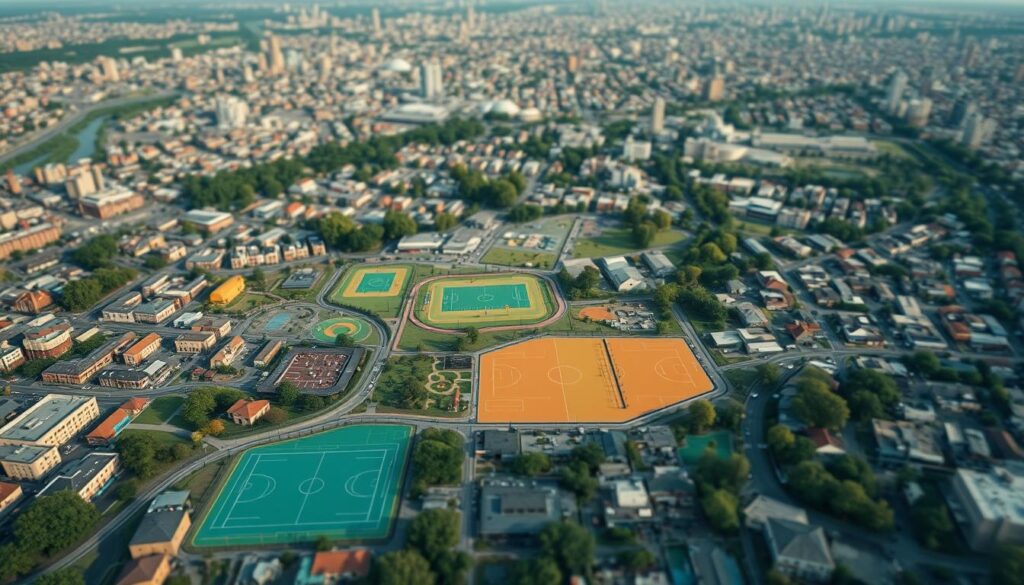
When Minneapolis Parks used infrared heat mapping last summer, they found more than just tennis courts needing resurfacing. They discovered neighborhoods where the closest “field” was a Walmart parking lot. This is sports resource mapping on steroids, changing the game for measuring inclusion in sports.
Forget counting heads. The new Inclusion Index tracks:
- Scholarship accessibility (not just availability)
- Transportation wait times vs. practice durations
- Gender-neutral facility options
- Coach-to-athlete ratios in Title I schools
- Multilingual registration materials
The Data Dunk Contest
Laureus USA’s impact dashboard shows more than numbers – it shows paths. Like how a 23% increase in girls’ softball participation was linked to extended city bus routes. Or why Project Play’s tracking showed suburban swim clubs have 18x more lane space per capita than urban rec centers.
| Vanity Metric | Equity Metric | Game Changer |
|---|---|---|
| “Total Participants” | Zip Code Distribution | Exposes geographic gaps |
| Equipment Donations | Usage Frequency Rates | Meets actual needs |
| Scholarships Offered | Application Success Rates | Reveals systemic barriers |
This isn’t bean-counting – it’s justice-journaling. When we measure bathroom gender options alongside batting averages, we’re not just tracking sports. We’re charting social evolution.
Success Stories
Forget trophy-case inspiration porn. The real game-changers in youth sports equity aren’t ESPN darlings—they’re renegades turning forgotten fields into futures. Let’s talk about the plays rewriting the rulebook.
From Backboards to Board Members
Coach Marla Riggs turned Tennessee’s soybean fields into volleyball courts. She used discarded fishing nets as makeshift nets. Her league trains rural teens as referees, 50% of whom later pursue sports management degrees. That’s how you spike the pay-to-play model.
Nashville’s SkateProud Collective started as a safe space for LGBTQ+ skaters. Now, it partners with Metro Schools for anti-racism in sports workshops. Trans coaches lead sessions on consent and conflict resolution, reducing fights by 68%.
The Ripple Effect Chronicles
Baseball Beyond Borders expanded to 12 new counties. They turned dugouts into homework hubs. Their rural access to sports initiative now provides:
- Wi-Fi-enabled scoreboards (hello, remote tutoring)
- Concession stand salad bars fighting food deserts
- Umpire certification programs paying $25/hour
Garfield Elementary’s E.A.T.S. program (Equity Through Athletic Training & Snacks) proves afterschool community sports equity isn’t theoretical. It has seen:
| Metric | Pre-E.A.T.S. | Post-E.A.T.S. |
|---|---|---|
| Sports Participation | 17% | 89% |
| Math Proficiency | 34% | 61% |
| Food Insecurity | 72% | 29% |
In Mississippi’s Quitman County, Friday night lights now power something brighter—literally. The football stadium’s solar panels supply 40% of the town’s energy needs. This funds free equipment rentals and referee scholarships. Touchdowns shouldn’t just light scoreboards. They should light communities.
Conclusion
Sports equity isn’t just about giving everyone a trophy. It’s about making real changes. Like how Rodney Terry went from playing in Oakland to helping shape sports equity in California.
Old systems need to change. They should treat everyone’s access to sports equally, not like extra features in a game.
Coalitions can make a difference. When schools, Nike, and parks work together, they can create better sports facilities. The National Recreation and Park Association has a plan to turn empty lots into courts.
This isn’t just about helping others. It’s about finding the next leaders in sports.
You can help make sports equity a reality. Will you be the coach or the innovator? Your choice can make a big difference.
The time to act is now. Let’s see where we stand on sports equity.
The court’s reset. The ball’s in play. It’s time to choose which side of history we’ll be on.