
Public funding is more than just money. It’s the spark that changes communities. It turns dreams into real projects, creating lasting changes.
This guide shows how to improve sports in communities with smart funding. It helps groups use public money for their biggest goals.
Getting municipal grants proves a project is worth it. Experts say: “Grants give confidence to everyone involved and show that spending money is a good idea.” This confidence is key for growth.
The guide aims to make funding easy to understand. It helps leaders overcome challenges and improve their communities.
Public funding is a big thumbs up. It shows a project is good for the community and fits with bigger goals. This approach creates more than just buildings; it builds lasting legacies.
Funding map: municipal budgets, state programs, federal recreation/outdoor grants, school bonds, health departments
Getting money for sports projects starts with understanding public finance. This world is complex, with different levels of government playing key roles. A good funding map is key for any group wanting to build or improve sports spaces.
Knowing this world helps turn dreams into real plans. It shows where to improve local fields, fund big tournaments, and build outdoor spaces. Here’s a detailed guide to help you navigate this world.
The Municipal Foundation: Local Budgets for Field and Facility Upgrades
Municipal grants and budgets fund local projects. City or county councils decide on these funds. They focus on specific needs like fixing a basketball court or lighting a soccer field.
Programs like the Halton Regional Community Investment Fund target local projects. They help make communities more vibrant and accessible. To succeed, your project must match a municipality’s goals and plans.
The State & Provincial Tier: Catalyzing Regional Tournaments and Programs
State agencies give out state sports grants for regional growth and tourism. These funds support events and programs that benefit many towns.
Groups like the Saskatchewan Parks & Recreation Association help with provincial projects. The Vancouver Sport Hosting Grants aim to attract big events. These grants are great for projects that unite communities or showcase athletic talent.
The Federal & National Dimension: Large-Scale Outdoor Infrastructure
For big projects like new parks or trails, federal recreation funds are the answer. These grants fund lasting projects that meet national goals like health and conservation.
In the U.S., the Land and Water Conservation Fund is an example. The Ontario Trillium Fund in Canada also offers large grants for community projects. These grants need strong proposals that show wide benefits and align with government goals.
Ancillary Pathways: School Bonds and Health Department Initiatives
Two important funding streams are often overlooked. School bond measures fund athletic facility upgrades at schools. These projects must benefit both schools and the community.
Public health department funds also support sports and recreation. Grants go to wellness programs, active living initiatives, and infrastructure that promotes physical activity. To get these funds, frame your project as a health intervention.
| Funding Tier | Primary Scope | Example Program | Ideal For |
|---|---|---|---|
| Municipal | Local facility upgrades & hyper-local programming | Halton Regional Community Investment Fund | Playground equipment, field lighting, community court resurfacing |
| State/Provincial | Regional tournaments, event hosting, program development | Saskatchewan Parks & Recreation Association Grants | Sport hosting events, regional league development, coach training |
| Federal/National | Large-scale outdoor infrastructure & legacy projects | Ontario Trillium Fund (federal-style) | New park development, major trail networks, multi-sport complexes |
| School Bonds | Educational athletic facility capital improvements | Local School District Bond Measures | Stadiums, pools, synthetic turf fields serving school & community |
| Health Departments | Wellness initiatives & active living infrastructure | Public Health Prevention Grants | Walking paths, inclusive playgrounds, community wellness programs |
This map is not just a guide; it’s a blueprint for action. The best applicants see a connected system. A local field upgrade can lead to a state grant, and that can lead to a federal grant. Understanding this system is the first step to getting the investment you need.
Eligibility & timing: fiscal calendars, public hearings, RFP cycles
The world of public funding has its own rhythm. It’s guided by fiscal years, hearing dates, and RFP windows. Getting a grant is not just about a good project. It’s also about timing.
Knowing the fiscal calendar is key. Most city and state budgets run from July 1 to June 30. This is different from the private sector’s planning cycle.
Capital budget planning starts 12-18 months before the new fiscal year. This means you have to plan ahead to influence funding for big projects.
Public hearings are important. They’re not just formal steps. They’re chances to show your vision and get support from the community.
The Request for Proposal (RFP) cycle is strict and predictable. Every day from the release to the deadline is important. Missing the deadline by just a few minutes can hurt your chances.
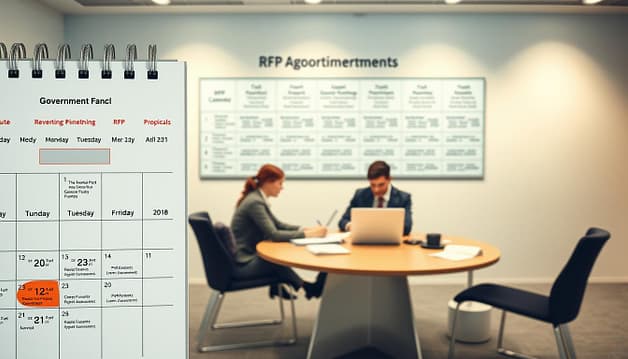
Programs like “Experience Ontario 2024” show the importance of timing. They have fixed application periods. This is a reminder to mark your calendar for future opportunities.
ARPA-style funds have accelerated timelines and end dates. These funds are not ongoing. They need quick action for big projects before the money runs out.
Park bonds are tied to elections or referendums. Getting a share of these funds may only happen once every decade. Planning your project to match these timelines is critical.
| Funding Program Type | Typical Application Window | Key Timing Consideration | Strategic Tip |
|---|---|---|---|
| Annual Grant Programs | Fixed 30-90 day period, often Q1 | Deadlines are absolute; planning must start 6+ months prior. | Use the off-cycle to build relationships and refine proposals. |
| Bond Initiatives (Park Bonds) | Tied to election/referendum date | Advocacy must peak during the campaign period, years in advance. | Integrate project messaging into broader community bond campaigns. |
| Federal/State Stimulus (ARPA-style) | Short, irregular windows post-legislation | Funds are obligated quickly; readiness to execute is key. | Have “shovel-ready” plans and compliance frameworks ready. |
| Municipal Budget Allocations | Aligned with jurisdiction’s budget cycle (often spring) | Departmental requests are finalized months before public review. | Engage with budget officers and council members during their drafting phase. |
Seeing timing as a strategic advantage changes how you work. It makes you proactive instead of reactive. For example, looking into Michigan sports facility grants requires knowing the state’s schedule. Success comes to those who align their plans with the public sector’s rhythm.
Understanding eligibility and timing is the first step. It turns a dream into a real, fundable project. It’s the essential step before you even start writing your proposal.
Crafting public proposals: align to policy goals—health, equity, climate resilience, youth safety
Think about the ‘safe routes to play’ concept. It’s a great idea that links fun activities with safe travel and health. It’s all about telling a story that shows how sports projects can help society. You need to make your proposal talk to what the government wants right now.
Funders want projects that help in many ways. The MLSE Foundation Community Action Grant is a good example. It looks for programs that help kids stay healthy, do well in school, and get ready for work. Your proposal should show how it will make a big difference.
It’s very important to make sure everyone can access the project. Like the ‘Grants for Special Needs Funding,’ you need to explain how you will make it fair for everyone. This means making sure it’s easy to get to, available everywhere, and open to all people, no matter their background.
A good proposal ties everything together with a clear goal. This is not just luck—it’s planning.
- Public Health: Show how active play can prevent diseases and make communities healthier.
- Social Equity: Explain how your project helps those who are often left out, making spaces for everyone.
- Climate Resilience: Use green features like special surfaces and plants to help with water and heat.
- Youth Safety: Offer safe, watched programs to help kids stay safe and grow well.
The safe routes to play idea is all about connecting neighborhoods to parks and schools safely. It’s about making travel safe, getting people moving, bringing communities together, and using green designs. This idea is something that funders really get behind.
Writing a public proposal that’s this well-planned is like being an artist. You’re not just asking for money; you’re showing a plan to change a community. This kind of confident, solution-focused language really speaks to government and foundation reviewers.
Match and compliance: procurement, prevailing wage, environmental review, reporting
Compliance frameworks are not just rules. They are the backbone of public projects, ensuring they are built right and with integrity. Getting a grant is a big win. But it’s how you manage it that really matters.
It’s about turning trust into real value for your community. This part needs clear, smart planning. Every rule is a piece of the puzzle for success.
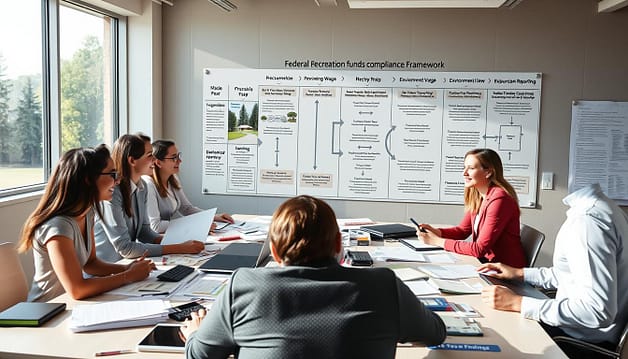
For projects with federal recreation funds, there are four key areas to focus on. These areas protect the public’s money and keep projects honest.
| Compliance Pillar | Key Requirements | Strategic Purpose |
|---|---|---|
| Public Procurement | Competitive bidding; detailed vendor checks; clear contract awards. | Guarantees fair prices, prevents fraud, and gets the best value for public money. |
| Prevailing Wage | Follows Davis-Bacon Act or state rules; certified payroll reports. | Respects local labor standards, supports local workers, and ensures quality. |
| Environmental Review | NEPA assessment; habitat, water, soil mitigation plans. | Reduces environmental harm, ensures site health, and avoids legal issues. |
| Periodic Reporting | Financial audits; outcome metrics; updates; demographic data. | Showcases good money management, measures impact, and keeps funding. |
Reporting has become key in grant management. It’s like the Canadian Safe Sport Program’s strict rules. Managing federal recreation funds means clear, data-based reports. It’s not just spending money. It’s showing how that spending helps health, fairness, and safety.
This structured approach makes a big difference. It turns short-term projects into lasting assets. It builds strong trust and a clear path for future funding. By understanding these rules, you don’t just follow them. You build lasting success.
Building political will: site visits, testimonials, budget memos, coalition letters
The energy of Kraft Hockeyville shows how communities can come together. This spirit is key for getting municipal grants. It’s not just about hockey; it’s about changing minds.
For local projects, being technically compliant is just the start. What really sets you apart is building strong political will. This makes council members become your champions.
The process is like a campaign with four main tools. Each tool has a special role in convincing decision-makers.
| Tool | Primary Objective | Key Action | Impact on Decision-Makers |
|---|---|---|---|
| Orchestrated Site Visits | Create an immersive, tangible experience. | Guide officials through the proposed space. Let them see, hear, and feel the need firsthand. | Moves the project from an abstract line item to a visceral community asset. |
| Curated Testimonials | Humanize the data with authentic voices. | Source powerful stories from diverse beneficiaries—youth, seniors, local business owners. | Provides emotional proof of community benefit that complements financial justifications. |
| Compelling Budget Memos | Tell a persuasive financial story. | Draft a concise narrative that frames costs as investments, highlighting long-term ROI and cost avoidance. | Translates project details into the fiduciary language officials are mandated to understand. |
| Broad Coalition Letters | Demonstrate unified, cross-sector support. | Secure endorsements from nonprofits, businesses, PTAs, and neighborhood associations. | Shows widespread backing, reducing political risk for officials who vote in favor. |
Orchestrated site visits are essential. A well-planned tour can do more than any presentation. Officials see the need firsthand.
This tactic is powerful for municipal grants. Councilors are directly accessible. The goal is to make the project seem inevitable.
Curated testimonials offer human proof. A parent talking about a safe place for their child is powerful. A local entrepreneur discussing increased foot traffic offers a practical view.
Diversity in voices is key. It paints a complete picture of community impact. These stories are the most memorable.
Compelling budget memos look beyond standard costs. They show every dollar as a strategic investment. A memo might compare the cost of new sports equipment to ongoing youth programs.
This document tells the financial story in a way that aligns with municipal priorities. It answers the “why now” question with urgency.
Forging broad coalition letters shows overwhelming support. A letter signed by ten groups is a strong signal. It shows the project benefits everyone.
This united front reduces risk for elected officials. It shows voting for the grant is a vote for the community’s consensus. Like Kraft Hockeyville rallies, this collective voice is hard to ignore.
Mastering these four tools turns a standard application into a movement. For those seeking municipal grants, this approach is the ultimate leverage. It turns community need into political action and secures funding for transformative projects.
Budgeting: capital vs O&M; lifecycle maintenance commitments
The true test of a project’s success is not just its start. It’s the care it gets over the years. Good community development needs smart money planning. This guide helps turn a one-time grant into a lasting asset.
At the heart of this planning is the split between Capital and Operations & Maintenance (O&M) budgets. Capital funds the lasting parts: new turf fields, tennis courts, and playgrounds. These are often paid for with park bonds or big grants.
O&M budgets, on the other hand, cover the daily costs. This includes staff, utilities, and repairs. Grants like JumpStart Community Development Grants make it clear what’s for capital and what’s for O&M.
Lifecycle costing is key to bridging these two. Getting a big grant for a new center is just the start. You must plan for 20, 30, or 50 years of upkeep. Lifecycle costing shows the total cost, including future expenses.
Good planning means facing future costs head-on. Avoiding this can lead to a new asset becoming a budget burden. True visionaries plan for maintenance from the start.
| Budget Type | Primary Purpose | Typical Funding Sources | Key Consideration |
|---|---|---|---|
| Capital Budget | Acquisition, construction, or major renovation of physical assets. | Park bonds, federal capital grants, state infrastructure programs. | Focuses on one-time, high-cost investments with a long useful life. |
| O&M Budget | Daily operations, programming, routine maintenance, and repairs. | Municipal general funds, program-specific grants, user fees. | Recurring, annual costs essential for functionality and safety. |
| Lifecycle Cost | Total financial outlay over an asset’s entire service life. | Combination of capital and O&M funding streams. | The definitive metric for evaluating a project’s true fiscal impact and sustainability. |
Building financial strength often needs statewide sports advocacy influencing policy. This ensures O&M funding is part of the conversation. It’s about more than just building; it’s about caring for it long-term.
The real success of a project isn’t just its start. It’s its lasting impact over years. By understanding capital and O&M, and planning for the long-term, communities build lasting legacies.
Case snapshots: mini-grant for equipment; multi-million park bond share
Two case studies show how public funding can make a big difference. One is a quick mini-grant, and the other is a big bond for a park. These examples show how state sports grants can help in many ways.
A local youth soccer league got a “JumpStart” grant to buy new equipment. This small grant, usually under $10,000, helped a lot. It bought goals, balls, and uniforms.
The league’s quality and participation improved right away. A league director said: “The grant didn’t just buy nets; it bought credibility. Kids saw we were invested, and their commitment deepened overnight.” This small amount of money made a big difference.
The second example is a big community park bond. This funding is like the Ontario Trillium Fund or municipal bonds. It’s used for big projects like new fields and courts.
Getting this funding takes a lot of work. It involves planning, public hearings, and environmental reviews. It’s not just about buying equipment but changing the community.
These examples show two ways to use state sports grants. The mini-grant is quick and helps right away. The park bond is bigger and changes the community for years to come.
| Aspect | Mini-Grant for Equipment | Multi-Million Park Bond Share |
|---|---|---|
| Grant Type | Operational / Program Support | Capital / Infrastructure Development |
| Funding Scale | $1,000 – $25,000 | $500,000 – $5M+ |
| Primary Purpose | Immediate quality & safety upgrade | Long-term community asset creation |
| Key Requirements | Simple application, quick reporting | Master plan, matching funds, environmental review |
| Typical Timeline | 3-6 months from application to impact | 2-5 years from vision to ribbon-cutting |
| Strategic Value | Builds political goodwill for larger asks | Transforms public space for generations |
The table shows the main differences between these two funding types. The right choice depends on your goals and resources. Start with a small win and then aim for a big project that will last.
Checklist: documents, deadlines, approvals; advocacy timeline
This final checklist makes grant applications easier. It’s your guide to turning funding dreams into real projects.
Start by collecting important documents. You’ll need a 501(c)(3) letter, audited financials, and site plans. For ARPA-style funds, get these ready quickly.
Next, create a 12-month plan for deadlines. Mark public hearings, RFPs, and submission dates. Projects like playgrounds and sidewalks need approvals from many city departments.
Know the approval process well. It goes from your board to the city council. Building support is ongoing; plan site visits and letters early.
Also, secure funds and plan for the future. This ensures you follow rules and manage ARPA funds well.
A successful project links health with infrastructure. With this checklist, you’re ready to lead your project from start to finish.