
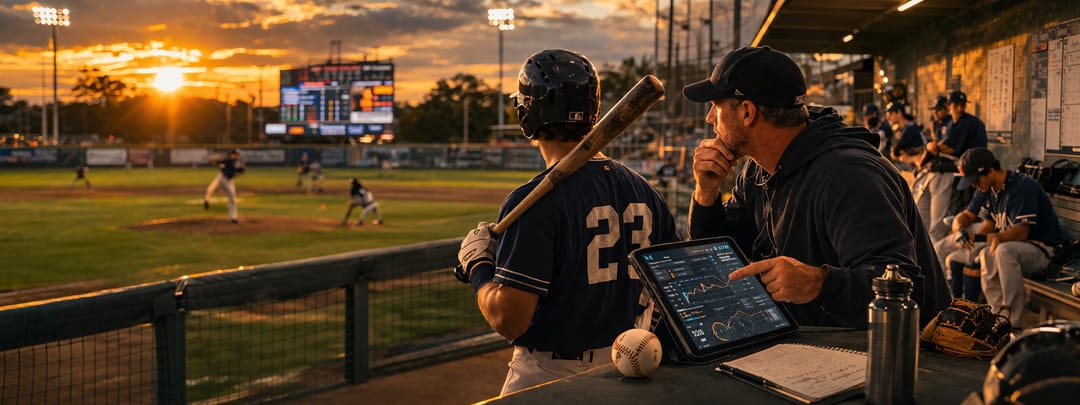
On paper, the standings of many minor league teams suggest inconsistency, instability, or even failure. But inside clubhouses and front offices, a different reality is taking shape. Across the United States, minor league systems are increasingly abandoning traditional win-loss priorities in favor of long-term player development. This shift is not accidental—it reflects a structural transformation in how success is defined, measured, and funded across the sports ecosystem.
The Shift From Scoreboards To Development Metrics
For decades, success in sports was defined by wins, championships, and standings. In minor leagues today, those metrics are becoming secondary.

Organizations like the Baltimore Orioles have explicitly prioritized development within their farm system. Their Low-A affiliate, the Delmarva Shorebirds, has frequently fielded one of the youngest and least experienced rosters in Minor League Baseball, focusing on preparing players for future levels rather than immediate results.
This approach reflects a broader philosophy: minor leagues exist to produce major league talent, not to dominate minor league standings.
Case Study: The Delmarva Shorebirds And Development-First Strategy
The Delmarva Shorebirds provide a clear example of this model in action. Following MLB’s 2021 restructuring of the minor league system, Delmarva became a primary entry point for international signees and newly drafted players.
These athletes often arrive:
- Directly from the Dominican Summer League or Florida Complex League
- With limited professional experience
- Still adjusting to full-season competition
As a result, performance inconsistencies are expected. The team’s recent rosters have included 17- and 18-year-old prospects, many of whom are years away from peak development.
Historically, this has translated into losing records—Delmarva posted a combined 158–233 record over a three-year span, underscoring how development takes precedence over winning outcomes.
Yet within this context, the objective is clear: growth, not results.
Redefining Success Metrics Across The System
As development becomes the primary focus, organizations are redefining how success is measured. Traditional metrics like wins and playoff appearances are being replaced by more granular performance indicators.
| Traditional Metric | Development-Focused Metric |
|---|---|
| Win-Loss Record | Player progression between levels |
| Team Rankings | Individual skill improvement |
| Championships | MLB readiness and call-ups |
| Attendance | Engagement in development programs |
This shift reflects a more sophisticated understanding of value creation. Teams are evaluated not by how many games they win, but by how effectively they prepare athletes for the next stage.
The Economic Logic Behind Development Prioritization
Prioritizing development is not just a strategic decision—it is an economic necessity. Developing talent internally is significantly more cost-effective than acquiring established players through free agency or transfers.
Minor league systems function as controlled environments where organizations can:
- Identify and refine talent at lower cost
- Reduce long-term payroll risk
- Build sustainable competitive pipelines
This model aligns with broader trends in sports economics, where efficiency and long-term asset creation are increasingly prioritized over short-term performance.
Infrastructure And Training As Core Investments
The shift toward development has also transformed how infrastructure is designed and utilized. Facilities are no longer built solely for competition—they are engineered to support continuous training and performance analysis.

Modern minor league complexes include:
- High-performance training centers
- Video analysis and biomechanics labs
- Recovery and rehabilitation facilities
These environments reinforce the idea that development is a year-round process, requiring sustained access to specialized resources.
Connections to broader minor league stadium investment trends show how facilities are evolving to support both community engagement and athlete development within a single ecosystem.
The Role Of Coaching And Organizational Philosophy
A development-first model requires alignment across coaching staff, front offices, and league structures. Coaches are tasked not with maximizing short-term wins, but with guiding long-term player growth.
This often means:
- Allowing players to experiment and fail
- Prioritizing skill development over game outcomes
- Managing playing time based on progression rather than performance
This philosophy can be counterintuitive to traditional sports culture, but it is essential for building resilient talent pipelines.
The Impact On Fans And Community Perception
One of the challenges of this model is managing expectations among fans and local communities. Minor league teams have historically been seen as competitive entities representing their cities.
When winning becomes secondary, engagement strategies must evolve. Teams increasingly focus on:
- Community events and local partnerships
- Youth development programs
- Fan experiences beyond game outcomes
This shift reframes the role of minor league teams as community assets rather than purely competitive organizations.
National Implications For U.S. Sports Development
The move toward development-first systems has implications beyond individual teams. It reflects a broader evolution in how the United States approaches athlete development at scale.
According to the USA Baseball development model, structured pathways and long-term training systems are essential for maintaining competitiveness at the international level.
Minor leagues are now central to this framework, serving as the bridge between amateur participation and professional performance.
Balancing Development And Competitive Integrity
While development is the priority, maintaining competitive integrity remains important. Games must still be meaningful, and leagues must preserve a level of balance that keeps players engaged and fans invested.

The challenge lies in ensuring that:
- Development goals do not undermine the competitive experience
- Players are exposed to high-pressure situations
- Teams maintain a baseline level of performance quality
This balance is critical for sustaining both player growth and public interest.
A New Definition Of Success In Sports Systems
The transformation of minor league systems signals a broader shift in how success is defined across sports. Winning remains important, but it is no longer the sole or even primary measure of value.
Instead, success is increasingly tied to:
- The efficiency of talent pipelines
- The quality of development environments
- The sustainability of organizational systems
In this context, minor leagues are not stepping stones—they are foundational components of a larger, interconnected ecosystem.