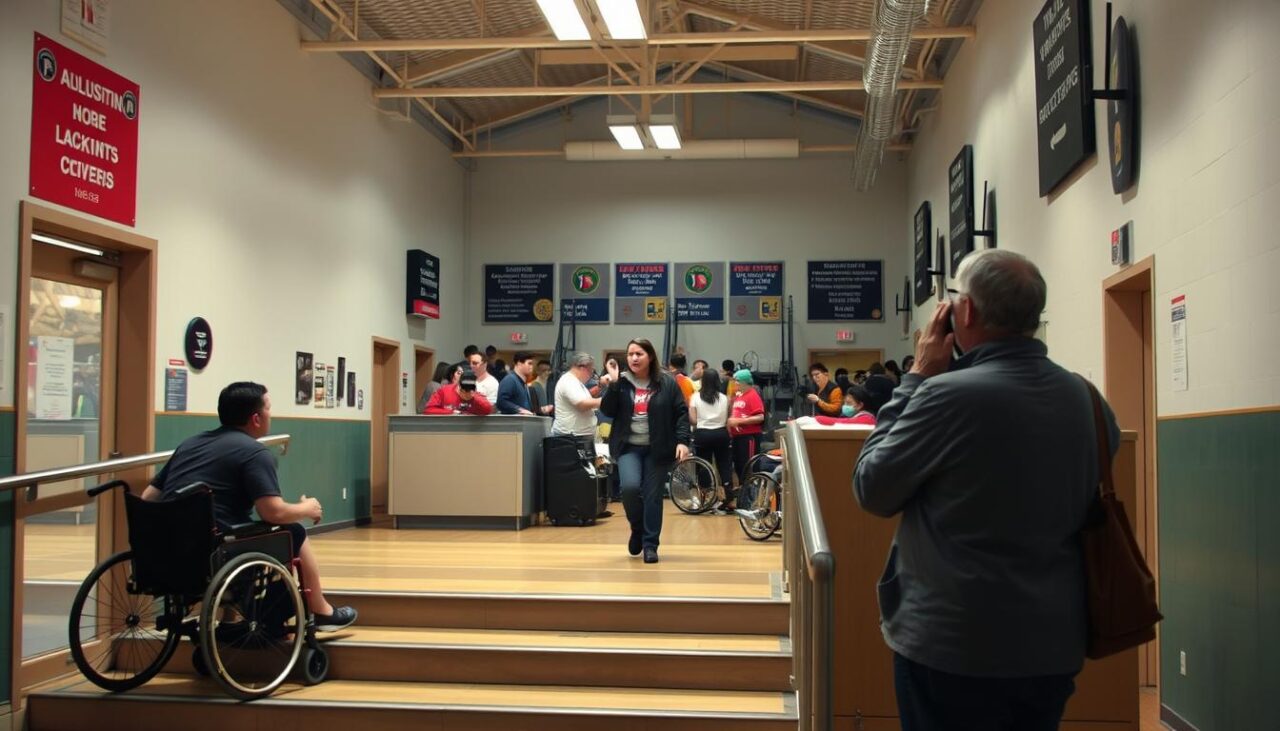
Let’s get real about sports. The playing field has never been fair. Some kids face obstacles that would stop even Olympic athletes.
Some kids get private coaching and travel to tournaments. But others can’t even afford good shoes. This shows how money can block kids from playing sports.
For some, getting to practice is a long journey. Cultural differences make some feel sports aren’t for them. And then there’s the issue of old courts versus new facilities.
This isn’t just about wanting to play. It’s about a system that’s unfair to many kids from the start.
Equity & Inclusion Initiatives
Let’s talk about the difference between checking boxes and actually changing the game. Too many organizations treat equity like a diversity bingo card. They mark squares without understanding the rules.
The smartest community programs operate like Moneyball meets Remember the Titans. They don’t just throw money at problems. They build ecosystems.

The Aspen Institute’s Service Learning Through Sports program is a great example. They give out $2,000 micro-grants to reach grassroots levels. But they also offer mentorship and learning retreats. It’s not just about the money; it’s about building support networks.
Fight For Children shows how partnerships create real inclusivity. Their adaptive sports programs understand that inclusion isn’t one-size-fits-all. They know that different programs, like wheelchair basketball and golf clinics, require different resources.
The most effective initiatives recognize that equity isn’t just equal funding. It’s about culturally responsive programming. Spirit North’s work with Indigenous youth shows how understanding cultural context transforms outcomes.
| Initiative | Key Components | Target Community | Unique Approach |
|---|---|---|---|
| Service Learning Through Sports | Micro-grants, mentorship, retreats | Various underserved groups | Ecosystem building |
| Fight For Children | Adaptive sports, partnerships | Youth with disabilities | Customized resource allocation |
| Spirit North | Culturally relevant programming | Indigenous youth | Cultural context integration |
| Gender equity programs | Mentorship, access expansion | Underrepresented genders | Systemic barrier removal |
These aren’t token gestures. They’re systemic changes disguised as sports programs. The best community programs understand that you can’t solve St. Louis’s needs with California’s playbook.
What makes these initiatives work? They move beyond superficial inclusion to address actual barriers. They’re not asking “How do we get more diverse participants?” but “What systems need to change to make participation possible?”
The result? Community programs that don’t just look good on annual reports but actually transform lives. They’re proving that smart equity work creates better sports experiences for everyone.
Funding & Resource Strategies
Let’s talk about money in youth sports. It’s not just about giving; it’s about investing in sports access. We’re seeing a big change from old charity ways to new investment strategies.
The Allstate Foundation is doing more than just giving money. They’re building strong systems. Their work is about creating lasting change, not just quick fixes.
They offer $2,000 micro-grants to students. These aren’t just gifts. They’re starting points for young entrepreneurs to make a difference.

Canadian Tire’s Jumpstart program helps kids by solving specific problems. They tackle costs like equipment and fees. It’s like solving a puzzle by fixing each piece.
Government programs and corporate sponsorships add to the mix. Together, they make a strong funding system. It’s diverse and can handle challenges.
The best strategies use many funding sources for sports access:
| Funding Source | Primary Focus | Impact Scale |
|---|---|---|
| Micro-grants | Local innovation | Community-level |
| Corporate Sponsorships | Equipment & facilities | Regional |
| Government Programs | Infrastructure & training | National |
| Operating Support Grants | Sustaining programs | Organization-level |
Operating support grants help programs grow. Funding for transportation and equipment makes a big difference. It turns old gear into new, proper equipment.
Right to Play shows how smart planning can make a big impact. They’re not just giving access; they’re building systems that keep access going. It’s like teaching someone to fish, but with soccer cleats.
Understanding sports access economics is like analyzing Warren Buffett’s investments. It’s about finding the best places to invest. It builds programs that grow and improve over time.
This smart approach turns sports access into a valuable investment. The benefits are healthier communities, better youth, and stronger social bonds. That’s a winning strategy.
Collaborations with Local Stakeholders
If sports access were a political campaign, these partnerships would be the ground game that wins elections. The most effective community programs understand something fundamental: local stakeholders aren’t just partners – they’re the secret sauce.
Take Fight For Children’s approach. They don’t just create programs; they embed themselves in schools and recreation centers. It’s like political organizing but with more sweat and fewer yard signs. Their model proves that sustainable change happens when outside resources meet local infrastructure.
The Aspen Institute takes this further with peer mentorship programs that would make any social network jealous. Young leaders coaching younger athletes creates a self-sustaining ecosystem. It’s peer-to-peer networking with actual nets involved.
Then there’s the real game-changer: Indigenous-led initiatives. Spirit North’s outdoor programs and Girls in Sport Leadership show what happens when communities design their own solutions. These aren’t outsiders parachuting in with preconceived notions. They’re culturally relevant programs built from the ground up.
Rishan Patel’s Alley-Oop Kids demonstrates the power of micro-collaborations. Lending lockers might seem small, but it’s these tangible resources that build trust. It’s the political equivalent of showing up with coffee instead of just sending emails.
The magic formula? Recognize that those closest to the problem hold the blueprints for the solution. The most successful community programs create networks where resources, expertise, and local knowledge flow in all directions. They’re building coalitions that would make any political strategist envious.
These collaborations prove that sports access isn’t about building new systems. It’s about connecting existing ones in smarter ways. The real victory happens when organizations stop competing and start connecting.
Measuring Success
In the world of youth sports, we can’t just give out participation trophies anymore. We need real metrics to show we’re making a difference. So, how do we know if our sports access efforts are truly effective?
Research from the University of Toronto shows that investing in youth sports brings big returns. For every dollar spent, communities see huge benefits. These include better grades, less anxiety, and improved health.
Kids who play sports tend to graduate more and feel less depressed. This isn’t just numbers – it’s real-life changes. The real magic is in what happens after the game ends.
Our data shows three key areas where sports access makes a big difference:
- Academic performance: Student athletes focus better and manage their time well
- Mental health Reduced anxiety and depression rates among participants
- Social inclusion: It helps break down barriers and build diverse friendships
A recent study on youth sports participation backs up what we’ve seen. The benefits go way beyond the field. Kids learn teamwork, leadership, and resilience, skills that last a lifetime.
We’re not just counting how many kids play. We’re looking at how they do in life. Better grades, attendance, and less trouble in school all show the impact of sports access.
The data is clear. Communities that focus on sports access see fewer obese kids, better grades, and less crime. It’s a powerful tool for youth development.
We track everything from donating equipment to creating future coaches and mentors. True success isn’t just about getting kids to play. It’s about what they learn and apply in life.
The metrics show what we’ve always believed: giving kids a chance to play makes them better people. And that’s something worth celebrating.
Community Testimonials
Carol Yan sees young golfers finding confidence on the green. Chandler Pointer and Chloe Anders bring accessible sports to Durham schools. Daniel Watson uses baseball to build life skills. Niam Taylor creates cycles of youth leadership through equipment and coaching.
These aren’t just feel-good stories. They show that innovation meets passion. Real change happens when young people get resources to solve problems in their own communities.
Rishin Tandon shares how Rising Stars organization amplifies these efforts. The impact speaks through every pass, every swing, every young leader stepping up.
Want to be part of this movement? Support community programs that turn dreams into reality. Sometimes the best experts wear cleats and carry hope.