
To shape public opinion and policy, you must cut through the noise. Today, everyone has a voice, making it hard for organizations to make a difference. This is the challenge of our time.
A disciplined, professional approach is key. You need a strong narrative that clearly states the problem and offers a solution. It must also have a timely hook to grab attention.
This hook could be a deadline, a current event, or a special day like Dr. Martin Luther King, Jr. holiday. These anchors give a strong reason to act now. The narrative phase gives you talking points to keep your message consistent. Then, a well-targeted media list is vital for spreading your message.
By mastering these steps, you turn communication into a powerful tool. For more tips on media outreach, check out these professional media outreach strategies. Also, see these data-driven advocacy stories for inspiration.
Build a Local Media List: beats, emails, social, freelancers
In today’s world, local beat reporters, niche bloggers, and freelance journalists hold a lot of power. They work at the edges of big networks. A well-made media list is key for any advocacy campaign. It turns random outreach into focused, respectful messages.
Don’t rely on generic databases. Success comes from doing your own research. You want to find every voice that matters in your area.
Building a good list needs careful planning. It’s all about knowing who covers what. A good list has:
- Beats: Find reporters by their coverage areas. A pitch about schools to a crime reporter won’t work.
- Emails: Get direct contact info. Don’t use generic newsroom emails. Use tools like Muck Rack or check recent articles.
- Social: Look at journalists’ profiles on Twitter/X and LinkedIn. They show what they’re interested in and how they like to be pitched.
- Freelancers: Look for local freelance journalists. They know the community well and can write for many places.
Knowing how journalists like to be pitched is important. Email is common, but many prefer social media. Watching these channels helps you know who to contact and how.
Freelancers are very important. They have deep local knowledge and can write for many places. Adding them to your media list makes it better and more complete.
Your list should be alive and always updated. Add new contacts and change it as needed. This way, your message reaches the right people and builds strong relationships.
Press Kit: fact sheet, bios, photos, quotes, b‑roll, logos
In today’s fast-paced world, a detailed press kit is key. It helps journalists work faster and builds trust. A well-organized kit shows you’re ready and competent.
Every part of a professional digital press kit has a purpose. Together, they tell a complete story.

A fact sheet is the base. It should have important data, goals, and policies in an easy-to-read format. Journalists use it to check facts fast.
Biographies of key people are also vital. They should be short and highlight the person’s achievements. This builds trust.
Visuals are a must in today’s media. Include high-quality photos and videos. These add context and energy to stories.
Quotes from trusted sources add a personal touch. Choose statements that sum up your main points. Always include the speaker’s full name and title.
Organizational logos in various formats are essential. Provide files that work on all platforms. This keeps your brand consistent.
| Component | Description | Format & Specifications |
|---|---|---|
| Fact Sheet | One-page document with key data, mission, and top-line points. | PDF; bullet points; updated contact info. |
| Biographical Sketches | Brief, professional bios for primary spokespeople and leadership. | 200-word max per person; include headshot link. |
| Photos | High-resolution headshots and candid, action-oriented images. | JPEG/PNG; 300 DPI; with clear captions. |
| Quotes | Powerful, attributable statements from credible sources. | Clearly marked with full name, title, and context. |
| B-Roll Video | Generic, high-quality footage for broadcast media use. | MP4 format; 30-90 seconds; no licensed music. |
| Logos | Official organizational logos in color and monochrome. | EPS (vector), PNG, JPG; with brand guidelines. |
Putting all these pieces into one folder is the last step. Use clear file names to help journalists find what they need. Make sure the kit is easy to find on your website.
A complete digital press kit shows you’re strategic and professional. It makes media inquiries smooth and efficient. This leads to better coverage and can help win votes.
Pitching: subject lines, hooks, data + human story pairing
The first thing a reporter sees is the subject line. It’s like a headline in a crowded inbox. It needs to be clear, interesting, and offer immediate value.
A good subject line is specific and newsy. Avoid vague words. Instead, highlight the most important part. For example, “New Poll: 65% of District Voters Support Policy X” is better than “Exciting Campaign Update.”
When the email opens, the first paragraph must grab the reader’s attention. It should answer the question: why should I care about this right now? This is key. It could be because of an upcoming vote, a recent study, an anniversary, or a breaking news event.
The best pitches mix hard data with a personal story. The data shows the scope and credibility. The story adds emotion and shows real impact.
This approach fits the “We Media” ethos, where personal stories engage people. After big events like 9/11, media used personal stories to make statistics real.
For a political campaign, pair a new economic statistic with a story from a local business owner. The data shows a trend. The story shows why it matters.
Using embargoes can make a pitch more appealing. An embargo lets a journalist have early access to information. This is great for complex topics like op-ed pitching.
A good pitch has a clear structure:
- Subject Line: Clear, newsy, and specific.
- Hook: Immediate “why now” relevance.
- Data Point: A single, powerful statistic or finding.
- Human Element: A brief case study or quote that embodies the data.
- Offer: Clear access to spokespeople, full data sets, or visuals.
- Embargo Notice (if applicable): Prominently stated at the very beginning.
Knowing how to structure a pitch turns information into a story. It shows you understand what journalists need. The result is a narrative that is both credible and engaging.
Events: press conference choreography, AV, run‑of‑show, accessibility
A successful advocacy press conference relies on three key areas: choreography, technology, and accessibility. A well-planned event can grab attention and build trust. This section will guide you on how to make your media event impactful.
Strategic Choreography Directs the Narrative
Every move in a press conference is planned. Choreography starts before the cameras start rolling. Teams map the space, setting up clear entry and exit points for speakers.
Speaker positions are key. The main speaker stands center, with coalition partners or community members on either side. This visual order shows leadership and unity. Speakers should follow a clear narrative, starting with personal stories and ending with policy demands.
Rehearsals are essential. Practicing ensures smooth entrances, exits, and podium use. This preparation helps avoid awkward moments that can undermine the message.
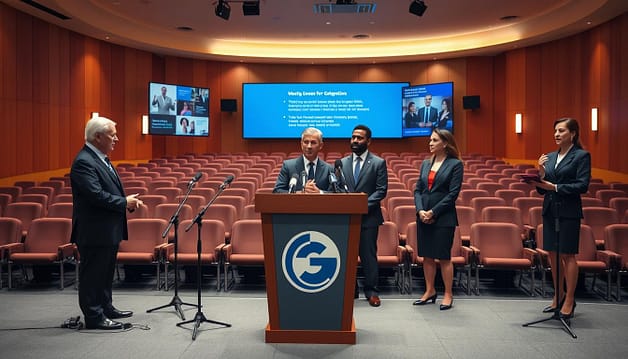
Good audio and video are vital for a press conference. Poor sound or lighting can lead to lost coverage. Use professional AV to manage these aspects.
For broadcast media, a mult-box provides clean audio feeds. Use lapel or handheld microphones for speakers. For virtual events, a stable internet, good webcams, and a streaming platform are needed.
Assign someone to monitor the live stream and handle comments or questions. Capture high-quality b-roll and photos for later use, extending the event’s impact.
The Run‑of‑Show Document Synchronizes All Elements
The run-of-show is the key to a smooth event. It outlines every detail, from start to finish. It’s given to all involved.
A good run-of-show includes:
- Timeline: Start time, speaker times, Q&A, and end time.
- Participant List: Names, titles, and speaking order of all speakers.
- Technical Cues: Instructions for lighting, slides, audio, and live-streaming.
- Contingency Plans: Staff for disruptions, late arrivals, or AV issues.
Following this document ensures the event runs smoothly and looks professional.
Accessibility as a Legal and Ethical Imperative
Accessibility is essential, not optional. It broadens your audience, shows integrity, and may be required by law. A press conference must be accessible to all, including those with disabilities.
Key accommodations include:
- Sign Language Interpretation: A certified ASL interpreter in the main camera frame.
- Real-Time Captioning: CART services for live events and streams.
- Physical Access: Venues with wheelchair-accessible areas.
- Material Access: Large-print materials and digital versions for screen readers.
Highlighting these features in media advisories shows your commitment to inclusion. It can attract more coverage from diverse outlets.
| Event Element | Critical Action | Responsible Party |
|---|---|---|
| Pre-Event Choreography | Conduct a full walkthrough and speaker rehearsal. | Event Manager |
| AV & Technical Setup | Test all mics, recorders, and live-stream links 60 minutes prior. | AV Technician |
| Run-of-Show Execution | Distribute final document and act as stage manager. | Producer |
| Accessibility Services | Confirm interpreter/captioner arrival and setup. | Logistics Coordinator |
| Post-Event Media | Distribute high-res photos, b-roll, and transcript within 2 hours. | Communications Staff |
A well-organized press conference turns a policy argument into a compelling story. By focusing on choreography, technology, a strict run-of-show, and accessibility, advocacy groups can get media coverage and public trust. This preparation can make a routine briefing into a key moment for a campaign.
Op‑Eds & LTEs: Structure, Placement Strategies, Bylines (Youth Voices)
Opinion editorials and letters to the editor are key in shaping public opinion. They have a big impact when done right. The rise of weblogs and opinion pieces shows their lasting power. Also, modern media values the views of everyday people.
A clear plan is needed for writing and placing these pieces. This is key for any communications strategy.
The op-ed structure is tried and true. It starts with a hook to grab the reader. Then, it clearly states the main argument.
Next, it backs up the argument with evidence. This can be data, stories, or expert opinions. It’s also important to address possible counter-arguments. This shows you’ve thought it through.
The final part should call the reader to action. This makes the message clear and purposeful.
Op-ed pitching is all about where you place your piece. You want to match the content with the right audience. A local paper is different from a national magazine or online site.
Finding the right place means doing your homework. Look for outlets that reach your target audience. Check their editorial stance and what they publish. Timing is also key, matching your piece with current events or debates.
Using bylines wisely is another smart move. Authentic voices, like those of youth activists or small business owners, add depth. They make the piece relatable and real.
This approach fits with the trend of sharing diverse voices. A youth voice on climate or a small business owner on economics is powerful. It turns the piece into a story that touches the heart.
Combining a solid structure, smart placement, and credible bylines is key. This way, your opinion piece doesn’t just get published. It also resonates and influences the audience.
Crisis Comms: holding statements, approvals, triage channels
In the fast-changing world of public advocacy, crises can strike without warning. A solid crisis communications plan is key to managing your reputation. It helps your organization respond quickly and accurately, keeping the public’s trust.
The first step is the holding statement. It fills the gap before all facts are known. A good statement should be factual, show your values, and promise more info later. It should never guess or blame.
Speed is essential, so a quick approval process is vital. Teams should plan and practice their approval chain during calm times. This includes legal, leadership, and communications teams. A smooth process means faster statements, saving hours.
Also, set up special channels for media questions. Use a specific email address and watch key journalists on social media. This keeps your team focused and answers questions well.
Getting ready for a crisis means more than just process. You need crisis-specific talking points. These messages help everyone speak the same language. Good talking points are clear, cover expected questions, and stay on message.
- Articulate the organization’s position clearly.
- Anticipate likely questions and concerns.
- Bridge back to core advocacy messages where possible.
- Provide factual guardrails to prevent off-message speculation.
Putting together holding statements, a quick approval process, media channels, and talking points makes a strong defense. When a crisis comes, your team is ready. They protect your reputation and keep your mission on track.
Measurement: clips, reach, sentiment, policymaker mentions
The measurement phase looks at how media efforts really make a difference. It’s about seeing if your plans are working, not just doing things. This step is key to knowing if your campaign is worth the money and to make better decisions next time.
Good measurement uses a mix of important indicators. These indicators show how much and how well your message is getting out. A strong system looks at both the numbers and the quality of the coverage.
Clip volume is a basic number that counts how many times your message is shared. But, it’s more useful when you break it down by type of media, where it’s seen, and who’s sharing it.
Segmenting your media coverage helps you see which channels are best for your message. This way, you can focus on the most effective ways to reach people.
Potential audience reach shows how many people might see your message. It helps you understand how big your media presence is. It answers the question of how many people might see your story.
Looking at the quality of media coverage adds a lot of value. Media sentiment analysis checks if the coverage is good, bad, or neutral. This shows how people really feel about your campaign or issue.
Tools can automatically track how people feel about your campaign online and on TV. Knowing how people feel helps you quickly respond to bad news. It also helps you find who is supporting your cause.
The most important thing for advocacy campaigns is tracking when politicians talk about your issue. This shows if your campaign is really making a difference.
Tracking policymaker mentions is a strong sign of your campaign’s impact. It shows that your message is getting through to those who can make a change. Keeping records of these mentions proves your campaign’s success.
Good measurement is more than just counting clips. It’s about linking media coverage to your goals. Did your coverage change opinions? Did it influence a decision-maker?
A dashboard that shows clips, reach, sentiment, and policymaker mentions gives a full picture. This helps you see what’s working and what needs improvement. It turns data into useful information for making better decisions.
In the end, careful measurement proves that media relations are worth the investment. It shows that communications are a valuable part of your strategy. This approach is key to getting more support and improving your advocacy efforts.
Templates: press release, media advisory, op‑ed outline
Effective media relations need a professional touch. Ready-to-use templates offer a quick start.
A standard press release template follows AP Style. It has a catchy headline, a clear dateline, and a strong lead. It also includes quotes from leaders, an organizational summary, and contact details. This makes it easy for journalists to get the news.
The media advisory template is all about the event details. It tells who, what, when, where, and why. It’s key for getting press coverage of events.
An op-ed outline helps craft a compelling argument. It starts with a strong thesis, then adds evidence and personal stories. It also tackles opposing views and ends with a call to action. Targeting big outlets like The Wall Street Journal can boost success.
These templates are the heart of a professional press kit. They turn strategy into action. A full press kit, with these tools, lets teams confidently execute their media plans.