
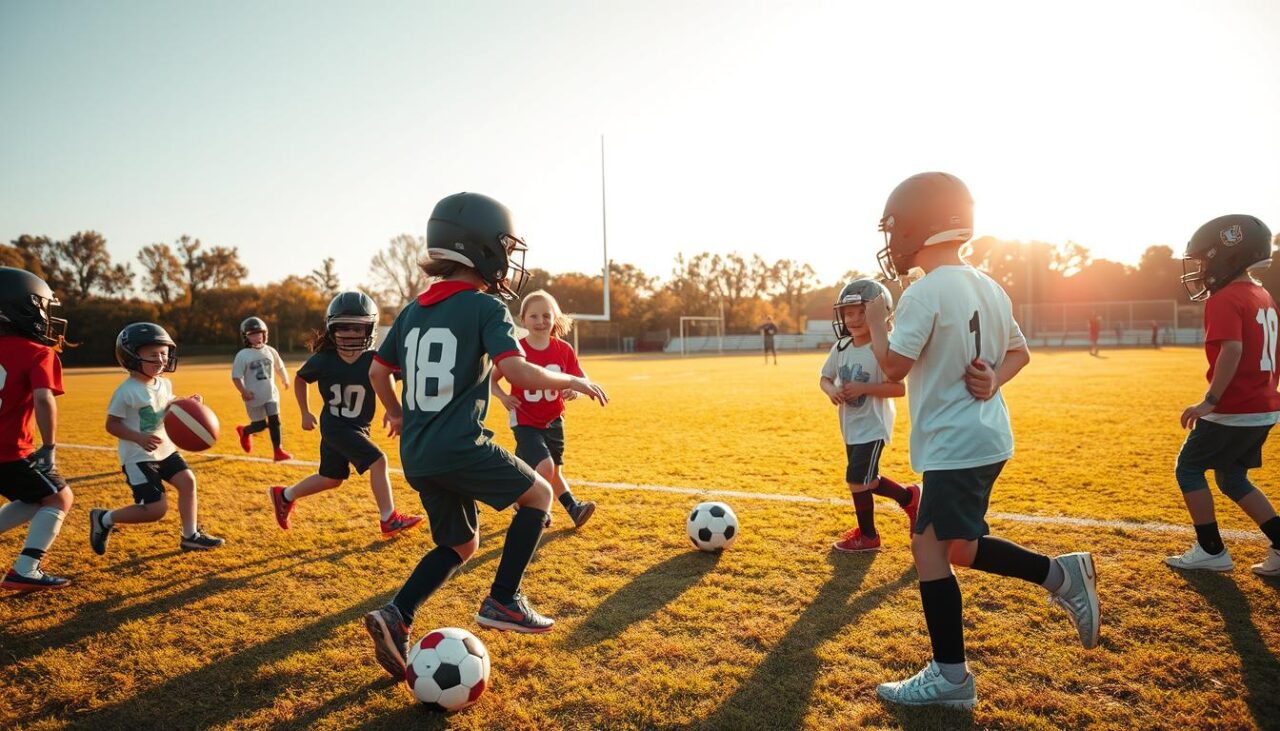
Saturday morning youth sports are like organized chaos with better uniforms. I’ve seen enough games to know we’re cheering for touchdowns while watching biomechanical disasters unfold.
The data shows an uncomfortable truth. Ice hockey checks are as dangerous as NASCAR collisions. Football impacts are so strong, they’d register on imaginary Richter scales. We’re talking about ankle sprains with more twists than a M. Night Shyamalan plot.
ACL tears sound like celery snapping in silent rooms. Concussions leave kids more confused than vegetarians at steakhouses. Recent studies show boys understand safe play concepts better than girls.
This knowledge gap explains a lot about gender dynamics in sports. It’s like giving someone Madden rules without explaining first downs. You’re just setting young athletes up for failure.
This section unpacks the statistical reality of youth sports injury prevention with the dark humor it deserves.
Recognizing and Responding to Concussions
When your kid gets hit in the head, it’s more than just a game pause. It’s the start of a serious medical situation. The brain is the main character in this drama.
We’ve all seen those hits that make everyone gasp. The forearm to head, knee to head, and helmet-to-helmet impacts are common. They look like they belong in a different sport.

Concussions don’t have clear signs. Symptoms like dizziness, headaches, vision problems, and nausea sneak up on you. They’re like unwanted guests at a party.
Many adults don’t take concussions seriously. We think a little shake of the head will fix it. But it’s not just a minor issue. It’s your child’s brain facing a major problem.
The real danger isn’t the first impact – it’s what comes next. Second impact syndrome is a serious condition. It can cause brain swelling, leading to permanent damage or even death.
Spotting a concussion needs sharp eyes and a caring heart. Look for signs like confusion, slurred speech, clumsiness, light or sound sensitivity, and memory gaps.
- Confusion about game details or positions
- Slurred speech or delayed responses
- Clumsiness that seems out of character
- Sensitivity to light or sound
- Memory gaps about the hit or subsequent events
The return-to-play rule isn’t just a penalty. It’s a careful plan to help the brain heal. Brains aren’t like muscles that can just keep going.
Getting hit multiple times has serious effects. It’s like compound interest for your brain. It can lead to memory problems, mood issues, and cognitive challenges.
If you think someone has a concussion, act fast. Get them off the field, see a doctor, and follow the return-to-play plan carefully. There are no second chances with brain injuries.
Prevention Strategies
Watching youth sports can feel like watching a Darwin Awards audition. But, we can prevent most injuries without wrapping our kids in bubble wrap. The CDC’s recommendations offer a blueprint for sanity in youth sports.
Contact practices are a big issue. Reducing them from three to two days a week cuts head impacts by 42%. This is a huge drop, not a small one. It makes sense that practicing collisions leads to more collisions.

Flag football is a smart choice for younger athletes. It’s like choosing a training wheels bike over a motorcycle for a six-year-old. The skills transfer, the excitement remains, but the risk drops a lot.
Proper technique coaching is key. It’s not about winning games, but ensuring kids can remember their names at 40. Teaching safe tackling, heading, and contact methods protects young athletes.
Penalty enforcement is often overlooked in injury prevention. When officials call dangerous plays, coaches stop teaching them, and players stop trying. It’s basic behavioral psychology with shoulder pads.
Comprehensive education programs create a culture of safety. When everyone understands the risks and prevention strategies, we all become part of the solution. For more detailed injury prevention guidance, experts recommend specific training protocols.
| Strategy | Implementation | Impact Reduction |
|---|---|---|
| Reduced Contact Practices | Limit to 2 days/week | 42% fewer head impacts |
| Flag Football Programs | Replace tackle for ages 6-12 | 60% fewer concussions |
| Technique Training | Weekly proper form drills | 38% fewer injuries |
| Strict Penalty Enforcement | Immediate consequences for dangerous play | 31% fewer high-risk impacts |
The data shows these strategies work. They’re not about making sports “soft.” They’re about keeping kids safe while letting them play the games they love. That’s not being overprotective – that’s being smart.
Ultimately, injury prevention in youth sports comes down to one simple question: Do we want to develop athletes or protect children? The beautiful part is that with the right strategies, we can do both.
Latest Protective Equipment
Modern youth sports equipment has changed a lot. It’s now high-tech, thanks to materials science and biomechanics. This gear is designed to keep young athletes safe while they play.
Helmets are a big deal now. They’re not just simple caps anymore. Today’s helmets have special padding, fit perfectly, and even track impacts.
Shoulder pads have also improved a lot. They now spread out impact forces and let athletes move freely. The best ones have hard outer shells and soft inside parts.
Mouth guards are also more advanced. They’re not just simple plastic anymore. Now, they fit your mouth perfectly and absorb impacts, helping prevent injuries.
| Equipment Type | Key Features | Protection Level | Maintenance Needs |
|---|---|---|---|
| Football Helmets | Multi-layer padding, impact sensors | High (head injuries) | Annual recertification |
| Mouth Guards | Custom fit, impact absorption | Medium (dental/concussion) | Replace every season |
| Protective Eyewear | Polycarbonate lenses, wraparound design | High (eye injuries) | Clean after each use |
| Compression Gear | Impact-resistant padding, moisture-wicking | Medium (body impacts) | Machine washable |
Eye protection is key. Sports goggles now have strong lenses that don’t break easily. For those who wear glasses, special sports frames protect eyes without affecting vision.
Protecting the lower body is important too. Hip pads, tailbone protectors, and knee pads are now part of uniforms. They’re thin, flexible, and protect without getting in the way.
Cleats have changed too. They now support ankles, absorb impacts, and have special grips for different surfaces. They help keep athletes stable and safe from injuries.
All this gear is for one main reason: to make playing sports safe. But, the right gear only works if it fits well and is kept in good condition. It’s important to get it fitted by experts and check it often for damage.
The link between equipment and safety is strong. Good gear helps prevent injuries, but it’s the right equipment and smart playing that make sports safe. The technology is here; it’s up to everyone to use it right.
Implementing Safety Training
“Safety protocols” often lack structure, like a Jenga tower after a few drinks. Real safety means more than just handing out ice packs. It’s about creating systems that protect young athletes.
Pre-season physical exams should check more than just heart rate and height. They should look for underlying issues. These exams are key to preventing injuries.
Warm-ups need more respect than the usual five minutes of jumping jacks. A good warm-up includes jogging, stretching, and sport-specific movements. It prepares the body for impact better than any pep talk.
Studying playbooks is not just about winning games. It’s about preventing collisions. When players know their positions and patterns, they move better and safer.
Neck strengthening exercises are often overlooked in youth sports. They help create shock absorbers in the neck. Strong necks can reduce concussion risk by stabilizing the body during impacts.
Boston Children’s Hospital shows what real safety training looks like. Their programs combine physical and mental training. This approach makes athletes resilient and mentally sharp. It’s not just science—it’s engineering for young brains.
The difference between good safety training and chaos is intentionality. Every drill and warm-up helps build athletes who can play safely. It’s about making safety a part of the game.
Creating a culture where safety is the foundation is key. When coaches focus on proper training, they’re not being soft. They’re being smart to keep their players safe.
Advocacy for Better Protocols
Youth sports shouldn’t be like medieval jousting tournaments. We need to stop treating symptoms and fix the real problems. It’s time to move from the “let them play” idea to real rule enforcement.
Coaching education needs to get better than just YouTube videos. Parents should learn more than just hoping their kids will be like Tom Brady. Safety should come before winning at all costs in policy changes.
Research shows strict officiating can cut injuries by almost 30%. Rules do matter when followed. This isn’t about making sports too safe. It’s about making them safe for kids.
We need a big change in how we see youth sports. We need to mix passion with solid data to prevent injuries. This is like fighting a preventable disease.
We can keep the game exciting and safe at the same time. Better rules protect athletes without losing the competitive spirit. This is a win for everyone.