

We’ve spent decades focusing on physical performance, ignoring mental health. It’s like trying to build a Ferrari with a lawnmower engine.
Research shows a surprising truth. Being an athlete can make you feel better, but top athletes often feel more stressed. They win trophies, but struggle when they’re alone.
This isn’t about avoiding problems. It’s about reaching your full ability. Mental fitness is key to turning talent into legendary achievements.
We’re learning that being human is more important than being athletic. Treating mental health as a way to improve performance, not just fix problems, is the real game-changer.
Psychological Benefits of Sport
Sports are quietly teaching us about mental strength. The proof is clear and strong. Movement is a powerful tool for our minds.
Team sports lead the way in mental health. People who play together get more benefits than those who play alone. It shows that working together builds stronger minds.

So, what are these benefits? They’re like a dream list for well-being:
- Self-esteem boosts that would make even a celebrity publicist jealous
- Life satisfaction levels that rival finding an extra chicken nugget in your six-piece
- Reduced depression, anxiety, and stress—nature’s Xanax without the prescription
For youth athletes, these benefits go beyond the game. They build skills that help in school, work, and life’s challenges. The court is a place where they learn to be resilient.
Mental skills training makes these benefits even stronger. Athletes who practice visualization, mindfulness, and emotional regulation do better. They also develop skills that help in life and work.
The research from Saybrook University backs up what coaches have seen for years. Sports give young people a place to learn to handle pressure and succeed together. It’s not just about winning; it’s about growing mentally.
So, when someone says sports are just physical, remember: they’re building mental strength too. In today’s world, that’s incredibly valuable.
Identifying Challenges
Let’s look beyond the victory speeches and see what really happens when the lights go out. The world of sports is a mix of pressure and psychological games. It’s like a storm that would make even Freud wonder.
Today’s youth athletes face three big challenges: the rise of professional sports, constant digital scrutiny, and barriers in the system. We’re pushing twelve-year-olds to be like Olympic athletes while their phones are full of social media comments.
The rise of professional youth sports has turned playgrounds into high-pressure environments. With travel teams, year-round seasons, and dreams of scholarships, what was once fun has turned into intense competition.
Then, COVID-19 hit. When sports seasons ended, 40% of 13,000 US teen athletes reported feeling very depressed. The loss of their sports life was a huge blow.
Discrimination adds more challenges. Racial bias, gender inequality, and economic barriers make it harder for young athletes to succeed. These issues affect their mental health before they even start playing.
The real danger is the need to hide struggles. Young athletes are taught to ignore pain and keep a tough face. They hide their true feelings behind a mask of strength.
So, how do we know when someone is struggling? Look out for these signs:
- Being too perfect in sports
- Withdrawing from friends and teammates
- Changes in eating or sleeping habits
- Unusual anger or mood swings
- Not enjoying activities they used to love
The digital world makes everything worse. Social media means constant criticism and scrutiny. It’s like having a thousand critics in your pocket all the time.
Seeing these challenges isn’t about avoiding competition or being too soft. It’s about being aware so we can support young athletes without hurting them.
We don’t want to remove all pressure, but we need to make sure it doesn’t overwhelm them. The goal is to help them grow as athletes and people, not to lose them in the process.
Creating Supportive Environments
Locker rooms often have better concussion plans than mental health support. We focus a lot on physical recovery but overlook mental health. It’s like mental health is an extra feature, not a priority.
Creating a supportive team culture means more than just adding safety measures. It’s about making it okay to be vulnerable. Imagine if we analyzed mental health like we do game footage, with curiosity and not judgment.
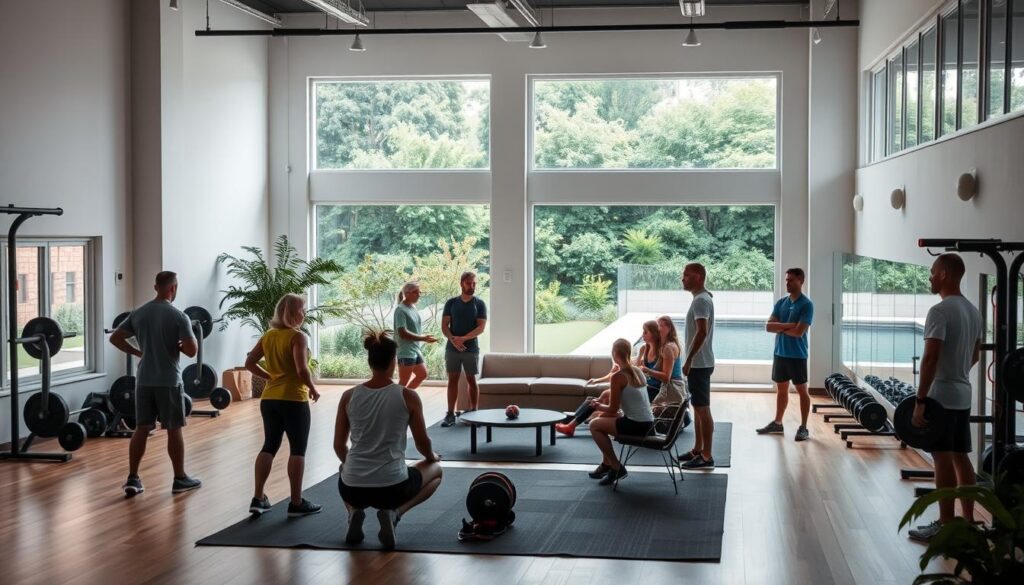
The first rule of mental health club is to talk about it. We need regular check-ins that go beyond physical health. It’s about improving performance through genuine connections.
Mental health literacy should be deep across the whole organization. Everyone, from ball boys to managers, should see seeking help as a sign of strength. Having a sports psychologist ready to help shows we truly care.
Understanding different pressures is key to cultural competence. Athletes with family expectations or financial burdens need specific support. One-size-fits-all approaches don’t work for everyone, just like generic workout plans don’t fit all athletes.
Here are some practical steps for change:
- Implement mandatory mental health first aid training for coaches
- Create clear referral pathways to sports psychologists
- Normalize mental health discussions in team meetings
- Establish anonymous reporting systems for concerns
The change won’t come from just policies. It needs real actions from athletes and coaches. When the star player talks about their sports psychologist, it sets a powerful example.
Creating supportive environments in sports is a skill that needs practice. The question is, can we afford to ignore this?
Resources for Coaches & Leaders
Most coaches don’t get much training in athlete psychology. It’s like they’re expected to be experts in mental toughness, but they’re not. They’re expected to help youth athletes deal with pressure and stress like pros.
We’re moving away from the old “suck it up” way of coaching. Now, we have real techniques backed by research that actually work.
Mental skills training is now for all athletes, not just the top ones. Here are three key techniques every coach should know:
- Mindfulness: It’s not just about meditation. It’s about staying focused during games. It’s like mental exercises to improve concentration.
- Visualization: The brain can’t tell the difference between real success and imagined success. It’s like creating a mental movie of winning before it happens.
- Positive self-talk: Telling yourself you’re bad doesn’t help. It’s about being kind to yourself and encouraging yourself to do better.
But many programs focus too much on winning. They forget to measure growth, effort, and how athletes handle their emotions.
Here’s what we can do to help:
- Wait until late teens to specialize in one sport. Early specialization can be too risky.
- Teach youth athletes how to use social media wisely. It’s important for their mental health.
- Make sure athletes check in on their mental health as often as they do their physical health. A strong mind is just as important as a strong body.
We need to change how we teach coaches. We’re not asking them to be therapists, just better at their job. Coaches should help athletes handle pressure, bounce back from setbacks, and enjoy the game.
Building better athletes is important, but building better people is even more so. That might be the biggest win of all.
Stories from Local Programs
Proof lives in locker rooms, not research papers. Real change happens when coaches check in on mental health before practice. Teams build real camaraderie, not just through trust falls.
Kelsey Thoensen’s journey is inspiring. She went from a struggling athlete to a mental health advocate. Her story at Morgan’s Message shows how personal change can lead to cultural shifts.
Local soccer clubs now work with therapists for support. High school basketball teams talk about anxiety openly. College athletic departments make mental health resources as important as weight rooms.
These programs show winning cultures don’t need broken humans. Success is about athletes talking openly about depression. The real victory is creating sports where people are valued more than points.
The revolution isn’t coming – it’s already happening on local fields. Mental health is getting the attention it deserves.