
s have always carried a balance between opportunity and risk. Competition encourages discipline, teamwork, and resilience—but it also places physical demands on developing athletes. In recent years, a new approach has emerged to better manage those risks: data-driven health monitoring.
Advances in wearable technology, environmental sensors, and digital health tracking are transforming how leagues, coaches, and medical staff understand athlete safety. Instead of reacting to injuries after they occur, youth sports organizations are increasingly focusing on predicting and preventing health issues before they escalate.
As participation numbers remain high and competition intensifies, data is becoming one of the most important tools in protecting young athletes.
Why Health Monitoring Is Becoming Essential In Youth Sports
The modern youth sports landscape is far more demanding than it was even a decade ago. Many athletes now participate in year-round training programs, club leagues, and travel tournaments, dramatically increasing cumulative physical stress.
Several factors are driving the need for improved monitoring:
- Increased training intensity and specialization at younger ages
- Rising awareness of concussion and overuse injuries
- Environmental stressors such as extreme heat and air quality
- Greater expectations from parents, leagues, and governing bodies
Without structured monitoring, small warning signs—fatigue, dehydration, elevated heart rate, or declining recovery—can go unnoticed until they become injuries.
Health monitoring systems provide a way to track early indicators of physical strain, allowing coaches and trainers to adjust workloads before problems occur.
Wearable Technology And Real-Time Athlete Data
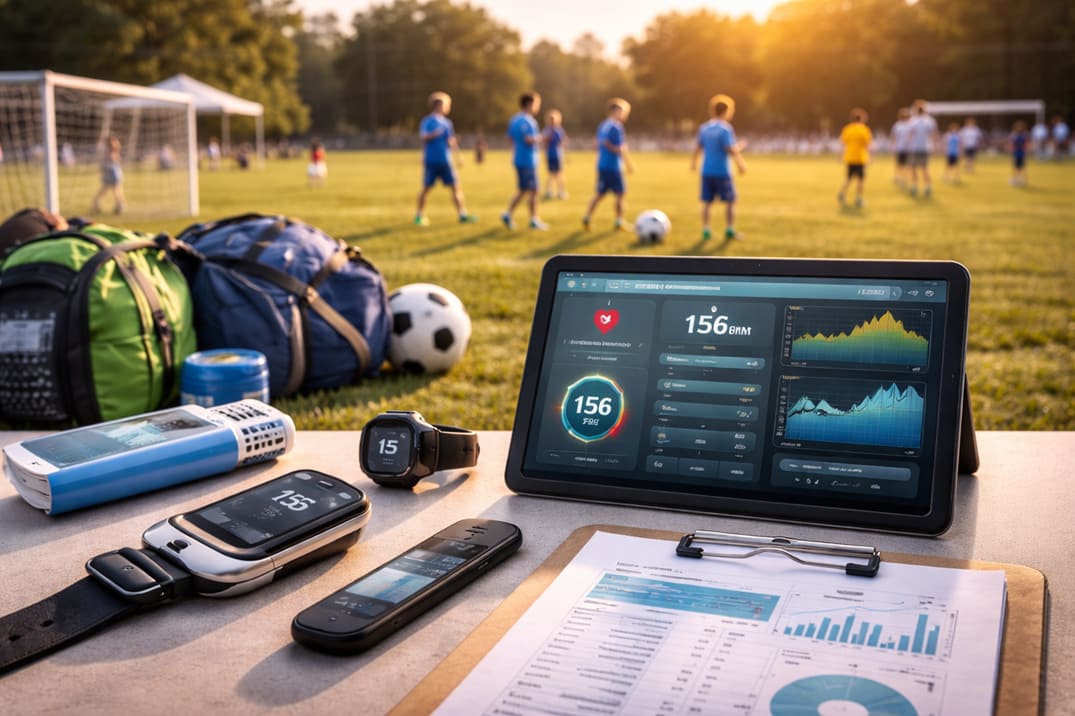
One of the most visible changes in youth sports safety is the rise of wearable performance technology. Devices once used only by professional teams are now appearing in high school and competitive youth programs.

These wearables track metrics such as heart rate, acceleration, workload intensity, and recovery time.
| Metric Tracked | What It Measures | Why It Matters |
|---|---|---|
| Heart Rate Monitoring | Cardiovascular stress during activity | Detects excessive exertion and fatigue |
| GPS Movement Tracking | Distance, speed, and acceleration | Identifies overtraining and workload imbalance |
| Impact Sensors | Force from collisions or falls | Helps evaluate concussion risk |
| Recovery Data | Resting heart rate and recovery time | Indicates readiness for training |
When analyzed correctly, these metrics allow coaching staff to adjust training plans based on actual physiological feedback rather than guesswork.
The result is a more personalized approach to athlete development and safety.
Environmental Data And Game-Day Risk Management
Health monitoring extends beyond the athlete’s body. Environmental conditions—heat, humidity, air quality, and surface temperatures—can significantly affect player safety.
Many organizations now combine athlete metrics with real-time climate and environmental data to determine whether games or practices should proceed.
For example, leagues increasingly rely on air quality monitoring for outdoor sports when wildfire smoke affects regional air conditions. These systems help administrators decide when activity should be delayed or moved indoors.
A helpful resource for environmental monitoring standards comes from the ****, which many youth leagues reference when establishing safety thresholds.
By integrating environmental alerts into scheduling decisions, organizations can reduce the risk of heat illness, respiratory distress, and other preventable health problems.
The Role Of Data In Preventing Overuse Injuries
Overuse injuries remain one of the most common health challenges in youth athletics. Conditions such as stress fractures, tendonitis, and ligament strain often develop gradually through repetitive movement and insufficient recovery.
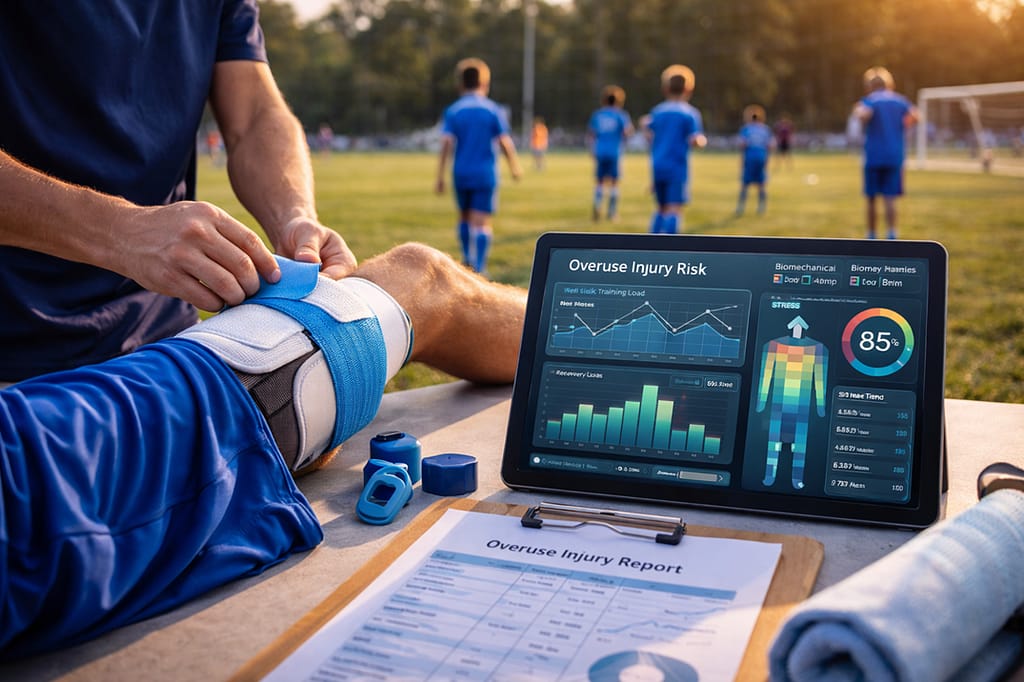
Data monitoring helps address this issue by revealing workload patterns that might otherwise remain invisible.
| Risk Factor | Monitoring Solution | Preventive Outcome |
|---|---|---|
| Excessive weekly training volume | GPS and activity tracking | Adjust practice intensity |
| Insufficient recovery between games | Recovery and fatigue metrics | Schedule rest periods |
| Repetitive movement patterns | Biomechanical analysis | Improve technique |
| Seasonal overtraining | Cumulative workload tracking | Limit annual exposure |
With proper monitoring, coaches can identify when athletes are approaching dangerous workload levels and intervene before injuries occur.
This approach aligns with the broader shift toward evidence-based athlete management across youth sports programs.
Privacy, Ethics, And Responsible Data Use
While health monitoring technology offers significant safety benefits, it also raises important questions about privacy and data ownership.
Youth athletes are minors, and their health information must be handled carefully. Organizations implementing monitoring systems must address several ethical considerations:
- Who owns the athlete’s data
- How long the data is stored
- Who has permission to access it
- How it is used in decision-making
Transparent policies are essential to maintain trust among families and athletes.
Responsible monitoring programs focus on protecting athlete well-being rather than maximizing performance metrics.
Building Safer Youth Sports Systems Through Data
The future of youth sports safety will likely rely on integrated monitoring systems that combine several types of data:
- Athlete physiological metrics
- Environmental conditions
- Training workload analysis
- Injury history tracking
Together, these tools allow leagues and coaches to move from reactive injury response to proactive safety management.
This approach also complements broader conversations about sustainable and responsible sports development, including topics such as facility design, environmental safety, and community-focused infrastructure planning discussed in heat maps and safe play in youth sports scheduling.
Ultimately, the goal is not to replace coaching expertise with technology. Instead, data provides another layer of insight, helping communities ensure that youth sports remain both competitive and safe.
As the youth sports ecosystem continues to grow, the programs that prioritize health monitoring will be the ones best positioned to support long-term athlete development, safety, and participation.