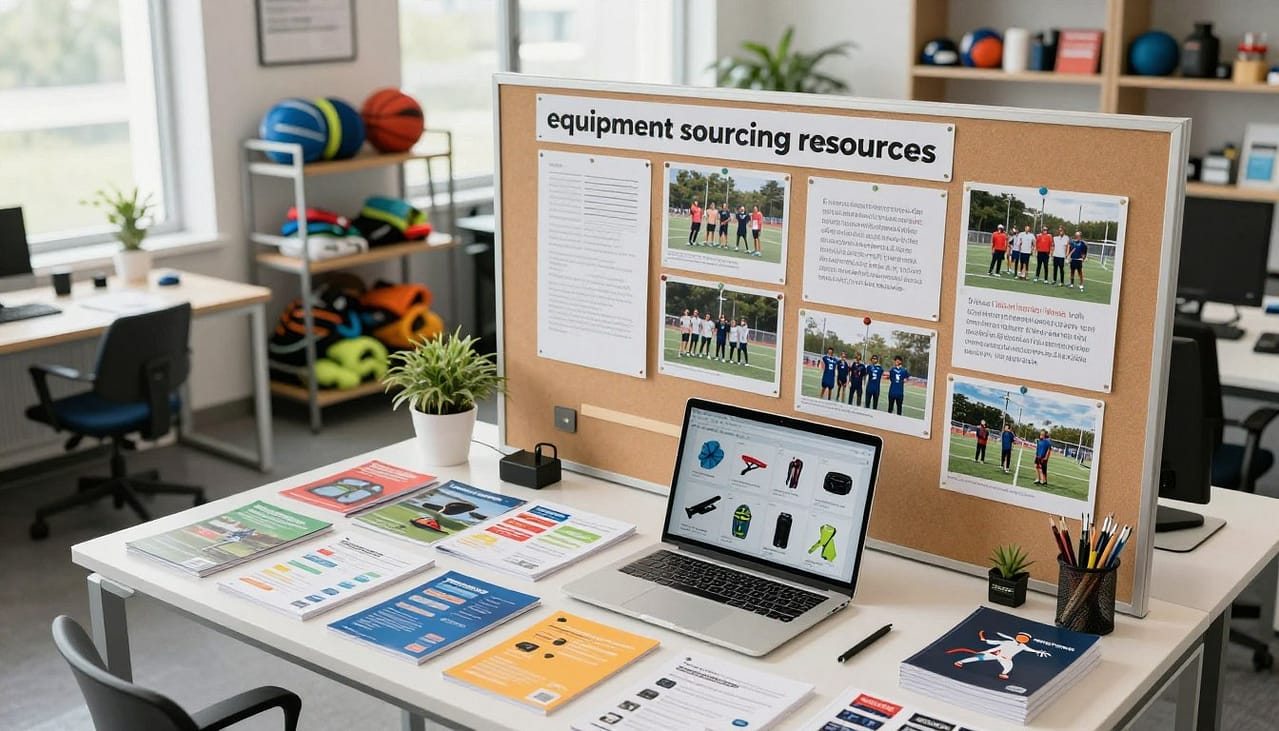
Finding good gear for community sports can feel like searching through trash. Volunteer coordinators often get lost in details like foam density on soccer balls. It’s ironic because we have too many choices but not enough quality.
This is a story about having too much and not enough. It’s like two different worlds. One has fancy gear, and the other has to make do with scraps.
Groups like Good Sports help by working with big brands and teams. They send gear to where it’s needed most. Their work is real change, not just charity.
By the end of this, you’ll see that smart sourcing isn’t about spending more. It’s about knowing where to look and what to ignore. For more on this, check out this resource.
Direct vs. Bulk Buyers
In the world of sports equipment sourcing, choosing between direct and bulk buying is like playing chess. Each move has its pros and cons. Buying directly from manufacturers might seem like a good idea at first. It seems like you’re saving money by avoiding the middleman.
But for community programs, this choice often leads to a harsh reality. Manufacturers usually focus on big clients, ignoring smaller orders. Even if you think you’re getting a top-quality product, your small order might not matter much.
Bulk buyers, on the other hand, combine orders from many programs. This can lead to much lower prices. Imagine paying $18 for a basketball instead of $45! That’s a big savings that can help with other program needs. But, there’s a catch: bulk buyers might sell old inventory quickly, like a store closing down.
This creates a big dilemma for community leagues. Everyone wants to save money by buying together, but no one wants to start. It’s like a game of musical chairs—everyone waits for someone else to start, fearing being left out. The way you buy things can greatly affect your costs.
So, whether you buy directly or through bulk channels, it will impact your program’s success. It’s not just about the cost at first; it’s about building strong relationships and a sustainable way to get equipment. As you decide, remember that how you buy things can make a big difference in your program’s future.

For more insights on bulk buying strategies, check out this resource that can help guide your decisions.
Negotiating Group Discounts
Negotiating group discounts is not about fighting. It’s about finding a win-win situation for everyone. Suppliers want to sell their products, and you want to get them at a good price. It’s all about finding that perfect spot.
Imagine one youth soccer league with 80 kids. It’s small. But add five leagues across three counties with 600 kids, and you’re a big deal. Suddenly, suppliers are calling you to talk about deals.
Creating purchasing groups can be tricky. But it doesn’t have to be hard. Finding the right balance is key to getting good deals.
Knowing how to ask for things can help a lot. If you talk about your mission first, suppliers see you as a partner, not just a customer. This can lead to great results.
Before you call suppliers, read their annual reports. Understand their goals and what they care about. This shows you value them and their mission.
| Strategy | Description | Expected Outcome |
|---|---|---|
| Aggregate Purchases | Combine orders from multiple leagues to increase buying power. | Better pricing and terms. |
| Build Relationships | Engage with suppliers to understand their needs and goals. | Stronger partnerships and possible future discounts. |
| Frame the Ask | Present your request as a community benefit, not a demand. | More willingness to negotiate. |
In summary, getting group discounts for sports equipment is about strategy, building relationships, and knowing what suppliers want. This way, you can get great deals and build a strong community.
For more tips on working with funders and supporters in sports advocacy, see best practices for engaging funders and.
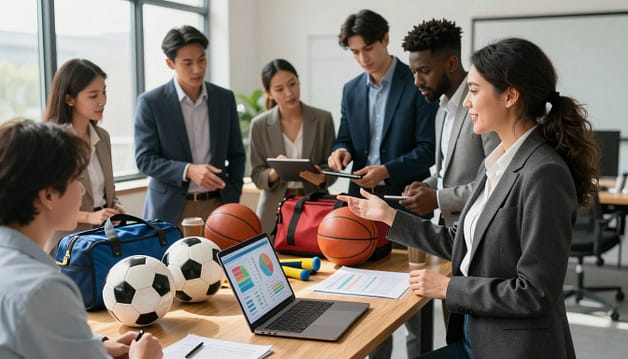
Evaluating Equipment Quality
Choosing sports equipment can be tricky. It’s easy to get caught up in brand names. But, durability is what really matters, not just the logo.
Look at the materials used in the gear. A high-quality basketball will last longer than a cheap one. The stitching is also important. It shows how well the equipment will stand up over time.
Also, check the warranty. A long, complicated warranty might mean the manufacturer isn’t sure about their product.
Now, let’s talk about the different types of equipment you might find:
| Type | Consumer Grade | Institutional Grade |
|---|---|---|
| Basketballs | Basic rubber, limited durability | High-grade leather, designed for heavy use |
| Soccer Balls | Inexpensive materials, prone to wear | Durable construction, suitable for all weather |
| Baseballs | Standard stitching, may fall apart | Reinforced stitching, built for longevity |
Changing how we view community programs is key. Moving from “new is always best” to “durable is better” saves money. It also helps us use sports equipment more wisely. Replacing cheap gear every season can quickly drain your budget.
Donations & Partner Programs
In the world of sports, donations and partnerships are key. They help programs grow in ways that buying alone can’t. There’s a whole game played off the field that brings big benefits.
Good Sports is a great example. It connects big brands, pro teams, and foundations with youth sports programs. Their Equip-A-Kid program lets donors choose specific sports gear. This makes giving feel real and meaningful, like buying basketballs or soccer cleats.
She Who Plays is another great effort. It works to make sports fair for girls. This is not just right; it’s smart. Women’s sports are getting more attention, and inclusive programs get more funding.
Partnerships also have hidden benefits. When a program gets a grant or partnership, it shows it’s worth investing in. This attracts more funders, creating a cycle of success.
Now, you might wonder how to deal with the grant application process. Here are some tips:
- Be Clear and Concise: Clearly state your program’s goals and needs. Funders like simple proposals.
- Show Impact: Use data and stories to show how funding will help.
- Build Relationships: Talk to funders before applying. A personal connection helps a lot.
- Follow Up: After applying, don’t be shy to follow up. It shows you’re serious and keeps you in their minds.
In summary, using donations and partnerships can be a game-changer for community sports. They help ensure athletes have the gear they need to succeed.
Maintenance Tips
In a world that often sees sports equipment as disposable, taking care of it is a bold move. It’s a quiet stand against the throwaway culture. A simple $12 ball pump can make basketballs and soccer balls last for months. Why get rid of something that can be saved with a bit of effort?
Knowing how to clean and store protective gear can save you from embarrassing moments. Use gentle cleaners instead of harsh chemicals to keep gear in good condition. Also, store it in dry, organized places to protect your investment.
Regular checks are key. They catch small problems before they become big, expensive issues. Did you know that training in maintenance can cut equipment costs by 30-40% in three years? It’s not just a story; it’s solid math.
Don’t forget the community side. Hosting maintenance workshops can turn boring tasks into fun social events. Older kids can teach younger ones, creating a sense of responsibility that goes beyond sports. Investing in maintenance is not just about saving money; it’s about building a caring culture.
For those wanting to be more eco-friendly, consider green practices. From using rainwater to smart irrigation, these steps save money and the planet. Learn more about making sports facilities greener here. Every small maintenance step is a big step for community sports.