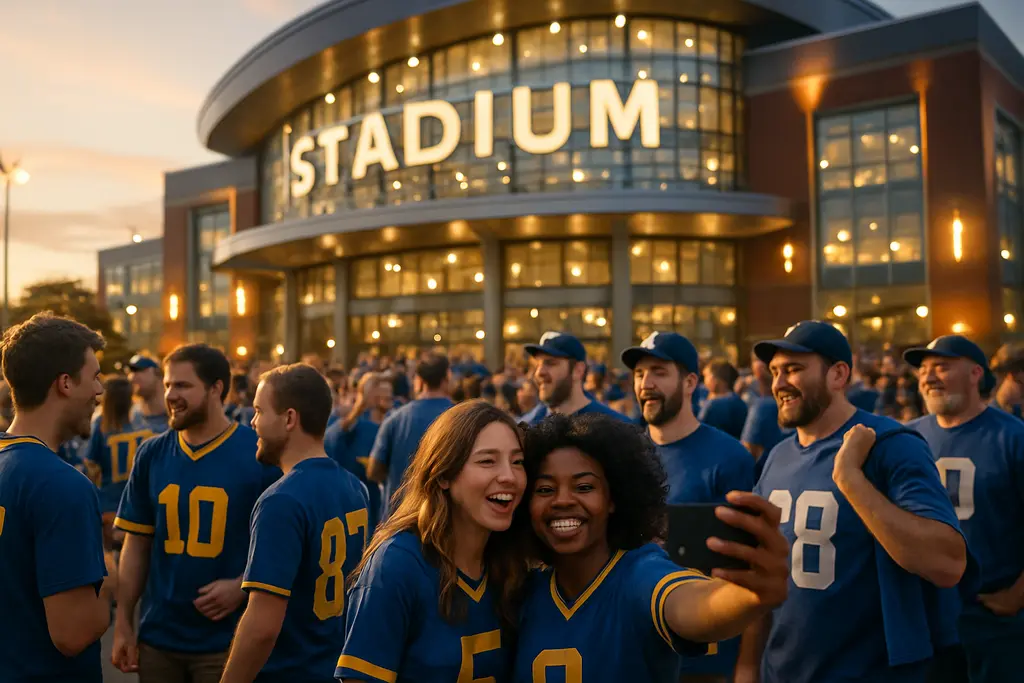
Recent stadium renovations changed fan planning in Baltimore and Atlanta in practical ways: arrival timing, preferred seating areas, restroom and concession choices, transit plans, and the value of staying near event corridors. The clearest lesson is not that every fan needs a premium ticket. It is that renovated venues often move activity outside the seat bowl, which changes where fans gather before entry, how long they remain after events, and which access routes carry the most pressure.
The evidence is strongest in Baltimore because the Ravens and Orioles published specific venue updates. Atlanta’s case is useful too, but the provided research did not include a linked official stadium or FIFA source among the approved citation set, so Atlanta details are treated here as planning indicators rather than independently linked claims. That caution matters for community sports leaders: major-venue projects can offer lessons, but local groups should verify each operational detail with the venue, transit agency, or event organizer before setting travel guidance.
Why Stadium Renovations Change Fan Planning
Fans often judge a renovation by new screens, club spaces, and food areas. Planners should look one layer deeper. A venue improvement can change crowd rhythm, not only comfort. If a plaza opens inside the secure perimeter, more people may enter earlier. If new premium zones concentrate demand in one concourse, a nearby gate may feel busier even if the total attendance is unchanged. If restroom fixtures increase in upper levels, families and groups may be more willing to choose lower-cost seats because the service gap narrows.
What Stadium Renovations Shift First
The first planning shift is time. A new social deck, music stage, or scoreboard bar gives fans a reason to arrive before kickoff or first pitch. The second shift is walking pattern. Entrances, plazas, and post-event meeting points become part of the event plan. The third shift is ticket evaluation. A seat is no longer just a view of the field; it is a bundle of access to nearby restrooms, screens, sound, shade, hospitality, and exit routes.
For community sports advocates, this is the practical takeaway: infrastructure upgrades should be measured against user behavior. If a facility adds a gathering zone but does not adjust signage, volunteer placement, or drop-off plans, the upgrade may create a new crowd pinch point. If the project adds family spaces or general-admission amenities, the benefit is larger when ticketing pages and venue maps explain them clearly.
Baltimore Case Study: M&T Bank Stadium And Camden Yards
Baltimore offers two recent examples in the same sports district. At M&T Bank Stadium, the Ravens completed a $489 million, three-year project in August 2026, with final improvements unveiled at the preseason game against the Philadelphia Eagles on August 14, 2026. The project included new premium spaces, expanded hospitality areas, upgraded video displays, and general-admission amenities, according to the Ravens renovation report.
Baltimore Stadium Renovations And Arrival Windows
The Baltimore stadium renovations matter for arrival planning because several upgrades encourage fans to spend time inside the venue perimeter before the game. The Bud Light Talon added an open-air music stage inside the gates, while Frank’s RedHot Backstage added a sports bar setting. The Perch and Overlook areas added more than 7,000 square feet of hospitality space. These are not only amenities; they are demand generators. A fan who once arrived close to kickoff may now enter earlier to meet friends, hear music, or avoid the last wave at security.
For general-admission fans, the upper-deck restroom expansion is one of the most useful changes. The Ravens said upper-deck restroom capacity increased by roughly 30 percent in fixtures. That can reduce the penalty often associated with upper-level seats during halftime or late-game breaks. It does not remove every queue, but it changes the planning question from “Can we tolerate the upper deck?” to “Which upper-deck section gives us the best balance of price, exit path, and restroom access?”
Camden Yards Seating And Amenity Choices
At Camden Yards, the Orioles’ 2026 improvements changed the baseball fan’s planning map. The center-field videoboard installed for the 2026 MLB season was 2.5 times larger than the prior board, and the ballpark also added 4K ribbon boards, upgraded sound distribution, renovated club levels, expanded premium seating behind home plate, and a new scoreboard social area, as outlined by MLB’s Camden Yards update.
The seating implication is clear: outfield and social-area tickets may carry more value when the scoreboard and audio system improve the shared viewing experience. Behind-home-plate premium seating serves a different market, but the scoreboard social area may affect group behavior for fans who want to circulate rather than remain fixed in one seat. For families, the practical step is to check the venue map before buying. For groups, the better question is not only “Where are the cheapest seats?” but “Where can we regroup if people split for food, restrooms, or photos?”
For a deeper fan-specific treatment of the football venue, the prior analysis of M&T Bank Stadium fan impact is useful because it breaks down gates, concourses, screens, premium areas, and planning risks in more detail.
Atlanta Case Study: Mercedes-Benz Stadium And Event-Scale Pressure
Atlanta’s 2026 case is different from Baltimore’s because the largest planning stress came from a global tournament layered onto an already active downtown venue district. The research notes report that Mercedes-Benz Stadium hosted eight World Cup matches from June 15 through July 16, 2026. They also report temporary operational changes, including venue branding adjustments, technology and lighting work, and fan-festival planning around Centennial Olympic Park.
Lodging Demand Changed The Planning Clock
The research notes report that by May 19, 2026, about 213,000 hotel room nights had been booked across downtown, Midtown, and Buckhead for the 30-day World Cup period, along with about 50,000 short-term rentals. They also report that areas near the stadium saw occupancy increases compared with the prior year. Because those figures were not part of the approved linked source set, readers should treat them as planning signals rather than verified official totals in this article.
Even with that caveat, the operational lesson is sound: lodging becomes part of stadium access. A cheaper room far from rail service can become costly if the event day requires long rideshare waits, surge pricing, or parking searches. For Atlanta, the research notes emphasized MARTA access and stays near train-line stations. That matches a broader planning principle for major events: proximity to a reliable transit line may matter more than proximity measured only by miles.
Fan Festivals Extended The Event Footprint
The research notes report that Centennial Olympic Park, described as a 22-acre green space less than a half-mile from Mercedes-Benz Stadium, hosted fan gatherings on match days. That matters because major-event planning is not limited to the stadium gates. Fans without tickets, families waiting for different members of a group, and visitors seeking pre-match activity can all add demand to nearby sidewalks, food outlets, transit platforms, and public spaces.
Atlanta also illustrates how future construction timing affects fans. The research notes report a $200 million fan-facing renovation approved in mid-2026, with work planned across the winter 2026-27 and 2027-28 offseasons so Falcons and Atlanta United home schedules would not be disrupted. If those timelines remain in place, fans should check official venue advisories before visits during construction windows, especially for entrance adjustments, closed concourse areas, or changes to pregame gathering zones.
Fan Checklist For Stadium Renovations

A renovated venue rewards preparation. The goal is not to overplan a day out. The goal is to reduce avoidable friction, especially for families, older fans, youth teams, and groups traveling together.
- Check the newest venue map before buying tickets. Look for new plazas, social decks, restrooms, elevators, and premium boundaries.
- Set an arrival window based on amenities. If the venue added music, bars, family zones, or rooftop areas, earlier entry may have real value.
- Compare seats by services, not just sightlines. Restroom access, nearby screens, sound quality, and exit routes can change the best-value section.
- Use transit where event demand is concentrated. For Atlanta-style major events, lodging near rail can be more useful than lodging slightly closer by car.
- Create a group meeting point outside the busiest gate. New gathering spaces can attract crowds, so choose a backup location.
- Recheck advisories during construction windows. Offseason work can still affect tours, concerts, soccer matches, or early-season events.
Community sports organizations can adapt this checklist for smaller venues. A new restroom bank, scoreboard, shaded seating section, or concession patio can change youth tournament flow in the same way a major stadium project changes NFL, MLB, soccer, or international-event behavior. The scale differs, but the planning logic is similar.
Baltimore And Atlanta Fan Planning Lessons
The Baltimore evidence shows how completed stadium renovations can improve comfort while changing arrival behavior. M&T Bank Stadium’s new social spaces and Camden Yards’ video, audio, club, and scoreboard-area upgrades gave fans more reasons to arrive early, move around, and judge tickets by amenities as well as view. The Atlanta case shows how a major event can stretch the venue footprint into hotels, transit corridors, parks, and public gathering areas.
For public agencies, venue operators, and community sports advocates, the shared lesson is to publish practical information early: gate maps, restroom locations, transit options, family meeting points, and construction notices. For fans, the best plan is simple: verify the latest venue map, choose lodging or parking based on post-event exit needs, and match the ticket to the group’s comfort requirements. The same planning discipline applies outside these U.S. case studies; readers comparing local civic updates across this publishing network can use the Ambikapur City site as a related city-focused reference point.
Renovation success should be judged by more than the ribbon-cutting moment. A project works for fans when it shortens avoidable waits, makes movement easier to understand, widens comfort beyond premium spaces, and gives visitors enough information to plan with confidence.