
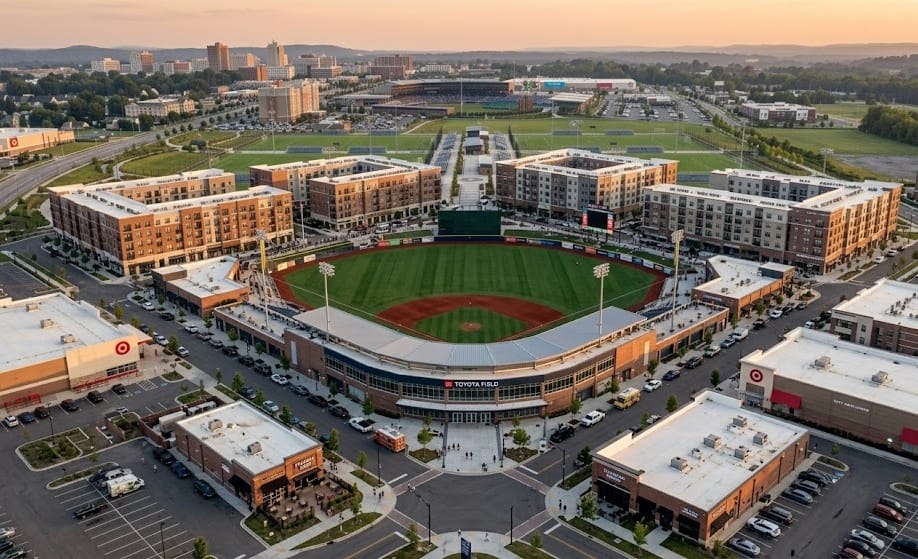
In 2026, minor league sports are undergoing a structural shift in how stadiums are conceived, funded, and leveraged. No longer solely venues for seasonal games, modern minor league ballparks are increasingly integrated with mixed-use real estate projects, combining residential, commercial, and entertainment spaces. This trend reflects a broader evolution: teams and developers are recognizing that stadiums are not just operational assets, but catalysts for long-term economic growth and urban redevelopment.
From Single-Purpose Venues To District Anchors
Historically, minor league stadiums were designed exclusively for games, with limited surrounding infrastructure. Today, stadiums like CarMax Park in Richmond, Virginia, and the newly planned Hillsboro Hops complex in Oregon are being built as multi-functional destinations. These facilities anchor surrounding districts that include apartments, restaurants, retail, and event spaces, effectively transforming traditional sports venues into real estate hubs.
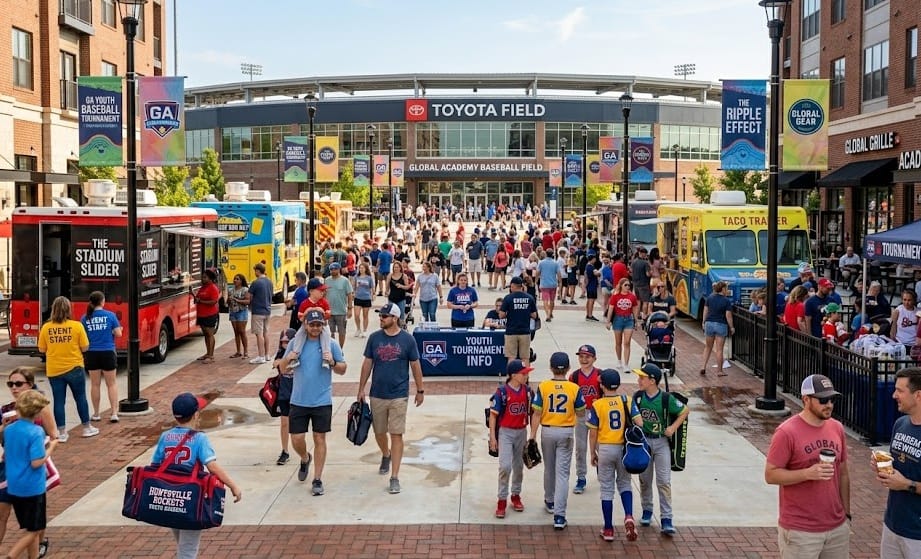
This approach allows teams to:
- Generate year-round revenue streams
- Increase engagement with local communities
- Leverage public-private partnerships for financing
The integration of stadiums with broader urban developments underscores the changing role of sports infrastructure as a tool for community and economic planning.
Public-Private Partnerships Driving Real Estate Expansion
The latest wave of investment relies heavily on collaborative financing structures. Municipalities often provide land or infrastructure support, while developers and team ownership groups contribute capital for construction and management.
| Stakeholder | Contribution | Strategic Objective |
|---|---|---|
| Local Government | Land, permits, tax incentives | Stimulate economic activity |
| Team Ownership | Operational management, branding | Enhance team revenue streams |
| Private Developers | Capital investment, commercial planning | Maximize ROI through mixed-use |
| Community Organizations | Program integration, youth engagement | Social and recreational value |
These partnerships enable projects to reach unprecedented scale, embedding minor league infrastructure into urban growth strategies.
Economic Impact Of Mixed-Use Stadium Projects
Minor league stadiums now function as engines for local economies, especially in mid-size markets. Multi-purpose complexes attract tournaments, concerts, and community events that drive hotel occupancy, restaurant traffic, and retail sales.
| Economic Metric | Impact Measurement |
|---|---|
| Tourism | Out-of-town participants increase demand |
| Job Creation | Construction and operations employment |
| Tax Base Expansion | Sales and property tax revenue growth |
| Community Engagement | Youth programs, local events |
According to the Sports Business Journal, recent minor league stadium developments are generating significant returns on investment, with some complexes producing annual economic impacts exceeding $15 million.
Case Study: Hillsboro Hops Stadium And District
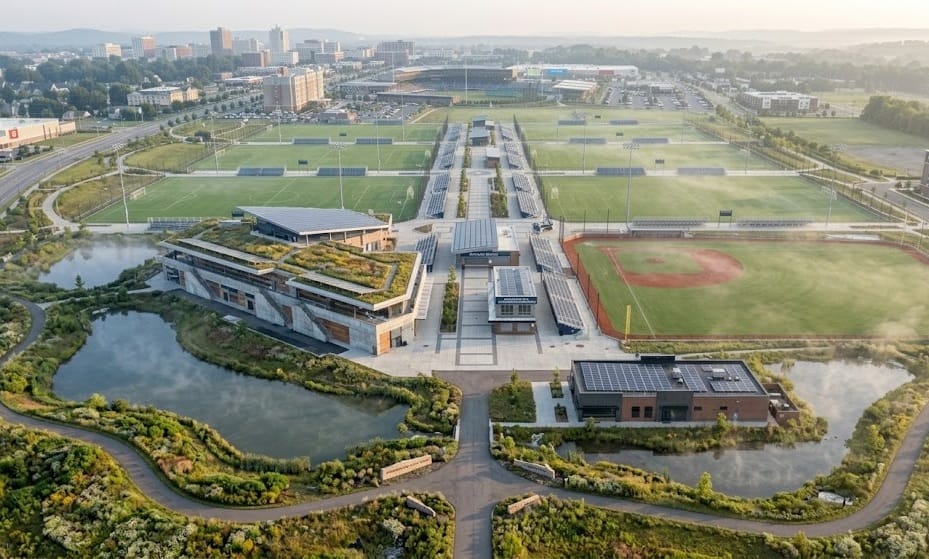
Opened in 2024, the Hillsboro Hops’ stadium integrates multiple fields, residential units, and retail spaces within walking distance. The design prioritizes accessibility and community use, while leveraging private investment for commercial operations. The complex has increased local economic activity and attracted national tournaments, illustrating the potential of hybrid sports-real estate development.
Sustainability And Long-Term Planning
New stadium projects emphasize sustainable design—energy-efficient lighting, water-saving irrigation, and climate-resilient construction are now common. These measures reduce operational costs while reinforcing environmental responsibility, aligning with best practices outlined by the U.S. Green Building Council.
Strategic planning ensures that stadium districts remain viable assets over decades, mitigating the risks of market saturation and underutilization.
Community Integration And Social Impact
While revenue generation is important, stadiums increasingly aim to deliver community benefits. Multi-use complexes provide:
- Youth training programs
- Open public spaces for recreation
- Venues for local events
Facilities that balance economic returns with community access enhance both social cohesion and public perception, creating long-term goodwill and engagement.
Real Estate As A Strategic Lever
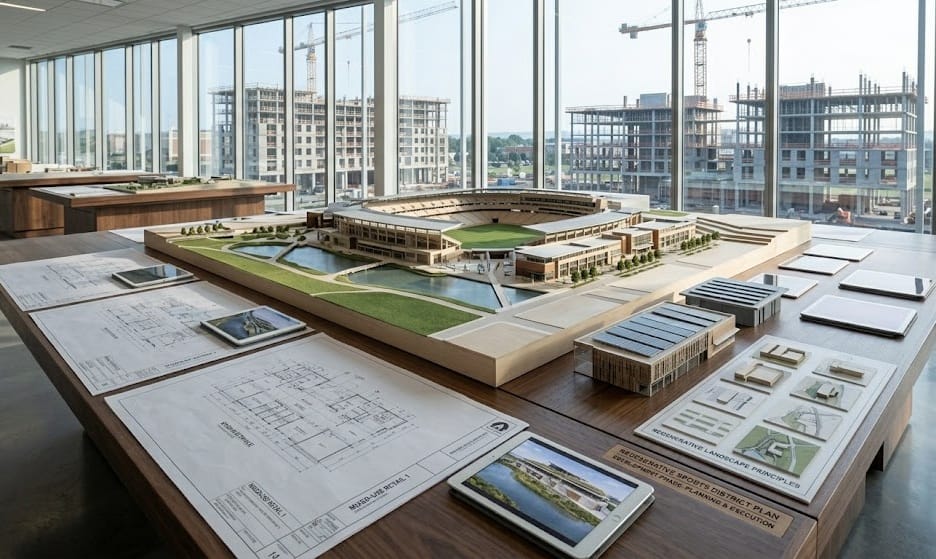
The new phase of minor league investment demonstrates how real estate strategy is central to sports infrastructure. Rather than treating stadiums as isolated facilities, developers and teams now approach them as integrated assets within broader urban ecosystems, capable of influencing property values, economic development, and urban planning outcomes.
Balancing Risk And Opportunity
As stadium projects grow larger and more complex, risks increase. Cities must carefully evaluate:
- Projected demand and market saturation
- Long-term maintenance and operational costs
- Alignment with urban planning and community needs
Proper risk management and phased development are crucial to ensure that investment translates into sustainable value.
Conclusion: The Future Of Minor League Stadiums
Minor league stadiums are no longer just sports venues—they are real estate catalysts, economic engines, and community hubs. As investment continues to rise, the integration of stadiums with mixed-use districts represents a paradigm shift, demonstrating how sports infrastructure can drive long-term growth and reshape mid-size markets across the United States.
This evolution underscores the importance of strategic planning, public-private partnerships, and community integration for maximizing both economic and social returns.