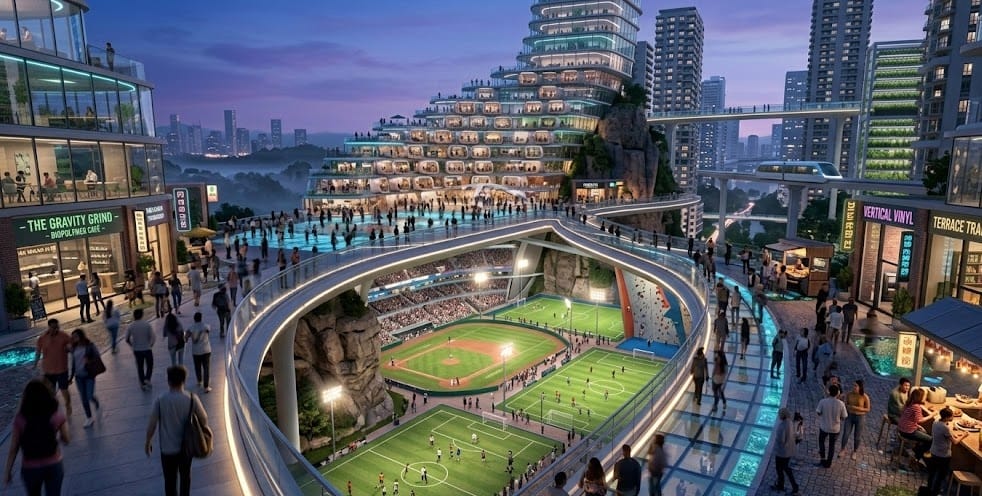
The departure of a minor league team can create both economic disruption and an opportunity for urban reinvention. As professional sports increasingly rely on flexible infrastructure, cities face the challenge of determining how to repurpose venues that were once central to community identity and local economic activity. Bridgeport, Connecticut, is a recent case study where the AHL team’s relocation has triggered a strategic evaluation of facility use, community needs, and long-term urban planning.
Economic Shock And Community Sentiment
When a team leaves, the immediate impact is tangible: lost ticket revenue, decreased foot traffic for local businesses, and reduced engagement with youth programs. Bridgeport’s arena, which hosted thousands of spectators weekly, exemplifies the economic gap left behind.
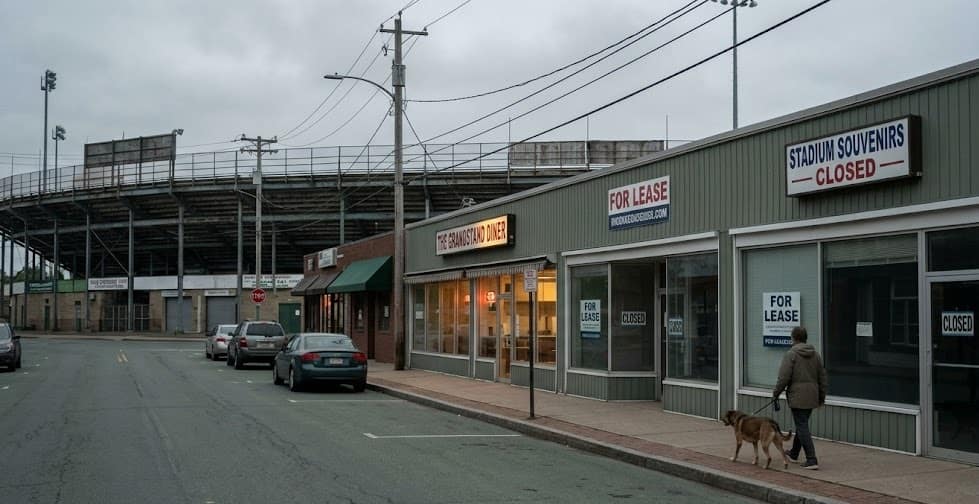
Local businesses around stadium corridors often report drops in sales ranging from 15% to 25% in the first year following a team’s departure. Beyond economics, community identity and pride can suffer as sports venues often serve as social anchors for mid-sized cities.
However, the vacancy also opens space for reimagining the venue. Cities are increasingly approaching these transitions not as losses, but as opportunities for multi-use redevelopment, public programming, and hybrid sports facilities.
Strategic Options For Repurposing
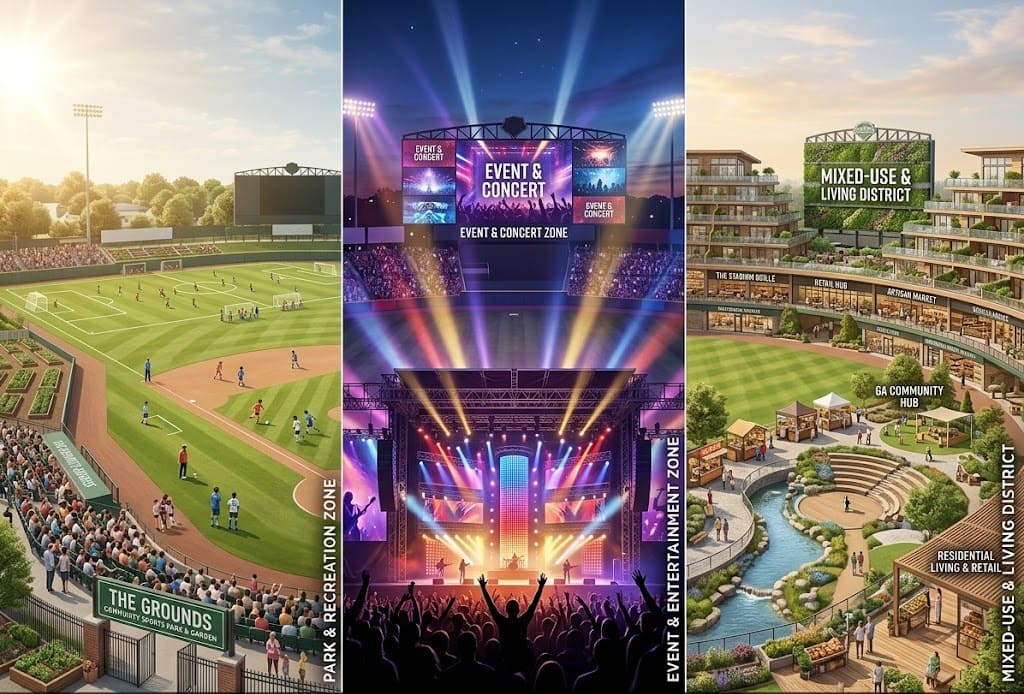
Communities have several pathways for repurposing vacated venues. These strategies balance economic viability, urban planning objectives, and public benefit:
| Repurposing Strategy | Examples | Potential Impact |
|---|---|---|
| Mixed-Use Redevelopment | Retail, office, residential units | Generates diversified revenue streams |
| Community Sports Hub | Youth leagues, recreational programs | Enhances public access and engagement |
| Event-Oriented Conversion | Concerts, exhibitions, e-sports competitions | Attracts regional visitors |
| Partial Demolition / Green Space | Parks, plazas | Improves livability, environmental value |
Each option carries distinct trade-offs. Mixed-use projects may maximize financial returns but reduce public access. Community-focused adaptations prioritize inclusion but may generate lower direct revenue.
Adaptive Infrastructure And Design Considerations
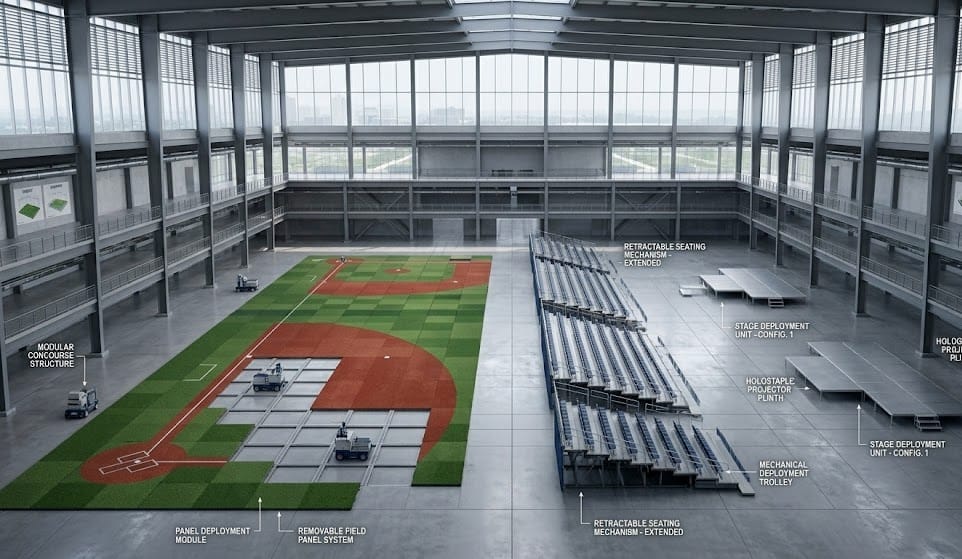
Successful repurposing often requires infrastructural flexibility. Venues designed with modular seating, adaptable field layouts, and multi-purpose spaces are easier to convert to alternative uses. Bridgeport’s arena, for instance, features retractable seating and configurable floor space, making it suitable for conventions, exhibitions, and non-traditional sports events.
| Infrastructure Feature | Benefit |
|---|---|
| Retractable Seating | Accommodates varied event sizes |
| Modular Flooring | Supports multiple sports and activities |
| Digital Amenities | Enhances venue attractiveness for events |
| Accessibility Compliance | Broadens usability for community programs |
Investments in adaptability not only facilitate repurposing but also extend the lifespan of facilities, mitigating the risk of financial obsolescence.
Case Studies Of Successful Repurposing
Across the U.S., several cities have transformed former minor league venues into thriving multi-use spaces:
- Bridgeport, Connecticut: Post-AHL departure, the arena is being evaluated for mixed-use development incorporating community sports programs, entertainment events, and office space.
- Greensboro, North Carolina: Former minor league baseball facilities were converted into youth sports academies and community recreation centers, boosting local engagement and supporting regional tournaments.
These examples highlight that proactive planning, community involvement, and investment in adaptable infrastructure are key to sustainable transitions.
Policy And Governance Implications
Repurposing strategies require collaboration between local governments, private investors, and community organizations. Transparent planning processes, public input, and long-term financial modeling are critical to ensuring that repurposed venues meet both economic and social objectives.
Key considerations include:
- Balancing revenue generation with public access
- Integrating venues into broader urban development plans
- Ensuring environmental sustainability in retrofitting projects
Urban planners and sports economists argue that hybrid strategies combining commercial activity with public programming often yield the most resilient outcomes.
Evaluating Long-Term Value
The ultimate success of venue repurposing is measured by sustained utilization, community impact, and financial sustainability. Facilities that remain flexible, environmentally conscious, and aligned with regional development objectives are more likely to thrive.
For mid-size cities considering similar transitions, internal lessons from projects like Bridgeport can inform strategies to:
- Optimize land use
- Maintain community engagement
- Leverage public-private partnerships for financing
The broader lesson is clear: minor league teams may come and go, but strategically managed venues can continue to serve as engines for social and economic value.