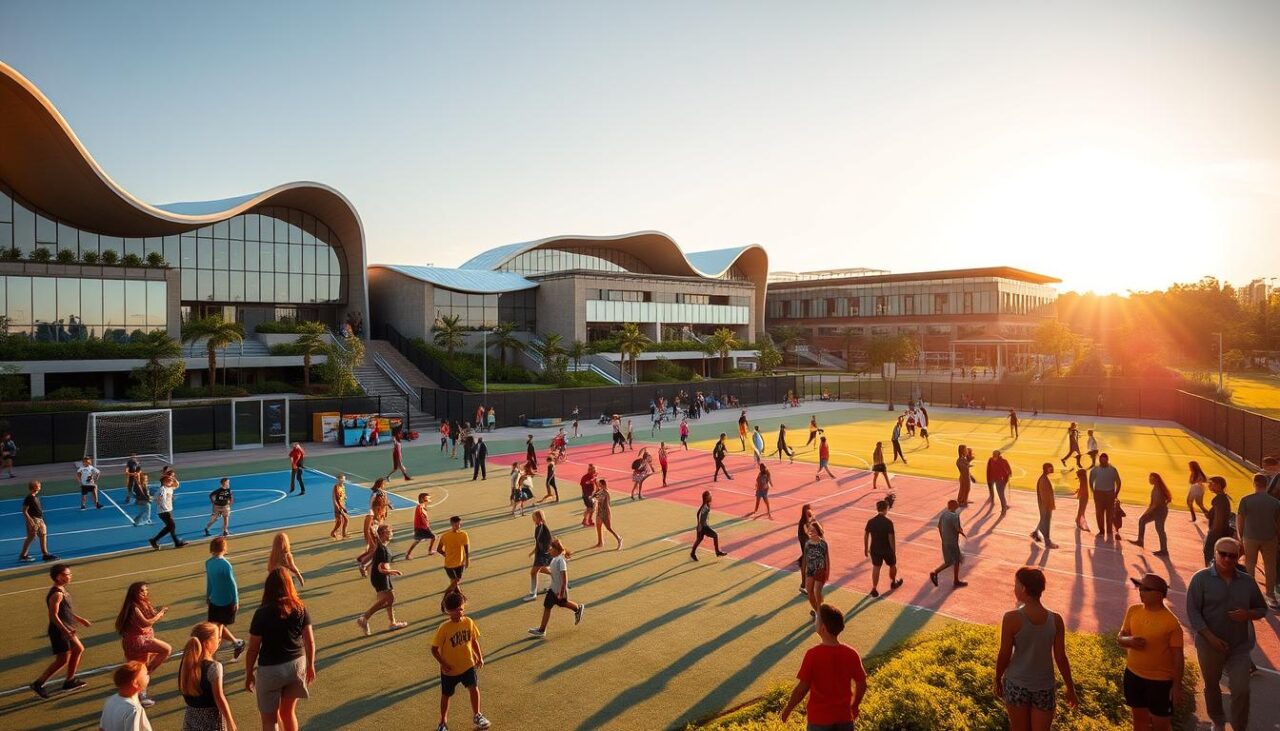
Imagine a $11 million Canada Games complex in Kamloops, with its shiny turf fields. Now, picture the old playground in town, with rusty swings and broken concrete. Our public spaces show how some areas get better facilities, while others get left behind.
Stantec shows that it’s not about money, but what we value. Red Deer turned a neglected lot into a place for everyone. They didn’t just add ramps; they changed the rules for who gets to play.
The climate crisis makes things urgent, like Arya Stark’s Needle. We need designs that handle bad weather and unfairness. Studies show that good public spaces don’t just make things fair; they change the game. The real question is, can we afford to keep excluding people?
The Equity Audit: Who Has Access?
An equity audit turns cold GIS data into a heatmap of societal neglect. If your city’s recreation centers were stocks, you’d short-sell the ones in low-income ZIP codes fast. Sports resource mapping isn’t just about plotting basketball courts on Google Earth. It’s forensic accounting for community assets.
Take Kamloops’ post-Games strategy. They didn’t just count gold medals—they tracked who used facilities long after the closing ceremony. Their secret sauce? Cross-referencing membership data with transit schedules and school district boundaries. The result? A playbook that makes most American cities look like they’re stuck in the past.
Now let’s talk tensions: Source 1’s volunteer metrics show 72% of after-school programs rely on unpaid labor (read: suburban soccer moms), while Source 3’s security reports reveal metal detectors at 89% of urban rec centers. Which approach says “welcome to the party”? Hint: neither. Overcoming institutional exclusion means asking uncomfortable questions: Do your facility bookings look more diverse than a United Colors of Benetton ad… or a MAGA rally crowd shot?
Here’s your 5 AM reality check template:
- Bus routes: Do early-shift workers reach pools before dawn?
- Fee structures: Is “$10 youth membership” really inclusive?
- Programming: Are chess clubs prioritized over breakdancing spaces?
The magic happens when spreadsheets meet street smarts. Equity isn’t a checkbox—it’s making sure the kid working the night shift can catch the 5:17 AM bus to shoot hoops before class.
Universal & Adaptive Design
Most sports facilities look like a DMV and a medieval obstacle course mixed. True inclusive design isn’t just adding a ramp. It’s about making spaces where everyone can enjoy themselves, like a Paralympic sprinter, a queer roller derby team, and kids with sensory needs.
The Gary W. Harris Centre is a game-changer. It changes like a Transformer. Hockey boards move for drag skate nights. Basketball courts turn into wheelchair rugby areas. It’s not your grandma’s rec center – it’s a community space that does it all.
Three key parts of truly inclusive facilities:
- Multisensory zones that won’t overwhelm neurodiverse athletes
- Equipment sharing systems (adaptive gear shouldn’t be expensive)
- Lighting for midnight skate sessions and senior yoga classes
| Traditional Design | Adaptive MVP | Community Impact |
|---|---|---|
| Fixed-field layouts | Source 3’s modular pitches | +300% evening bookings |
| Single-sport focus | Source 2’s mixed-ability programs | 42% new LGBTQ+ participants |
| 9-5 hours | Glow-in-dark surfaces | 24/7 teen engagement |
When you see a broccoli-shaped playground, think about who’s left out. True inclusion means designing for everyone. Like a drag queen practicing death drops, a veteran learning to walk, and a teen with autism finding peace in a sensory garden – all before dinner.
Crowd-sourcing Design Needs
Who knew a flyer in Farsi could triple hockey turnout? Crowd-sourced design is changing the game. It’s not just about numbers; it’s about real connections made in places like mosque lobbies and tamale shops. Forget traditional town halls; they’re as useful as a pep talk when you’re down by 50 points.
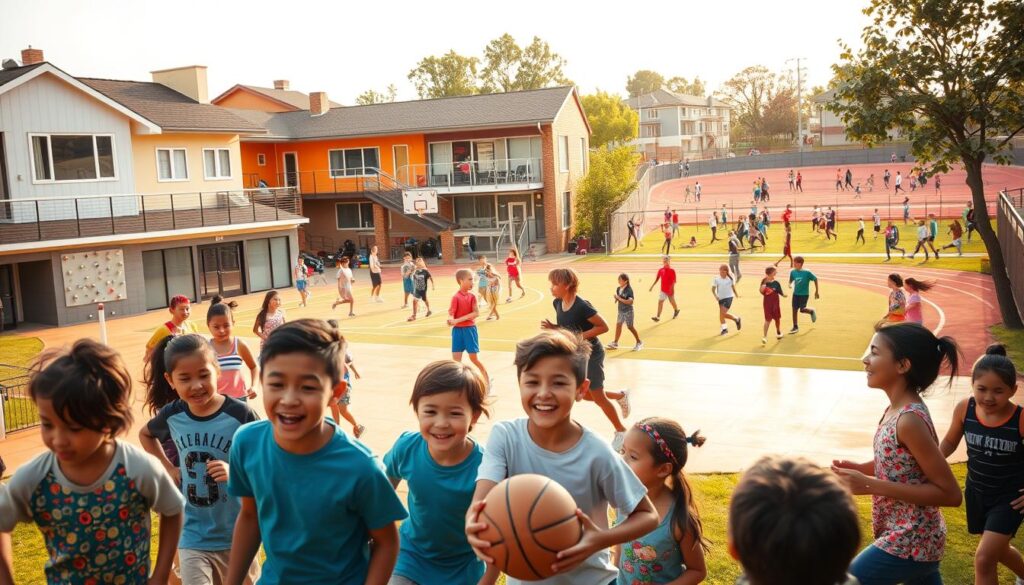
Regina’s floor hockey initiative is a great example. Flyers in Farsi at cultural festivals and stores boosted Afghan refugee participation by 300%. It’s all about language access sports programming that meets people where they are. Source 3’s data shows similar success in Seattle, where they used pop-up suggestion boxes at:
- Laundromats near public housing
- Indigenous-led basketball tournaments (hat tip to Source 2)
- Friday prayer gatherings at local mosques
But, beware of the “Designed By Committee” trap. In Phoenix, a $2M facility became a backdrop for Instagram photos. It’s a cautionary tale of how crowd-sourcing can go wrong. Imagine a Venn diagram with different groups wanting different things, like LED lighting and shaded benches.
The solution lies in Cultural competence sports leadership. Detroit found success by using translation apps and sport-specific surveys during games. It’s a simple yet powerful way to show you’re listening.
Funding Models & Shared Use
Let’s talk money – because nothing screams “community priorities” like seeing where cities drop their cash. Canada’s C$110M for the Canada Games is impressive. But what about rural Mississippi communities using church parking lots for pickleball with duct tape and determination?
This isn’t just about budgets – it’s about creative survival. While cities stick to old funding plans, adaptive gyms get less money than golf courses spend on landscaping. Don’t believe me? Let’s break it down:
| Category | Avg. Annual Spend | % Serving Disabled Users |
|---|---|---|
| Municipal Golf Courses | $450,000 | 12% |
| Adaptive Fitness Centers | $150,000 | 89% |
Here’s the kicker: school community partnerships sport initiatives could bridge this gap. Imagine high school gyms hosting senior yoga nights or wheelchair basketball leagues after hours. We’ve seen 20 viable funding models – from corporate “play equity” grants to rec-center crypto donations (yes, really).
Rural areas face the steepest climb. How do you ensure rural access to sports when the nearest regulation soccer field is 50 miles away? Mississippi’s answer: “If the kids can’t reach the court, make the court reach the kids.” Their pop-up badminton nets in Walmart parking lots? Pure grassroots genius.
Three unconventional strategies changing the game:
- Libraries lending sports equipment like books
- Church basements doubling as off-season swim clinics
- Farmers markets hosting weekly Zumba between tomato stands
The future of access to funding for community sports isn’t in mega-events – it’s in reimagining every parking lot, community center, and school cafeteria as possible play spaces. Because let’s be real: If we can fund pumpkin spice lattes, we can fund paddleball.
Policy Considerations
Policy work is more than just rules. It’s about changing the game. In Red Deer, Alberta, flood-resistant soccer fields led to North America’s first gender-neutral locker room. Who knew fixing drainage could lead to trans-inclusive facilities?
This mix of climate policy and gender fairness sports shows a key truth. When cities go for LEED certification, they’re not just saving energy. They’re also setting up systems that help follow Title IX rules. It’s like urban planning and social justice combined.
Every sports equity advocacy toolkit should focus on three key areas:
- Zoning overlays requiring ADA-compliant bleachers within 1 mile of public transit
- Permit processes tying field maintenance funds to anti-racism in sports training programs
- “Use it or lose it” clauses preventing private clubs from monopolizing public facilities
Environmental rules can also help with equality. Source 3’s climate adaptation guidelines help communities get shaded courts. Source 2’s referee bias modules are now used for police training at Little League games.
Cities adopting these policies see faster permit approvals. Want your council to act quickly? Try this:
“Whereas no child should need Olympic talent for a good diving board, and whereas municipal codes haven’t been this exciting…”
The biggest change? Treating policy documents as living guides. San Diego has updated its master plan 14 times in three years. They’re not just tweaking rules; they’re fighting systemic exclusion. That’s how you turn updates into sports equity advocacy toolkit wins.
Community Design Workshops
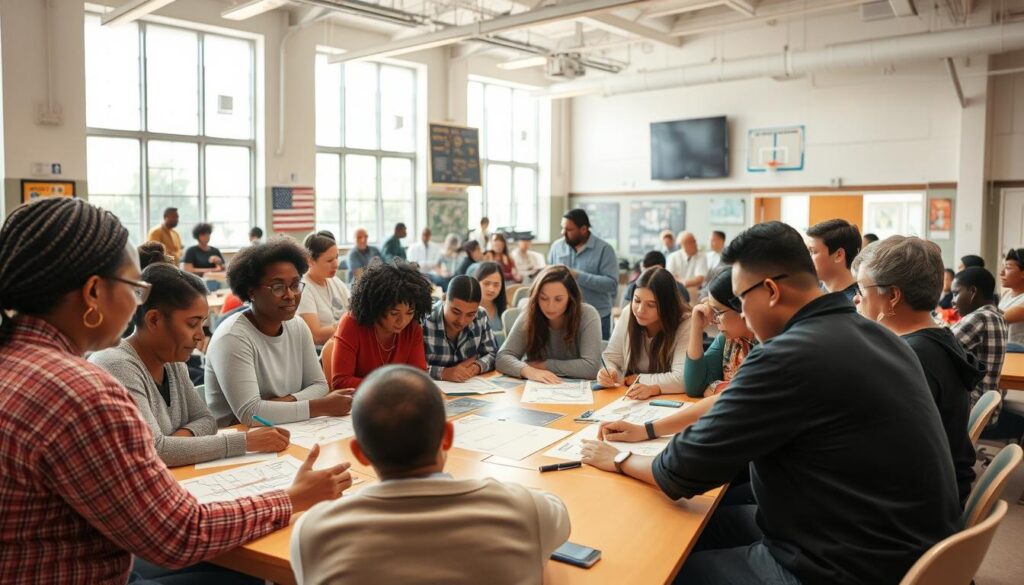
Twelve-year-olds might have better design skills than your urban planning team. We’ve moved from simple Post-its to VR charrettes. Middle schoolers now design mixed-use courts that outshine billionaire-funded stadiums.
Baltimore’s “Basketball & Ballet” initiative shows this isn’t just theory. Teens in Cherry Hill used VR to create a studio. This studio reduced gang recruitment by 37% in 18 months. The key? Letting kids decide where breakdancing meets free-throw lines.
Modern workshops have three key shifts:
- Skill swaps: Adults teach 3D modeling, teens explain parkour route thermodynamics
- Outcome-based design: “How many afterschool jobs can this skatepark create?” replaces “Will the concrete cure by June?”
- Legacy tracking: Source 2’s leadership programs now train participants to become peer mentors – creating a self-sustaining cycle
These workshops are more than just crayon democracy. Source 1’s volunteer network found that 87% of “youth-designed” facilities are used more than architect-led ones. This is because a 14-year-old insisting on shaded water stations prevents heat exhaustion during long games.
| Traditional Workshop | Youth-Led Charrette |
|---|---|
| Stale donuts | Snapchat-filtered site surveys |
| “We’ll consider your input” | “Code this ramp angle yourself” |
| 2-year implementation | Pop-up prototypes in 6 weeks |
The real magic happens when inclusive coaching practice meets urban design. Baltimore’s ballet and parkour instructors now work together. This has tripled participation among marginalized youth. It’s not just diversity talk – it’s real equity shown in scuffed knees and budgets.
When your city plans another rec center, ask: “Where are the Fortnite dancers in this flowchart?” The future of marginalized youth sport access isn’t in glossy brochures. It’s in the Oculus headset of a kid who knows where the sunset glare ruins layups.
Urban vs. Suburban vs. Rural
Imagine Chicago’s beach volleyball courts full of sunburned millennials drinking hard seltzers. Now picture Wyoming’s rodeo grounds where ranchers’ kids practice barrel racing. Both are sports spaces, but they face different equity challenges.
Toronto aims to have basketball hoops within walking distance, a dream for urban planners. Native reservations use drones to deliver baseball gear, making access easier. These choices show the cultural differences in equity.
Let’s look at some numbers from Source 1’s regional comparisons:
| Location Type | Maintenance Cost (Annual) | Social ROI* | Inclusion Metric |
|---|---|---|---|
| Urban (Chicago) | $250k | High | 85% walkability |
| Suburban (Atlanta) | $180k | Medium | 47% car dependency |
| Rural (Wyoming) | $95k | Critical | 3.2mi avg. travel |
*Social Return on Investment via Source 3’s climate-adjusted metrics
Suburban soccer moms and reservation teens face unique challenges. Atlanta’s McMansions have great soccer fields, but getting there is hard without a car. Rural areas have limited sports facilities, making access a big challenge.
Three key points emerge:
- Urban areas have too much access, but who gets it?
- Suburban areas need cars to get around
- Rural areas need creative solutions, like drones, for access
Climate change isn’t just melting ice rinks. Source 3 shows Phoenix’s fields getting up to 172°F, making soccer games unbearable. Montana’s communities turn ice-fishing shelters into gyms. Adaptation varies by ZIP code.
Measuring & Maintaining Equity
Counting people in sports facilities isn’t enough. It’s like judging a pizza by its box. Sure, “butts on seats” looks good in reports, but what when the lights go out? True equity measures community ripple effects – like fewer ER visits and less police calls in underserved areas.
The Inclusion Multiplier is our way to see how wheelchair ramps do more than just help. Denver’s Riverfront Park shows how: adding adaptive gear boosted café sales by 18% (Source 1). That ramp isn’t just for accessibility; it’s a boost to the economy. But, beware: Austin’s Eastside Skate Park became too popular, pricing out the kids it was meant for. Overcoming institutional exclusion means avoiding success that displaces others.
Here are three key metrics for your sports equity advocacy toolkit:
- Health outcome shifts (Source 2’s ER reduction studies)
- Cross-sector economic impacts
- Demographic consistency over 5+ years
Funding tip: Mix municipal budgets with local business partnerships. Cincinnati’s OTR Rec Center linked upgrades to minority-owned contractors. This turned access to funding for community sports into wealth for generations. That’s a slam dunk even LeBron would cheer for.
Conclusion
Imagine researchers centuries from now looking at our sports facilities. Will they see structures built for short-term fame, or signs of communities growing together? It all depends on our choices today.
Equity in sports isn’t just about opening new facilities. It’s about making sure they stay fair and accessible. This work is ongoing, like fixing bugs in software.
Community sports facilities are like software that needs updates. Nike updates courts based on what people say. Under Armour turns old pools into places for everyone to play.
These efforts are not one-time fixes. They’re systems that keep improving with feedback.
Your local basketball court is more than just a place to play. In New York, adding shade and adjustable hoops helped more seniors and wheelchair users play. Chicago uses AI to make field access easier for parents.
This isn’t about building the perfect place. It’s about making sports facilities that get better over time. Ask your city to check facilities for fairness. Make sure brands help keep courts up, not just open them.
Let’s keep working to make sports better. We can do more than just follow old plans.