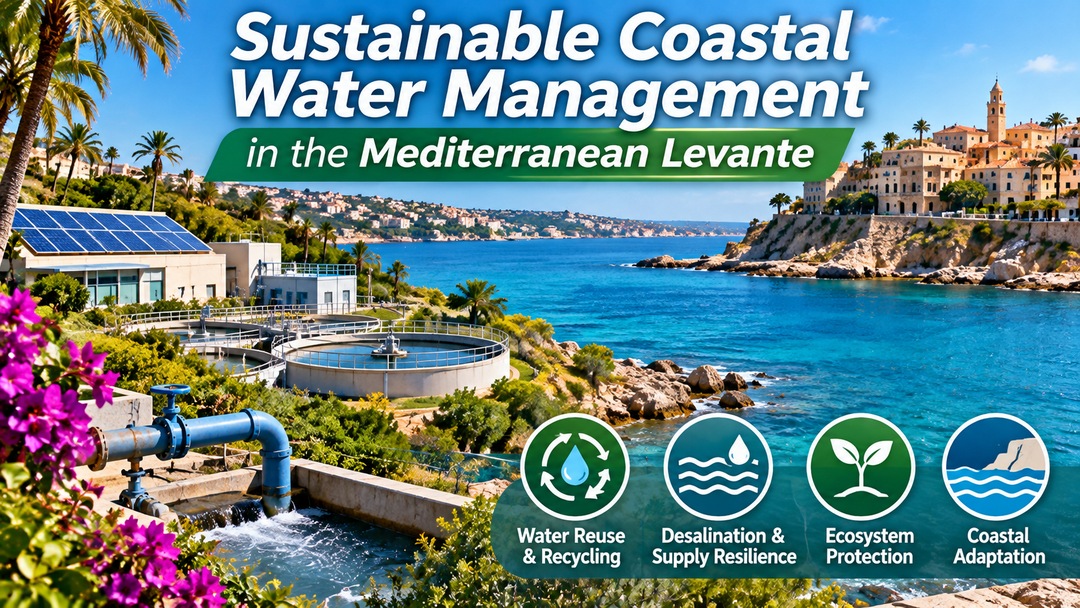
The Mediterranean Levante represents one of Southern Europe’s most ecologically complex and hydrologically stressed regions. Stretching across eastern Spain, this coastal expanse encompasses diverse wetlands, vital citrus belts, and dense metropolitan concentrations that place continuous demands on local hydrological systems. Driven by erratic precipitation regimes, prolonged summer heatwaves, and seasonal population spikes caused by tourism, managing fresh groundwater reserves has moved from a standard public utility task to an existential environmental priority. Regional authorities and civic initiatives supported through AP Levante emphasize that preserving coastal wetlands, subterranean karst systems, and river basins requires combining regional ecological research with rigorous catchment engineering.
Historically, the hydrological regime of the Spanish Levante depended on complex historical acequias (irrigation canals) and subterranean aquifers. However, intensified modern citrus agriculture and municipal growth throughout the late twentieth century catalyzed severe aquifer drawdown. In response to regional stress, researchers collaborating with the European Environment Agency have documented how coastal drawdown accelerates saltwater intrusion, permanently degrading agricultural plots and destabilizing fragile lagoon biosystems. Restoring balance demands a multi-pronged technical strategy that harmonizes aquifer preservation, municipal efficiency, and technological circularity across every major river basin in the Mediterranean arc.
Saltwater Intrusion and Aquifer Stabilization
Coastal aquifers operate under delicate hydrostatic balances where fresh subterranean outflows naturally check the inward movement of dense seawater. When groundwater extraction rates outpace seasonal rainfall replenishment, that dynamic equilibrium breaks down. Across alluvial valleys in Castellón, Valencia, and Alicante, excessive borehole drilling throughout past decades allowed dense saline plumes to migrate kilometers inland into drinking water layers. Once saline groundwater saturates pore spaces in porous limestone or sand matrices, remediating the affected aquifer can take decades of controlled flushing or active artificial recharge.
To halt this underground degradation, hydrogeologists have implemented managed aquifer recharge (MAR) frameworks alongside hydraulic barriers. By injecting polished tertiary effluent and excess winter river flows into coastal infiltration galleries, engineers raise local piezometric heads along coastal strips. This counter-pressure effectively walls off encroaching seawater fronts. According to hydrogeological monitoring standards set by the Instituto Geológico y Minero de España, real-time electrical conductivity sensors inside observation piezometers provide vital telemetry, enabling water authorities to adjust recharge injection volumes before subterranean salinity reaches toxic thresholds for regional crops.
Technological Circularity: Desalination and Tertiary Reuse
Because natural rainfall remains unpredictable throughout the Western Mediterranean basin, regional water security cannot rely solely on precipitation cycles. Consequently, water treatment networks across the Levante have incorporated seawater reverse osmosis (SWRO) desalination alongside advanced tertiary wastewater recycling. Desalination facilities in Torrevieja, Águilas, and Mutxamel supply dependable municipal base loads, insulating residential water taps from drought restrictions. However, because desalination requires high energy consumption, operators increasingly pair reverse osmosis membranes with dedicated photovoltaic solar farms to reduce greenhouse gas emissions and operational costs.
Simultaneously, wastewater reclamation for non-potable agricultural reuse has established regional best practices. Municipal wastewater undergoes secondary biological treatment followed by advanced tertiary filtration, including ultraviolet disinfection, sand bed filtering, and microfiltration. This processed reclaimed water is directed straight into regional agricultural irrigation cooperatives, replacing thousands of cubic meters of fresh groundwater that would otherwise be pumped from vulnerable aquifers. This closed-loop hydraulic design satisfies both food production demands and ecological conservation mandates.
| Water Source / Strategy | Primary Role | Typical Energy Requirement | Key Ecological Benefit |
| Managed Aquifer Recharge (MAR) | Subterranean Saline Barrier | 0.2 – 0.5 kWh/m³ | Halts saltwater encroachment and restores groundwater tables |
| Tertiary Effluent Recycling | Agricultural & Wetland Supply | 0.4 – 0.8 kWh/m³ | Reduces groundwater withdrawals and guarantees nutrient circularity |
| Seawater Reverse Osmosis (SWRO) | Municipal Drinking Base Load | 2.8 – 3.8 kWh/m³ | Decouples town supply from seasonal rainfall volatility |
| Stormwater Catchment Detention | Peak Flood Attenuation & Recharge | < 0.1 kWh/m³ | Mitigates urban flash floods and captures freshwater pulses |
Protecting Coastal Wetlands and Endemic Habitats
Coastal aquatic ecosystems in the Levante, notably coastal lagoons such as the Albufera de Valencia, the Salinas de Santa Pola, and the lagoons of Torrevieja and La Mata, serve as indispensable stopovers along the East Atlantic and Mediterranean avian flyways. These shallow environments host nesting populations of greater flamingos, marbled teals, and white-headed ducks, while sheltering endemic freshwater fish like the Spanish toothcarp (Aphanius iberus). Maintaining optimal wetland water quality requires fine ecological stewardship, as both excessive freshwater nutrient runoff and severe hypersaline drying can cause catastrophic ecological collapse.
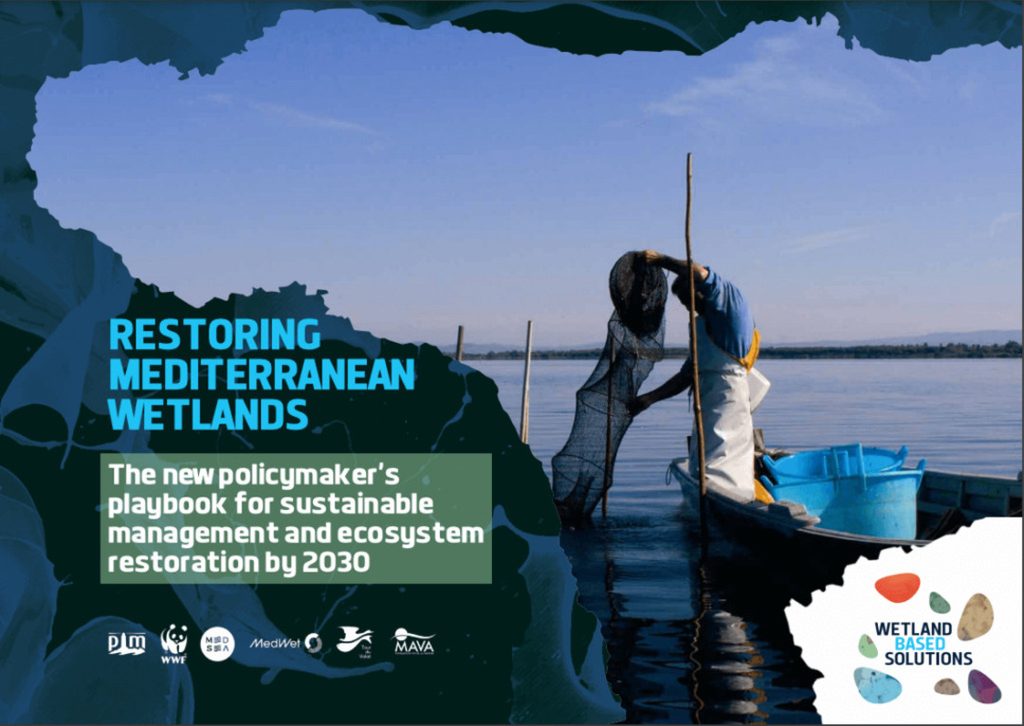
Decades of intensive nutrient inflows from surrounding intensive agriculture historically generated severe eutrophication in closed lagoons, triggering microalgal blooms and seasonal hypoxic events. To reverse this damage, regional conservation bodies have partnered with academic institutions and the Ministerio para la Transición Ecológica y el Reto Demográfico to construct green filters—engineered surface-flow artificial wetlands planted with common reed (Phragmites australis) and bulrush (Typha domingensis). As agricultural drain water flows through these dense vegetated corridors, natural biological processes absorb dissolved nitrates and phosphates before water enters primary open-water lagoons.
- Biofiltration Zones: Vegetated green filters eliminate up to 75% of nitrates and suspended solids from irrigation runoff prior to natural lagoon discharge.
- Ecological Flow Guarantees: Legally mandated base flows prevent riverbed desiccation throughout hot summer peak evaporation windows.
- Salinity Gradient Preservation: Controlled sluice gate management maintains delicate brackish balances necessary for juvenile estuarine ichthyofauna.
Climate Resilience Frameworks for River Basin Catchments
Climate change trends throughout Eastern Spain indicate rising average temperatures alongside increasingly violent convective storms known locally as the DANA (Depresión Aislada en Niveles Altos). These weather anomalies discharge hundreds of millimeters of precipitation in a matter of hours, overwhelming conventional urban storm culverts, washing topsoil into marine environments, and destroying civil infrastructure. Adapting to this climate reality requires restructuring regional flood control into modern nature-based solutions and distributed stormwater detention reservoirs.
Municipalities are gradually replacing impermeable asphalt and concrete ditches with permeable urban surfaces, sustainable urban drainage systems (SUDS), and constructed retention ponds. Rather than rushing untreated stormwater directly into coastal waters, these systems slow peak velocities, collect sediment, and permit controlled infiltration into underlying soils. Coupled with early-warning radar arrays and hydrological catchment models, regional planners can protect populated coastal communities without channelizing natural river corridors into ecological dead zones.
Empowering Local Water User Communities
Lasting hydrologic stability cannot be accomplished solely through engineering infrastructure; it demands active community participation and transparent water governance. For centuries, autonomous local irrigation councils—most famously symbolized by the historic Water Tribunal of Valencia—democratically resolved distribution disputes between agrarian communities. Modern water stewardship must inherit and adapt that institutional cooperation to encompass modern environmental realities.
Integrating agricultural cooperatives, industrial users, tourism operators, and conservation groups into joint water user boards ensures that allocation policies remain equitable and scientifically grounded. Digital metering and telemetry networks now provide mutual transparency, allowing local stakeholders to verify groundwater extraction rates and reservoir capacities in real time. By embedding ecological protection into local socio-economic planning, the Mediterranean Levante establishes an enduring framework where scarce water resources are managed not as a commodity to be depleted, but as an indispensable common heritage.